



There’s something deeply reassuring about flipping on the faucet and watching a steady stream of water pour out. It’s a little moment of trust. You don’t see what happens before it reaches your sink—you just hope it’s clean, safe, and maybe even good-tasting. But lately, more folks across upstate New York are starting to ask: “Do I really know what’s in my water?”
It’s a fair question.
Whether you’re living in a quiet Cortland cul-de-sac, tucked into a leafy corner of Auburn, or calling the streets of Utica home, your tap water might be coming from an entirely different source—and carrying its own unique set of challenges. Not all water is created equal. And truthfully? That’s kind of the point.
The Local Flavor of Water (Yes, Water Has a “Flavor”)
If you’ve ever noticed your water tasting a bit “earthy,” or maybe a little metallic after a heavy rain, you’re not imagining it. Each community’s water supply carries a fingerprint—its own blend of minerals, trace elements, and treatment methods.
That’s why Auburn water solutions have become such a valuable part of the local conversation. Auburn, with its proximity to Owasco Lake, depends on careful monitoring and seasonal adjustments. Algae blooms? Yep, they happen. And runoff from agricultural zones can complicate things fast. Local experts have their work cut out for them, tailoring filters, treatments, and even education efforts to help homeowners feel confident every time they fill a glass.
The good news? Auburn residents have options—whether it’s advanced filtration systems or whole-home softeners. You don’t need to accept “almost clean” when your health and home deserve more.
Small Towns, Big Water Challenges
Now, let’s talk Cortland.
With its mix of municipal and well water sources, Cortland homes are a perfect example of why one-size-fits-all water treatment doesn’t work. There’s too much variation. One neighborhood might be dealing with iron stains, another might have hard water problems, and someone just a few blocks over is struggling with an odd sulfur smell in the shower.
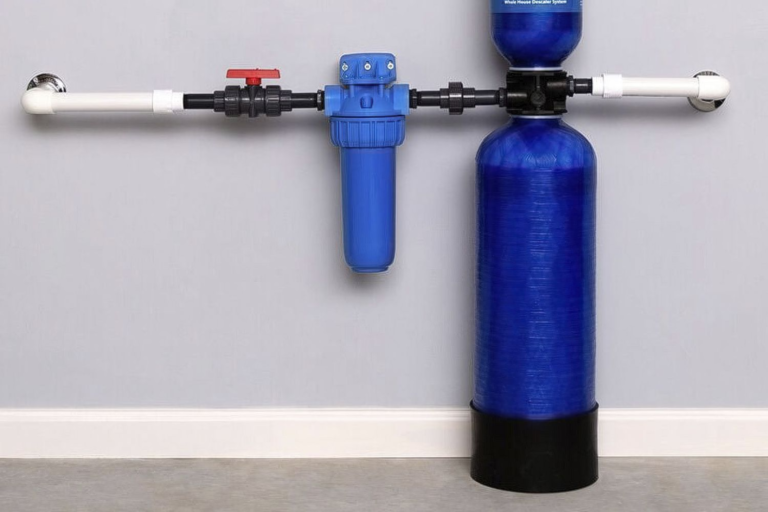
That’s why Cortland water treatment has to be just as adaptable as the community it serves. Sometimes the fix is as simple as a carbon filter. Other times, homeowners need a full-spectrum solution—iron filters, UV disinfection, and softeners working together. The key? Testing. If you don’t know what’s in your water, you can’t fix it. Luckily, local services know the area inside and out. They’ve seen it all—and they’ve probably solved the exact problem you’re dealing with, right down the street.
What’s Up in Utica?
Utica’s got its own unique story when it comes to water. Pulling primarily from the West Canada Creek, the system services a lot of people across a large region—and it does a decent job. But with older infrastructure in many areas, residents can run into trouble where the city’s responsibility ends and the homeowner’s begins.
That’s where Utica water systems come into play. Many locals are choosing to take matters into their own hands with home-based solutions. Maybe it’s to improve taste, maybe to filter out aging pipe residue, or just to soften hard water that’s been rough on appliances. Whatever the reason, more and more households are realizing that what’s technically “safe” isn’t always ideal.
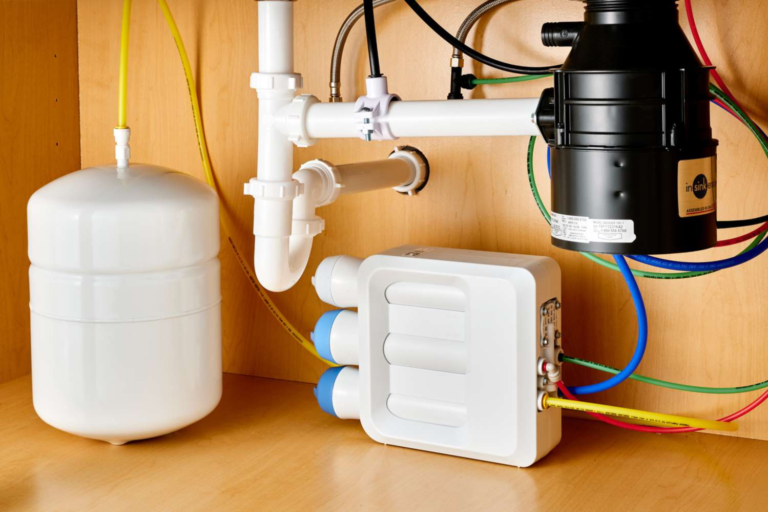
And here’s the real kicker: it doesn’t take a full renovation or a five-figure investment to get better water. Sometimes, a single under-sink filter or a whole-house softener can totally change the game.
Trust, But Verify (Especially When It’s Going Into Your Body)
Let’s be real—most people don’t test their water unless something feels off. A smell. A stain. A stomach issue that won’t quit. But the truth is, many issues build up slowly, quietly. And you won’t know what you’re dealing with until you test.
That’s why proactive homeowners across Auburn, Cortland, and Utica are getting ahead of the curve. A quick test, a smart consultation, and a tailored plan—it doesn’t just protect your family, it protects your pipes, your appliances, and maybe even your peace of mind.
Think of it like a tune-up. You don’t wait for your car to fall apart before you check the oil. Your water deserves the same care.
The Final Pour
Here’s the deal: local water systems are doing their best. But there’s only so much they can control—especially once that water leaves the plant and winds through miles of pipe before reaching your sink.
That’s why more people are turning to local solutions. Because nobody knows your water like someone who’s already helped your neighbor. Someone who understands what lake your water comes from, what minerals are common in your area, and what’s lurking in those aging service lines.
So take a second. Fill a glass. Taste it with fresh eyes, fresh intention. Then ask yourself: is this water good enough for my home?
If it’s not, you don’t have to settle.