

Let’s be honest—water is one of those things you don’t think about… until it’s weird.
You turn on the tap and expect clean, crisp water. Instead, you get something that smells funky, tastes off, or leaves white crusty stuff on your faucet. That’s when you pause, hold the glass up to the light, and start wondering what’s really in there.
And it’s frustrating, right? Because water is supposed to be the easy part. The given. You already pay your bills, maintain your home, deal with life—bad water shouldn’t be one more thing.
But sometimes, it is. So let’s talk about it.
When Water Stops Being Invisible
Most of us don’t give water a second thought. It’s just there—until it’s not right. Maybe your morning coffee tastes off. Maybe your shower leaves your skin itchy. Maybe your dishes never look quite clean. That’s your water experience talking.
And not in a good way.
See, water should be silent. Background. Invisible, even. But when it starts drawing attention to itself—through smell, taste, or residue—it’s telling you something’s wrong. Whether it’s excess minerals, bacteria, or leftover chemicals from the treatment plant, your water might be carrying a little more than just hydration.
The Usual Suspects Behind Water Problems
Let’s break it down. Most common water problems fall into a few familiar categories:
- Hardness: Caused by minerals like calcium and magnesium. Leads to scale buildup on appliances and that dry, squeaky skin feeling after showers.
- Smell: Often from sulfur, chlorine, or stagnant water in pipes. If it smells like rotten eggs or a swimming pool, you’ve got company.
- Taste: Metallic, bitter, or just… off. Sometimes it’s harmless, but it’s never pleasant.
- Discoloration: Brown or cloudy water is usually due to sediment or rusty pipes.
- Contaminants: From old infrastructure, agricultural runoff, or industrial residue—things like lead, PFAS, nitrates, and more.
It’s a longer list than most people expect. And each issue, while common, can show up in ways that feel pretty personal.
The Emotional Side of Dirty Water
You wouldn’t think water could mess with your mood. But it does. When you’re constantly questioning whether the water’s “okay,” it creates a low-level stress you might not even realize.
You avoid drinking from the tap. You use bottled water, even though it’s wasteful and annoying. You tell guests, “Oh, the water’s fine—it just smells a little.” (While secretly feeling embarrassed.)
Clean water shouldn’t be a luxury. But for some households, it feels like it is. And that disconnect—that gap between expectation and reality—can be exhausting.
Filters, Softeners & Solutions: A Toolkit for Cleaner Living
Here’s the upside: most water issues are fixable. And you don’t need to spend a fortune. It just starts with knowing what’s actually in your water.
Testing is the first step. You can get simple kits online or bring in a local expert. Once you have the data, you’ll know exactly what you’re dealing with—whether it’s excess chlorine, hard water, microbial contamination, or trace metals.
From there, you’ve got options:
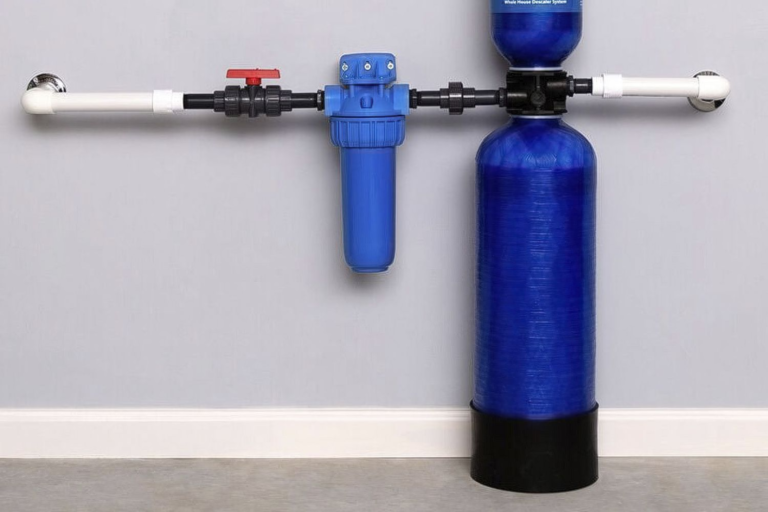
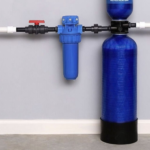
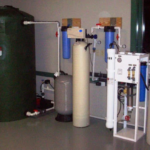
- Whole-house filtration systems for comprehensive purification.
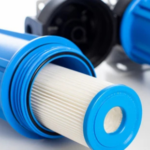
- Carbon filters to improve taste and remove chlorine or organic matter.
- Water softeners to tackle mineral buildup and protect plumbing.
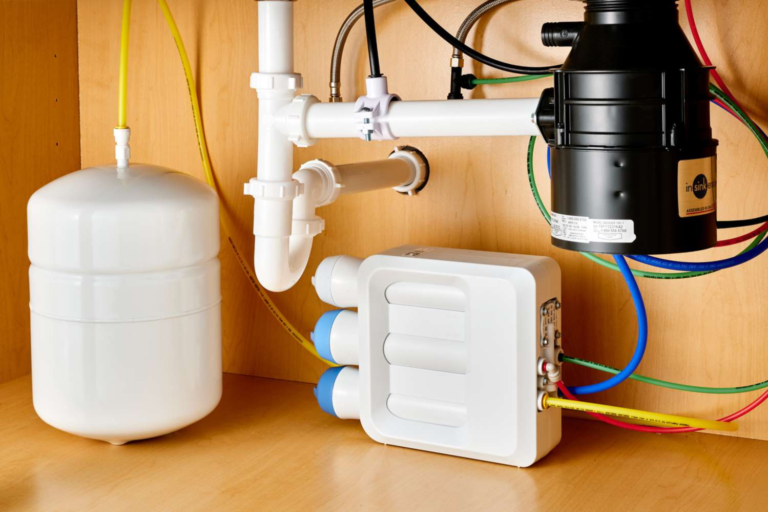
- Reverse osmosis systems for next-level purification—removing nearly everything but pure H₂O.
The end goal? Cleaner water that feels safe, tastes great, and flows like it’s supposed to.
It’s Not Just About Drinking
One of the biggest misconceptions people have is that water quality only matters when you’re drinking it. But the truth is, poor water affects your entire lifestyle.
Hard water wears down your appliances. Soap doesn’t lather right, so you use more shampoo, more detergent, more cleaning products. And your clothes fade faster in the wash.
Even your plants—yes, your leafy green friends—can suffer from excess chlorine or minerals.
Water quality touches everything. So when you fix the issue, the benefits ripple out in every direction.
The Hidden Costs of Ignoring It
It’s easy to delay dealing with water problems. But long-term? The cost adds up.
Think about it:
- Shorter lifespan for dishwashers, washing machines, and water heaters
- Higher energy bills (hard water makes appliances work harder)
- More money spent on bottled water or temporary fixes
- Ongoing discomfort, doubt, and that lingering “what’s wrong with the water?” feeling
Small problems compound. That’s why early action is usually cheaper and less stressful than waiting for a full-blown breakdown.
Your Water, Your Call
At the end of the day, the water in your home should meet your standards—not just the legal minimum. If something feels off, you’re allowed to trust your gut.
That doesn’t make you picky. It makes you practical.
You don’t need to be a chemist to want better water. You just need to listen—to your senses, your instincts, and sometimes your plumbing.
Start with testing. Explore your options. Make a change. Because honestly? Peace of mind should be part of every sip, shower, and scrub.
Final Thoughts: Reclaiming the Flow
Water is life, right? But only if it feels like it.
A good water experience isn’t fancy. It’s not flashy. It’s just… right. Clean, smooth, quiet.
And when you fix what’s wrong, it’s not just your glass that feels lighter. You do too.