

There’s something sacred about a glass of cold water—especially when it’s crystal clear, odorless, and tastes just right. But here’s the thing: not all water is created equal. And for many households, what flows from the tap might not be as clean or as safe as it looks.
We live in an age where we monitor our steps, track our sleep, and count every macro we eat. So why are we still guessing about the most essential thing we consume every single day?
Let’s talk about why it’s time to get serious about water monitoring systems—and how they’re quietly transforming how families take control of what they drink.
The Silent Problem in Your Pipes
Water issues don’t always announce themselves with a smell or a murky color. Sometimes the danger is invisible—like high levels of lead, nitrates, or bacteria. These things can be lurking in your pipes, your well, or even in your city’s municipal supply.
You’d be surprised how many households pour a glass, boil some pasta, or brew their morning coffee without knowing what’s really in their water. And if you’ve ever noticed strange tastes, dry skin after a shower, or unexplained appliance damage, your water could be the silent culprit.
Why Monitoring Beats Guesswork
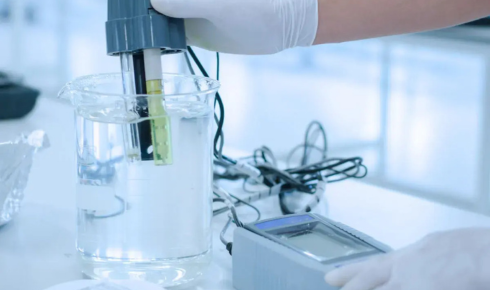
Gone are the days of sending water samples to a lab and waiting weeks for results. Today’s smart water monitoring systems work in real time. That’s right—you can now track pH, chlorine, hardness, and contaminant levels from your phone.
These systems give you immediate insights, letting you know if your water is too acidic, too hard, or contains something you really don’t want in your body. Think of it like a fitness tracker for your water—quietly working behind the scenes to keep your home healthy.
And let’s be honest: there’s peace of mind in knowing what you’re drinking every day. You wouldn’t eat food without checking its freshness—so why drink water without checking its quality?
Clean Water Isn’t a Luxury—It’s a Right
We talk a lot about health—greens, workouts, superfoods. But all of that means little if the water we use to cook, clean, and hydrate isn’t safe. Everyone deserves access to clean drinking water, but the reality is, the path to that goal often starts at home.
Monitoring helps catch problems before they become crises. It’s especially important for families with children, elderly members, or anyone with health sensitivities. Water isn’t just a thirst quencher—it’s a vital building block of health.
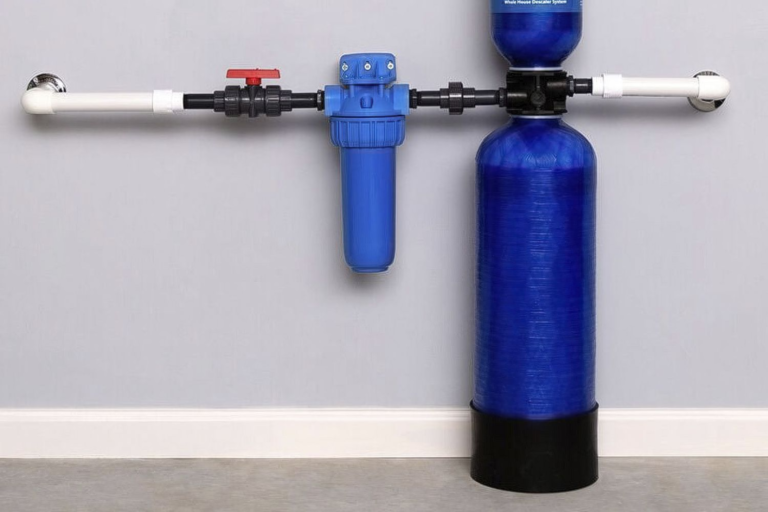
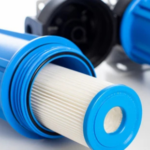
And if you’re relying on filters or softeners, monitoring helps ensure they’re doing their job. It’s like having a watchdog on your plumbing.
The Emotional Side of Safe Water
There’s something primal about knowing your water is clean. It’s a kind of comfort you feel in your gut—like locking the front door or hearing the hum of a fridge at night. It makes you feel safe, grounded.
For parents, it’s knowing your kid’s sippy cup is filled with water you trust. For homeowners, it’s protecting your pipes and appliances from corrosion and damage. For everyone, it’s that tiny relief that one less thing in life needs worrying about.
Better Homes Start With Better Water
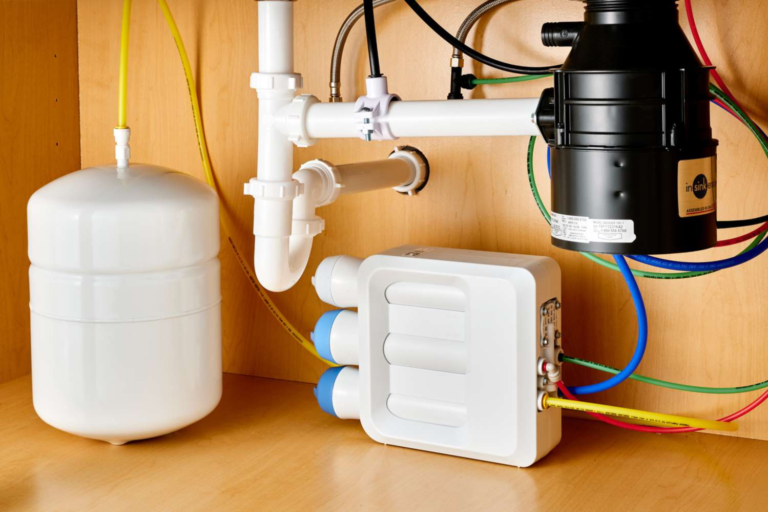
You don’t need to overhaul your plumbing or install some complicated contraption. Today’s water solutions are sleek, user-friendly, and designed with everyday folks in mind. Many are DIY-friendly, while others can be professionally installed in a couple of hours.
And honestly? If you’re already investing in smart thermostats or security cameras, why not take the same approach to the water you live with?
Better water for home doesn’t just mean safety—it means taste, softness, and even savings on plumbing repairs or appliance replacements. Hard water and chemical-heavy supplies wear down washers, coffee makers, and dishwashers over time. That upgrade you’ve been dreaming of? It might last a whole lot longer with better water flowing through it.
The Real Cost of Ignoring It
Look, there’s no shame in not knowing what’s in your water. Most people don’t. But once you do… it’s hard to un-know.
Sudden repairs, stained laundry, chronic dryness, or that slight metallic taste in your tap—all signs you’ve got something going on under the surface. And trust me, it’s always cheaper to test and treat early than to repair and regret later.
Water monitoring gives you the power to act fast, whether it’s swapping out a filter, adjusting a softener, or calling in a professional. It puts you in control instead of just reacting to problems as they show up.
Final Thoughts: It’s Time to Get Curious
You don’t need to be a scientist to care about water quality. You just need to be a little curious. Ask questions. Check readings. Learn what your water is trying to tell you.
Because at the end of the day, we don’t just drink water—we trust it. It touches every corner of our home, from the glass on the table to the steam in the shower. And like anything worth caring about, it deserves our attention.
So, take a moment. Pour yourself a glass. And think about what’s really in there—and what could be, if you decided to make a change.