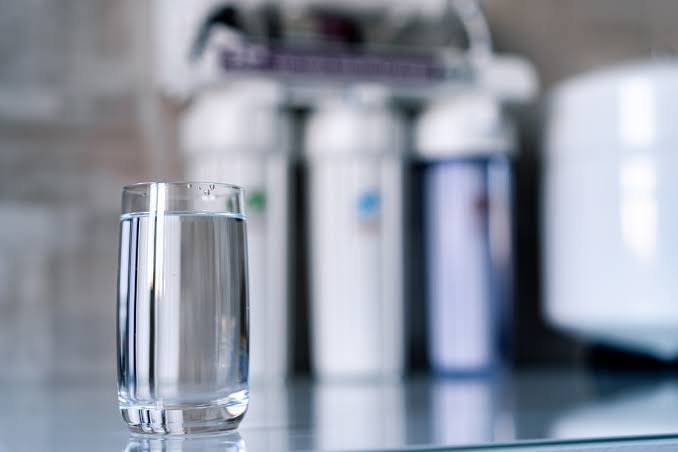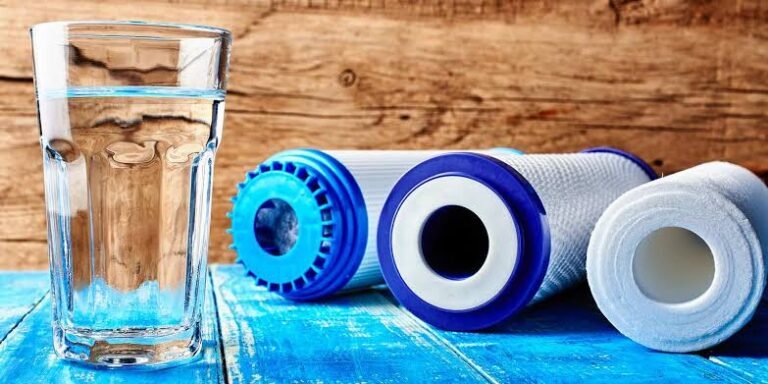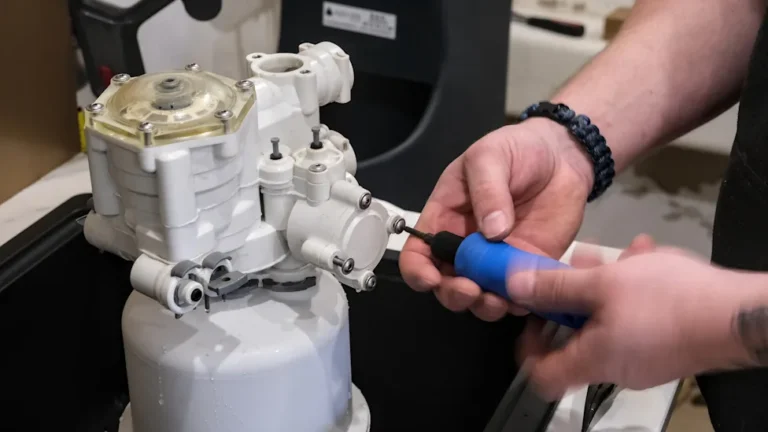





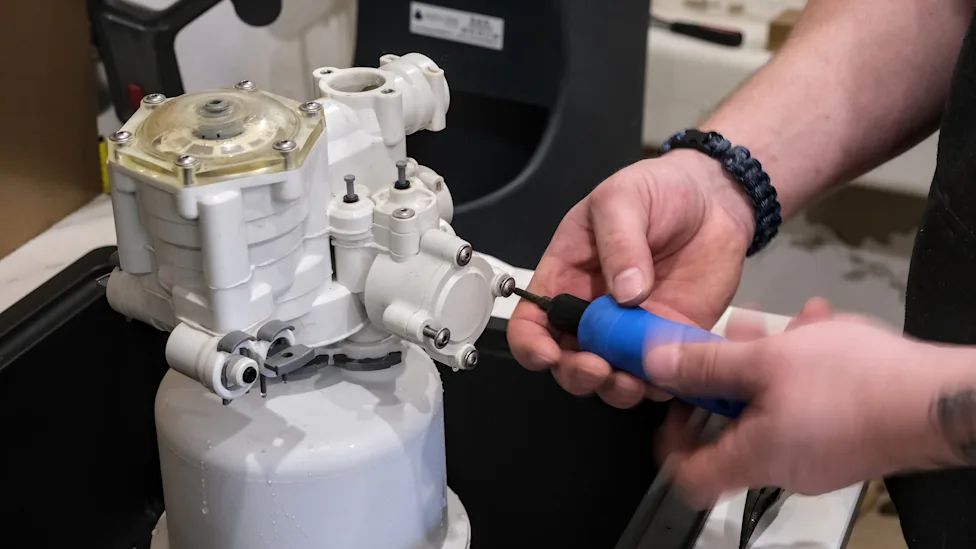
Water has a funny way of blending into the background. We expect it to flow, clean, rinse, cook, and hydrate without asking for much in return. Most days, it does exactly that. But every once in a while, your home starts dropping subtle hints that something has changed. Maybe your shower door develops stubborn white spots, your coffee tastes a little off, or your favorite sweater doesn’t feel quite as soft after washing.
Those little clues are easy to ignore because they don’t arrive all at once. Instead, they quietly build over time until one day you realize you’ve been scrubbing faucets far more often than you used to.
The good news is that many household water issues have straightforward explanations—and even better, practical solutions.
Water Is Different in Every Home
People often assume everyone in the same town has identical water, but that’s rarely true.
Even homes connected to the same municipal supply can experience different conditions because plumbing materials, neighborhood infrastructure, and household water usage vary. Families using private wells encounter even more differences, as groundwater naturally changes with rainfall, seasonal conditions, and local geology.
That’s why one homeowner may notice spotless dishes while another constantly battles mineral residue.
Understanding your own water is far more useful than comparing it to someone else’s experience.
What Makes Hard Water So Common?
One of the most widespread household water issues is hard water.
As groundwater travels through layers of limestone and mineral-rich rock, it naturally dissolves calcium and magnesium. Those minerals eventually reach homes through municipal systems or private wells, influencing the way water behaves every day.
The minerals themselves aren’t usually harmful to drink, but they can leave behind stubborn deposits on faucets, showerheads, dishes, and inside household appliances.
Because these effects develop gradually, many families assume they’re simply part of normal homeownership.
In reality, they’re often signs that the water contains higher-than-average mineral levels.
Everyday Signs You Shouldn’t Ignore
Water problems don’t usually appear as one dramatic event.
Instead, they show up through small frustrations.
Soap refuses to lather properly. Shampoo takes longer to rinse away. Glassware comes out cloudy after washing, and white residue keeps returning no matter how often you clean the bathroom.
Even your water heater or coffee maker may need maintenance more frequently because mineral deposits slowly accumulate inside equipment over time.
When several of these symptoms appear together, your water is often trying to tell you something.
Why a Water Softener System Can Make Everyday Life Easier
For homes dealing with excessive mineral content, installing a water softener system often transforms daily routines in ways people don’t expect.
Rather than simply filtering water, softeners reduce the calcium and magnesium responsible for many hard water problems. As a result, soap performs more effectively, showers feel more comfortable, laundry often comes out softer, and appliances experience less scale buildup.
The improvements aren’t flashy.
They’re simply noticeable every single day.
Many homeowners say they don’t fully appreciate softened water until they spend time living with it.
After that, going back becomes surprisingly difficult.
Better Water Benefits More Than Drinking
When people hear the phrase “water treatment,” they usually think about drinking water.
Yet water touches nearly every part of your home.
Dishwashers, washing machines, refrigerators, water heaters, coffee makers, showers, sinks, and even your plumbing system depend on consistent water quality.
Improving water throughout the home often reduces cleaning time, protects expensive appliances, and makes routine household chores noticeably easier.
That’s why many homeowners consider water treatment an investment in comfort as much as convenience.
Testing Before Buying Equipment Makes Sense
One of the biggest mistakes homeowners make is purchasing treatment equipment based solely on internet reviews or advertisements.
Every home’s water is different.
The filtration system that solves one family’s problem may do very little for another because mineral content, pH levels, iron, chlorine, sediment, and other characteristics vary considerably.
Professional testing removes the guesswork and helps identify the actual source of the issue before money is spent on equipment.
That personalized approach almost always produces better long-term results.
Why a Free Water Test Is Worth Considering
If you’ve noticed stains, unusual tastes, mineral deposits, or changing water conditions, scheduling a free water test can provide valuable peace of mind.
Testing measures important characteristics like hardness, mineral levels, pH balance, iron, chlorine, sediment, and other naturally occurring compounds that influence household water.
Instead of making assumptions, homeowners receive information based on actual measurements.
Those results make choosing the right treatment solution much simpler—and often prevent unnecessary purchases.
Knowledge is almost always the first step toward better water.
Small Improvements Add Up Over Time
Many of the benefits associated with improved water aren’t dramatic overnight transformations.
Instead, they appear gradually.
Your dishes stay cleaner. Towels feel softer. Soap works more efficiently. Showers become more enjoyable, and appliances operate with fewer mineral-related issues.
These changes may seem modest individually, but together they create a home that’s easier to maintain and more pleasant to live in.
It’s amazing how much difference good water can make without demanding constant attention.
Better Water Supports a Better Home
Every homeowner invests time and money into creating a comfortable place to live.
Fresh paint, modern appliances, landscaping, and updated flooring all contribute to that goal. Yet water quietly interacts with every one of those improvements every single day.
When your home’s water works with you instead of against you, ordinary routines become just a little easier. Cleaning feels less frustrating, cooking becomes more enjoyable, and household systems often perform more efficiently for years to come.
Sometimes the smartest home improvement isn’t the most visible one.
It’s the improvement flowing through every faucet, every shower, every load of laundry, and every meal you prepare—making everyday life a little simpler, one drop at a time.