Water feels simple. Turn on the tap, fill a glass, and drink. It is such a normal part of everyday life that most people rarely stop to think about what might be traveling through those pipes before reaching their kitchen faucet. Clear water does not always mean pure water, and small invisible issues can sometimes create bigger problems over time.
From old plumbing systems to natural minerals found underground, many factors can influence what ends up in household water. Thankfully, modern solutions make it easier for families to improve their water at home. Understanding the sources of impurities and how filtration works is the first step toward making better choices.
What Can Affect the Water Coming Into Your Home?
Water goes through a long journey before it reaches your glass. It may pass through treatment facilities, storage tanks, underground pipes, and household plumbing. Along the way, different substances can enter the supply.
Some concerns are naturally occurring, while others come from human activity. For example, minerals from rocks can dissolve into groundwater, while aging pipes may introduce metals or sediment into the water stream.
The term water contaminants covers a wide range of unwanted substances that can affect water’s taste, appearance, and usability. These may include chlorine, lead, bacteria, pesticides, sediments, and other materials depending on where the water comes from.
Not every contaminant creates an immediate concern, but regular exposure to certain substances is something homeowners often want to avoid. This is why testing your water can be a smart move before choosing any treatment option.
Why Clear Water Does Not Always Mean Clean Water
One of the biggest misconceptions about household water is that visual appearance tells the complete story. If water looks clear, many people assume there is nothing to worry about. Unfortunately, several impurities cannot be seen with the naked eye.
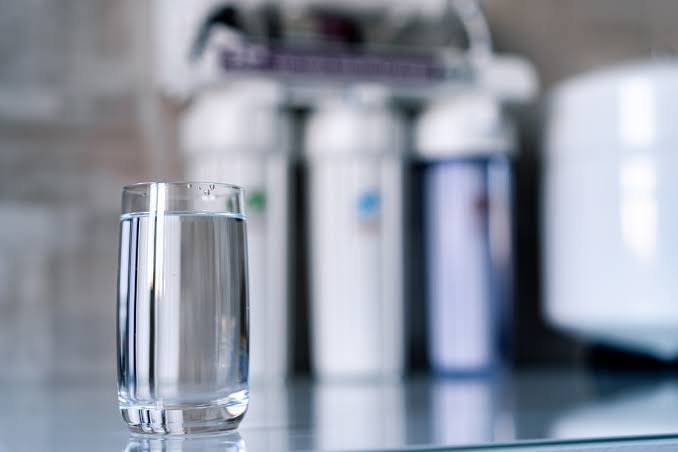
A glass of water may appear perfectly normal while still containing unwanted chemicals or dissolved minerals. Even changes in taste or smell can sometimes indicate that something has changed in your water supply.
For example, a metallic taste could point toward mineral or pipe-related issues. A chlorine smell may come from the disinfection process used by municipal suppliers. A rotten egg odor could indicate the presence of sulfur compounds in some groundwater sources.
These signs do not automatically mean your water is unsafe, but they are good reasons to investigate further. Knowing what is actually in your water allows you to choose a solution based on facts rather than guesswork.
How Filtration Systems Help Improve Home Water
Over the years, water treatment technology has become more advanced and accessible. Today’s filtration systems are designed to target specific problems instead of using a one-size-fits-all approach.
Some systems focus on removing sediment and particles, while others are designed to reduce chlorine, heavy metals, or other unwanted elements. There are also advanced options that combine multiple filtration stages for more complete treatment.
A common setup may include a sediment filter as the first step, followed by activated carbon filtration and additional purification stages. Each layer has a specific purpose. The result is better-tasting water and improved confidence in what your family is using every day.
Whole-house systems are especially useful for homeowners who want treated water throughout the property, not just at one kitchen faucet. They can help protect appliances, plumbing fixtures, and provide a more consistent water experience.
Finding the Right Filtration Approach for Your Needs
Choosing a filtration system should begin with understanding your water source. A home connected to city water may have different concerns compared to a property using a private well.
Water testing provides valuable information about hardness levels, mineral content, and possible contaminants. Once you know what needs to be addressed, selecting the right equipment becomes much easier.
Some households only need a basic filter for taste improvement, while others may require a more complete solution. Factors like family size, daily water usage, and maintenance preferences also matter.
A good filtration setup is not necessarily the one with the most features. It is the one that solves your specific problems without unnecessary complexity.
The Everyday Benefits of Better Water
Many people notice improvements after installing a suitable filtration system in small but meaningful ways. Coffee may taste smoother. Cooking water may feel cleaner. Faucets and sinks may have fewer mineral marks.
The biggest advantage is often peace of mind. Knowing that your family has access to better-treated water can make daily routines feel a little easier.
Clean water also supports healthier habits. When drinking water tastes fresh, people are often more likely to choose it over sugary beverages or bottled alternatives. This simple change can have a positive impact on everyday wellness.
Protecting Your Home With Smarter Water Choices
Water treatment is not only about drinking. The quality of your water can influence your entire household. Hard minerals can build up inside appliances, while sediment can affect plumbing performance over time.
Regular maintenance, timely filter replacement, and occasional water testing help ensure your system continues working properly. Like any home investment, a filtration system performs best when it receives proper care.
For many families, investing in clean drinking water is about creating a safer and more comfortable living environment. It is not about chasing perfection; it is about making practical improvements that support everyday life.
A Better Approach to Water Starts With Awareness
Water is one of the most important resources in any home, yet it is often overlooked until a problem appears. Taking time to understand what is in your water and how filtration works can prevent future frustration.
The right solution depends on your unique situation. Whether you need simple taste improvement or advanced purification, learning about available options helps you make a confident decision.
Better water does not have to be complicated. With proper testing, the right filtration approach, and regular maintenance, homeowners can enjoy fresher, cleaner water and greater peace of mind every day.