Most homeowners don’t spend much time thinking about their water treatment system when everything is working properly. The water tastes fine, the shower runs smoothly, and there’s no stubborn scale building up around the kitchen faucet. It’s easy to forget that the equipment behind those everyday comforts needs attention, too.
Like any household system, water treatment equipment gradually experiences wear. Filters collect particles, softeners use up their regeneration capacity, and small plumbing issues can develop without much warning. Regular care helps keep everything working as intended and makes it easier to catch problems before they become expensive repairs.
Why Routine Care Matters More Than You Might Think
A water treatment system is only useful when it performs the job it was designed to do. A filter that has reached the end of its service life may no longer reduce the substances listed in its performance claims. A softener that isn’t regenerating correctly can allow hardness minerals to pass through, leaving deposits on fixtures and appliances.
These changes don’t always happen overnight. Sometimes the first sign is a subtle difference in taste. Other times, water pressure begins to drop, soap becomes harder to rinse away, or scale slowly returns to the showerhead. Because these symptoms can have several causes, it’s worth investigating rather than immediately replacing equipment.
Following the manufacturer’s recommended maintenance schedule is a sensible starting point. The frequency of servicing depends on the technology, water quality, and how much water the household uses. A busy family may go through filter cartridges faster than a couple living in a smaller home.
Routine attention can also help extend the useful life of equipment. Replacing a cartridge at the right time is generally easier than dealing with a system that has been neglected for months.
Keep Filters and Replacement Parts on Schedule
Filters are often the most familiar part of a water treatment system, but they aren’t all designed to do the same thing. Sediment filters capture particles, activated carbon reduces certain tastes and odors, and specialized media may target particular substances. Each type has its own service requirements.
Check the manufacturer’s instructions for replacement intervals, and don’t rely entirely on appearance. Some exhausted filters look reasonably clean even when their ability to reduce targeted substances has declined. Others collect enough material to affect water flow before the recommended replacement date.
It helps to keep a simple maintenance record. Write down the installation date, the type of cartridge used, and when it should be changed. If the system has several stages, label them clearly so you know which part needs attention. This small habit can prevent missed replacements, particularly when different components follow different schedules.
When buying replacement parts, confirm that they’re compatible with the system. A cartridge that looks similar may not fit correctly or provide the same verified performance. If you’re unsure, check the model number or ask the manufacturer or installer for guidance.
Understand Salt Needs and Softener Performance
Water softeners require a slightly different kind of attention from ordinary filtration systems. Traditional ion-exchange units use resin to exchange hardness minerals, such as calcium and magnesium, for other ions. The resin periodically regenerates so it can continue treating water effectively.
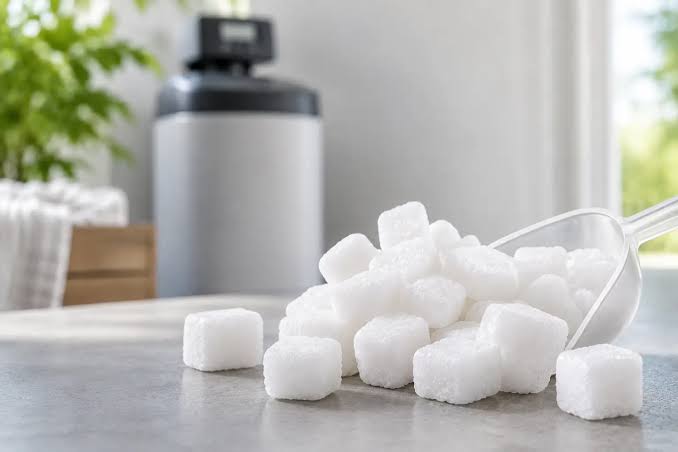
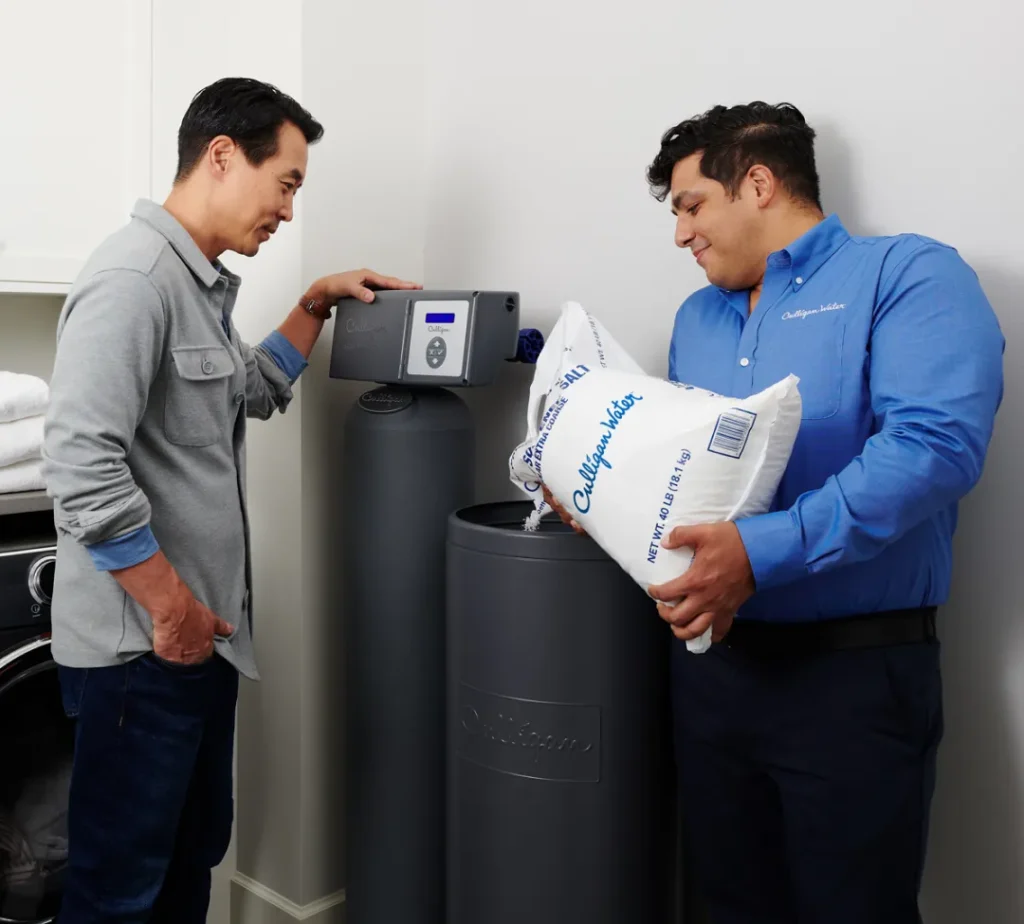
For households using this type of equipment, salt delivery can make routine upkeep more convenient. Keeping an adequate supply of the salt specified by the manufacturer helps prevent the softener from running short during its regeneration cycle. The amount required depends on the unit’s settings, water hardness, and household demand, so there isn’t one universal refill schedule.
Check the brine tank periodically and follow the manufacturer’s instructions about salt level and cleaning. Avoid adding products that aren’t recommended for your model. If the tank develops a salt bridge or the system appears to be using too much salt, consult the manual or contact a qualified technician instead of repeatedly adjusting the settings at random.
Also pay attention to signs that hardness may be returning. White scale on fixtures, spots on glassware, or soap that behaves differently can indicate a problem, although these symptoms aren’t conclusive on their own. A water test can help determine whether the softener is working as expected.
Don’t Ignore Small Changes in Water Quality
People often notice a problem only when it affects an everyday routine. Perhaps the water develops a different taste, the pressure drops at one faucet, or an unfamiliar odor appears. These changes don’t automatically mean the treatment system has failed, but they deserve attention.
Start by noting when the change began and whether it affects every tap or only one. A problem limited to a single faucet could involve the fixture or nearby plumbing rather than the main treatment equipment. If the change occurs throughout the home, the water supply, filter condition, or treatment settings may need to be checked.
If you suspect contamination or notice a sudden change in color, odor, or taste, don’t assume that replacing a filter will solve it. Contact your water supplier when appropriate and arrange testing suited to the concern. For private wells, follow local guidance on testing and seek qualified help when results indicate a possible health risk.
Keeping records of test results can be useful, too. They provide a baseline for comparison and may help a technician identify changes that would otherwise be difficult to trace.
When Professional Maintenance Makes Sense
Some tasks are straightforward enough for homeowners to manage, such as checking a filter-change date or looking for visible leaks around accessible connections. Other work requires specialist knowledge, especially when it involves electrical components, control valves, pressure settings, disinfection equipment, or changes to plumbing.
Professional maintenance and service can help identify issues that aren’t obvious during a quick visual check. A technician may inspect connections, review system settings, confirm that regeneration cycles are operating properly, and assess whether replacement parts are needed. The exact service should match the equipment rather than follow a generic checklist.
Before booking a visit, describe the symptoms you’ve noticed and provide the system’s make and model if possible. Mention recent repairs, changes in water use, or any new taste, odor, or pressure concerns. That information can make the appointment more productive.
Ask what the visit includes, whether parts and labor are charged separately, and whether any recommended repairs are urgent or can be planned for later. A clear explanation helps you understand the work being proposed and avoid paying for services that don’t address the actual issue.
Choosing Help You Can Trust
Finding someone to maintain water treatment equipment shouldn’t feel like another complicated home project. Look for providers who explain their recommendations clearly, answer questions without pressure, and can describe the purpose and limitations of the equipment they service.
Experienced local water treatment experts may be familiar with common water conditions in the surrounding area, which can be useful when deciding what to test or investigate. Still, local familiarity should complement reliable measurements, not replace them. Recommendations should be based on the system, the water source, and the specific concern rather than assumptions about every home in the neighborhood.
It is reasonable to request a written estimate before approving work. Check what’s included, ask about replacement parts, and keep a record of completed service. If a recommendation seems excessive or isn’t clearly explained, taking time to seek another opinion is perfectly sensible.
Build a Maintenance Routine That Fits Real Life
Water treatment upkeep doesn’t need to take over your calendar. Set reminders for filter changes, inspect accessible equipment occasionally, and follow the manufacturer’s service guidance. If your household uses a softener, keep track of salt levels and watch for changes that might suggest reduced performance.
Most importantly, don’t wait for a minor issue to become a major disruption. Regular care, appropriate testing, and timely repairs can help protect your investment and keep daily water use comfortable.
The best maintenance plan is one you can realistically follow. With a little organization and the right support when needed, your water treatment system can remain a dependable part of your home rather than something you only think about when a problem appears.