It’s easy to forget about a water treatment system when it quietly does its job every day. You turn on the shower, fill a glass at the kitchen sink, or run a load of laundry without giving the equipment behind the scenes much thought. Then, one morning, the water pressure drops, mineral deposits start returning, or the softener runs out of salt at the worst possible time.
These situations are frustrating, but many can be avoided with a bit of planning. Water treatment equipment isn’t usually complicated to live with, although it does need attention from time to time. Understanding the basics of maintenance, knowing when to call for service, and keeping an eye on changing household needs can make a real difference.
Why Routine Maintenance Matters
Every water treatment system has components that gradually wear out or lose effectiveness. Filters collect particles, carbon media has a limited capacity, and softeners need their regeneration process to work correctly. Even durable equipment can develop leaks, blocked connections, or control problems as the years pass.
Regular preventative maintenance helps identify these issues before they become disruptive. A routine inspection may reveal a small leak around a fitting, a filter nearing the end of its service life, or a softener that isn’t regenerating as expected. Catching these problems early can reduce the risk of water damage and help prevent unnecessary strain on other components.
Maintenance also helps you understand whether the system is still meeting your needs. If your household has grown, water usage has increased, or the source water has changed, the original setup may no longer be ideal. A periodic review gives you a chance to address those changes before they become everyday inconveniences.
The right schedule depends on the equipment, water conditions, and manufacturer’s instructions. Some tasks are simple enough for homeowners, while others require a trained technician. Knowing the difference is part of responsible ownership.
Recognize the Early Warning Signs
Water systems often provide clues when something isn’t right. A softener may stop controlling hardness effectively, leaving white deposits on shower screens and faucets. A filter may become clogged, reducing flow at the kitchen tap. A reverse osmosis system might take longer to fill its storage tank or produce water with a noticeable change in taste.
None of these symptoms automatically identifies the cause. Reduced pressure, for example, could come from a clogged cartridge, a plumbing restriction, or another issue elsewhere in the house. Testing and inspection can help narrow down the possibilities.
It helps to keep a simple record of changes. Note when a problem first appeared, whether it affects every tap or only one, and whether it started after maintenance or plumbing work. These details may seem minor, but they can make a service visit more productive.
If you notice a sudden change in colour, smell, or taste, don’t assume that replacing a filter will solve it. Investigate the source of the change and arrange appropriate water testing when necessary, particularly if you suspect a health-related concern.
Know When Your Equipment Needs an Upgrade
Water treatment technology continues to develop, and an older system may not always offer the performance, convenience, or efficiency you need. That doesn’t mean you should replace equipment simply because a newer model is available. If the current system works properly and meets your needs, continued maintenance may be the sensible choice.
However, repeated repairs, limited capacity, obsolete parts, or changes in water quality can make system upgrades worth considering. A household that has added another bathroom, for instance, may need a softener with a higher capacity. Someone who wants to improve drinking-water taste might benefit from a dedicated point-of-use filter rather than changing the entire house’s treatment setup.
Before investing in new equipment, review the original water test and consider whether another test is needed. Different technologies address different concerns. A softener primarily reduces hardness minerals, while activated carbon can reduce certain tastes, odors, and selected compounds. Reverse osmosis can reduce many dissolved substances when the particular system is designed and certified for them.
Ask a qualified provider to explain the expected benefits, limitations, installation requirements, and ongoing costs. A clear comparison of repair and replacement options can help you make a decision without feeling rushed.
Don’t Let Salt Supply Become an Afterthought
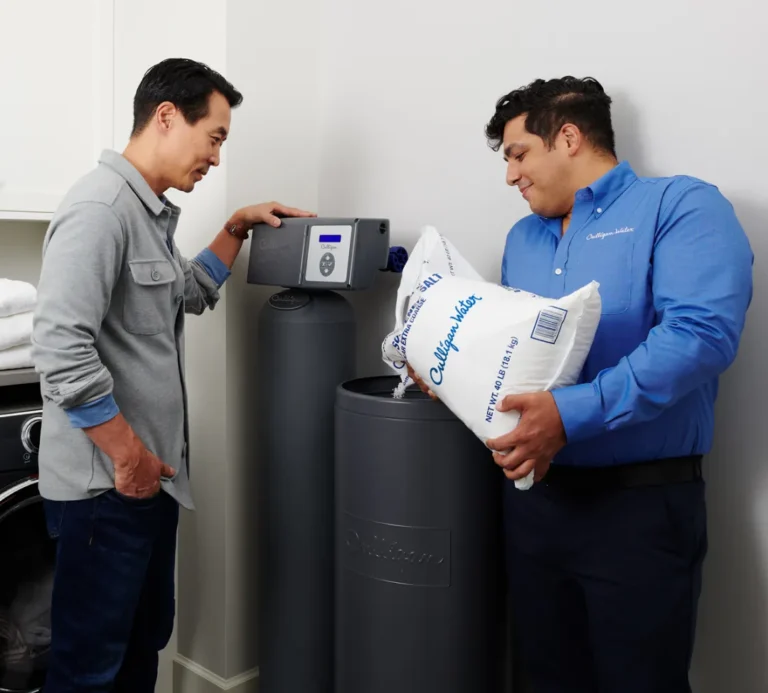
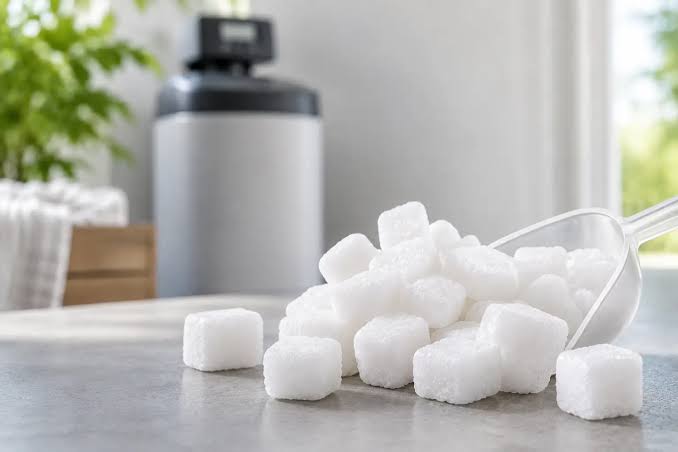
For households with conventional salt-based water softeners, one of the simplest maintenance tasks is making sure the unit has an adequate supply of suitable salt. The softener uses salt during regeneration to restore the capacity of its ion-exchange resin. If the supply runs low, the system may eventually lose its ability to manage hardness as intended.
Regular salt delivery can be convenient for busy households, especially when the softener is used heavily or the salt bags are difficult to carry. Some suppliers offer scheduled deliveries, while others allow customers to order when their supply begins to run low. The right arrangement depends on how much water your household uses and how often the unit regenerates.
Check the salt level according to the manufacturer’s guidance, and avoid filling the brine tank beyond the recommended level. It’s also worth inspecting the tank occasionally for salt bridges or buildup that could interfere with normal operation. If the unit continues to produce hard water despite having enough salt, the problem may involve the settings, resin, or another component rather than the salt supply itself.
Remember that not every treatment system uses salt. Reverse osmosis filters and many carbon filtration systems have different maintenance requirements, so follow the instructions for the specific equipment installed in your home.
Build a Maintenance Routine That Fits Real Life
A maintenance plan doesn’t need to be elaborate. In fact, a short checklist is often more useful than a complicated schedule that nobody remembers to follow.
Start by recording the installation date, filter replacement intervals, and any recommended service visits. Set reminders for routine checks, and keep compatible replacement parts or supplies easy to locate. If your system includes a storage tank, dispenser, or additional treatment stage, make sure those components are cleaned or serviced as instructed.
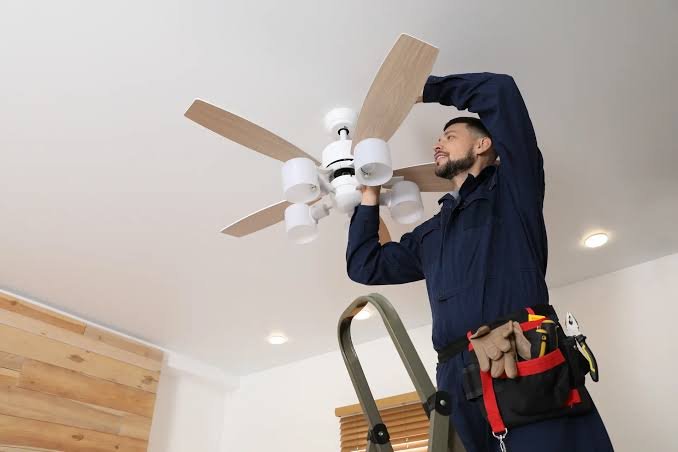
You should also know which tasks are safe to perform yourself. Checking a salt level or looking for visible leaks is generally straightforward. Opening pressurized housings, adjusting electrical controls, or dismantling valves may require professional assistance. When in doubt, consult the manufacturer’s guidance or a qualified technician rather than risking damage.
For private wells, follow local recommendations for testing and arrange additional checks after flooding, well repairs, or noticeable changes in the water. Municipal water customers can review their supplier’s water-quality reports while remembering that plumbing inside the home may still affect what reaches individual taps.
Choose Service That Gives You Clear Answers
When professional maintenance is needed, look for a provider who explains the work rather than simply recommending a long list of replacements. Ask what was inspected, which parts need attention, and why the proposed service is necessary. A written estimate should make it clear what is included and whether any additional work might be required.
It is also sensible to ask about warranties, replacement-part availability, and the expected service life of major components. Keeping records of repairs helps identify recurring problems and gives technicians a clearer picture of the equipment’s history.
Good service should leave you feeling informed. You should understand what has been done, what to watch for, and when the next check is due.
Keep Your Water System Ready for Everyday Use
A reliable water treatment system doesn’t need constant attention, but it shouldn’t be ignored either. Routine checks, timely filter changes, adequate supplies, and occasional professional inspections can help keep the equipment performing as intended.
The goal isn’t to spend money on every new product or replace a working system unnecessarily. It’s to respond to real needs, address small problems before they grow, and make decisions based on useful information.
With a maintenance routine that fits your household, water treatment can remain what it should be: a dependable part of daily life, working quietly in the background while you get on with everything else.