Clean Water Doesn’t Happen by Chance
We tend to take clean water for granted. Turn on the faucet, fill a glass, start the dishwasher—it’s all so routine that we rarely stop to think about what happens before the water reaches us. Behind that simplicity is an impressive network of equipment, maintenance, and careful planning that keeps water safe for homes, businesses, and industries alike.
Whether it’s a municipal treatment plant supplying an entire city or a manufacturing facility maintaining strict production standards, every system depends on reliable equipment and consistent performance. When one component fails, the effects often ripple throughout the entire process.
That’s why successful water treatment isn’t built around one machine or one technology. It’s built around a collection of dependable parts working together, day after day, often without anyone noticing.
Reliability Begins with the Right Components
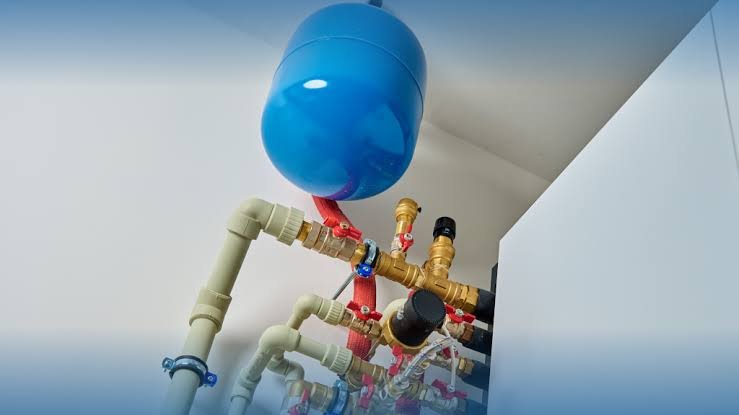
Even the most advanced treatment system is only as dependable as the equipment supporting it. Pumps, valves, pressure gauges, membranes, sensors, filters, and fittings each have a specific role to play. Remove one piece from the puzzle, and efficiency can quickly decline.
Choosing high-quality water treatment parts isn’t simply about replacing worn equipment. It’s about protecting the entire investment. Durable components reduce unexpected downtime, improve operational consistency, and help extend the lifespan of larger systems that cost far more to repair or replace.
Experienced operators often say the same thing: preventative maintenance is much cheaper than emergency repairs. It’s a simple lesson, but one that’s proven true over and over again.
Every Water Source Has Its Own Challenges
No two water supplies are exactly alike. Groundwater may contain excess minerals, while surface water often carries suspended solids, organic matter, or seasonal contaminants. Industrial wastewater introduces another level of complexity entirely.
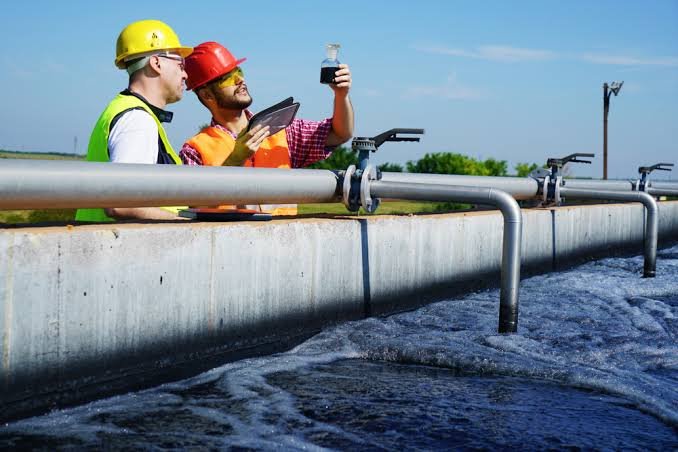
Because water quality varies so much, treatment systems need flexibility. Testing the incoming water regularly allows operators to adjust treatment methods before problems develop.
That adaptability is one reason modern treatment facilities achieve such reliable results. Instead of assuming every water source behaves the same, they respond to changing conditions with carefully selected processes designed for each application.
The Role Chemicals Play in Safe Water
When people hear the word “chemical,” it sometimes creates unnecessary concern. In reality, properly selected treatment chemicals are essential for producing safe, clean water.
Disinfectants eliminate harmful microorganisms. Coagulants help tiny suspended particles combine so they can be removed more easily. pH adjustment chemicals protect plumbing systems and improve treatment efficiency.
Using water treatment chemicals responsibly requires accuracy, proper monitoring, and trained personnel. The goal isn’t simply adding chemicals—it’s applying the correct amount at precisely the right time.
When managed correctly, chemical treatment becomes one of the most reliable ways to improve water quality while protecting public health.
Filtration Is More Sophisticated Than Many Realize
Many people imagine filtration as little more than water passing through a screen. Modern filtration is much more refined.
Different filters target different contaminants. Some remove sediment, while others reduce chlorine, organic compounds, bacteria, or microscopic particles. The filtration stage often determines how efficiently the remaining treatment processes perform.
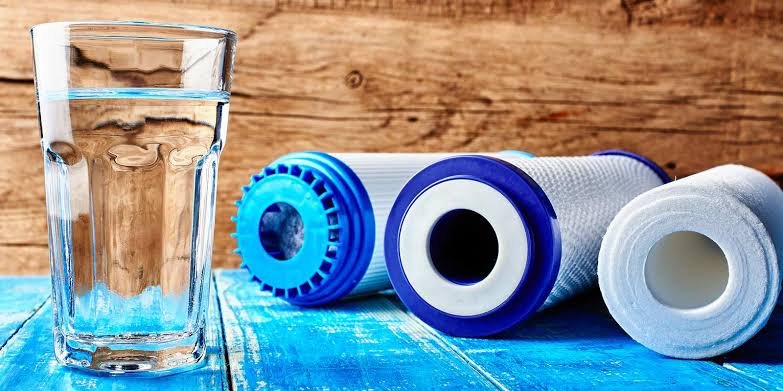
One widely used approach is cartridge filtration, which captures suspended solids before they reach downstream equipment. These replaceable filters help protect pumps, membranes, ultraviolet systems, and other sensitive components from unnecessary wear.
Although cartridge filters are relatively simple devices, they play a surprisingly important role in maintaining system performance and reducing long-term maintenance costs.
Preventative Maintenance Saves More Than Money
Routine maintenance isn’t always exciting, but it’s one of the smartest investments any facility can make.
Regular inspections identify worn seals, clogged filters, declining pressure, or unusual vibration before those issues become expensive failures. A technician replacing a relatively inexpensive component today may prevent thousands of dollars in repairs tomorrow.
Preventative maintenance also helps maintain consistent water quality, something that’s especially important in healthcare facilities, food processing plants, laboratories, and manufacturing environments where reliability isn’t optional.
It’s often the work no one notices that delivers the biggest value.
Technology Has Made Water Management Smarter
Water treatment has evolved significantly over the past decade. Automation, digital sensors, and remote monitoring systems now provide operators with real-time information that was once unavailable.
Instead of relying solely on scheduled inspections, modern systems continuously measure flow rates, chemical dosing, pressure, conductivity, and water quality parameters.
If something changes unexpectedly, operators receive alerts almost immediately, allowing them to respond before small issues become major operational problems.
Technology hasn’t replaced experienced professionals—it has simply given them better tools to make informed decisions.
Sustainability Is Becoming a Priority
Water conservation has become an important conversation worldwide, and treatment systems play a major role in supporting those efforts.
Modern facilities focus on reducing water waste, minimizing energy consumption, improving recycling processes, and extending equipment life whenever possible. Efficient filtration systems, accurate chemical dosing, and durable equipment all contribute to these goals.
Interestingly, environmentally responsible practices often reduce operating costs as well. Using fewer chemicals, consuming less energy, and preventing unnecessary repairs create measurable financial benefits alongside environmental improvements.
That’s one reason sustainable water management continues gaining momentum across nearly every industry.
Choosing Long-Term Value Over Short-Term Savings
Budget considerations always matter, but selecting equipment based solely on purchase price can create larger expenses later.
Reliable equipment generally lasts longer, performs more consistently, and requires fewer emergency repairs. Strong manufacturer support, readily available replacement parts, and straightforward maintenance procedures often prove just as valuable as the equipment itself.
The smartest purchasing decisions consider the entire life cycle rather than focusing only on the initial investment.
It’s a practical mindset that usually pays dividends for years.
Looking Toward the Future
Water treatment will continue evolving as communities grow, regulations become more demanding, and industries seek greater efficiency. Fortunately, equipment manufacturers continue developing smarter technologies that improve accuracy, reduce waste, and simplify maintenance.
From advanced filtration systems to intelligent monitoring platforms, innovation is helping operators produce cleaner water while using fewer resources.
In many ways, the greatest success of a water treatment system is that most people never think about it. Clean water simply arrives when it’s needed, consistently and safely.
Behind that everyday convenience is careful engineering, reliable equipment, routine maintenance, and countless small decisions made by skilled professionals. When every component performs its job well, the entire system works almost invisibly—and that’s exactly how good water treatment should be.