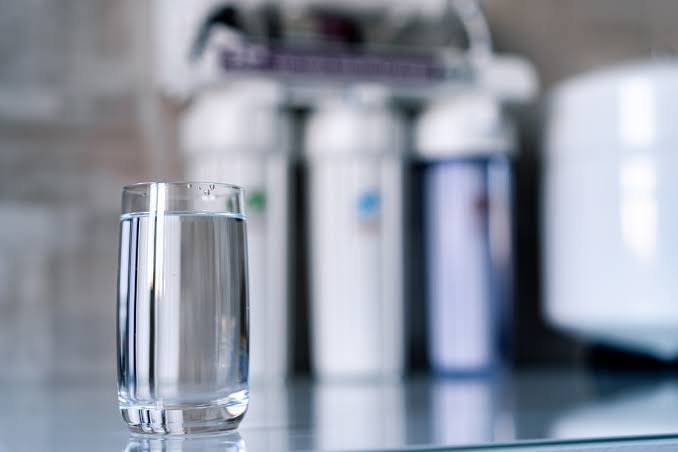





There’s something oddly satisfying about a clear glass of water — until you start questioning what might be hiding inside it. If you’re living in a home with hard water, chances are your faucets, showerheads, and maybe even your stomach have noticed. While water might seem like one of the most basic utilities we rely on, the reality is far more complex — and occasionally, downright nasty.
Let’s talk about it. Not from a sterile, scientific point of view, but from a real-life, “I’m sick of replacing my kettle” perspective. You’re not alone — and yes, there are better options out there.
When Water Goes Rogue: The Unseen Threats Lurking in Your Pipes
First off, let’s bust a myth: just because water is “clear” doesn’t mean it’s clean. Municipal water supplies are treated, sure, but that journey from the treatment plant to your tap? It’s not always as pure as it should be. That’s where issues like bacterial contamination creep in — a quiet invader that doesn’t ring the doorbell.
The truth is, water systems aren’t immune to aging infrastructure, leaks, or lapses in sanitation. If your tap water occasionally smells funky or has that slight “swampy” aftertaste, it’s not your imagination. Bacteria love moist, enclosed spaces (like old pipes), and unless you’ve installed proper filtration or softening systems, they might just be having a party in there.
We’re not fearmongering — we’re informing. Because when something as essential as water starts posing invisible risks to your family’s health, it’s time to act.
The Ugly Side of Hard Water: It’s Not Just About Soap Scum
Now, let’s talk minerals — specifically calcium and magnesium. Hard water is basically water that’s picked up a little too much of these along its journey. And while your body might love those minerals in your diet, your home? Not so much.
Ever wondered why your dishwasher leaves glasses looking foggy, or why your water heater groans like it’s 90 years old? Enter scale buildup, the silent destroyer of appliances, pipes, and anything that heats or stores water.
Scale isn’t just an eyesore — it’s a money-sucker. It coats your heating elements, reduces efficiency, and forces you to replace devices years earlier than expected. Oh, and it’s not great for your skin or hair either (dryness, anyone?).
If you’re spending way more on maintenance than you’d like or your energy bills have started creeping up, hard water is probably at the heart of it.
That “New Home” Feeling: How Whole Home Water Solutions Change the Game
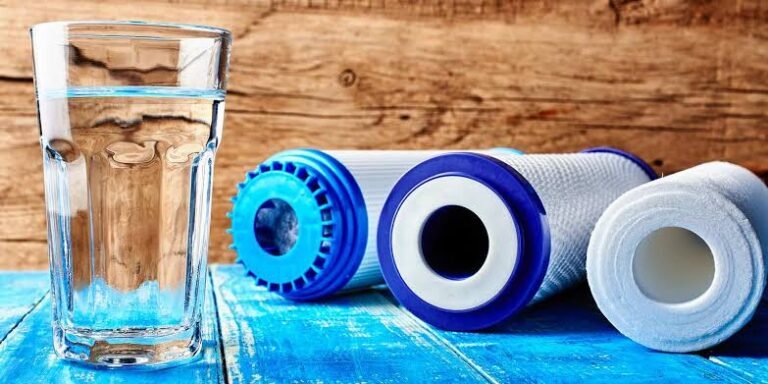
You’ve probably seen ads for water filters that go on your kitchen tap or those pitcher filters you have to refill three times a day. They’re fine — for what they do. But when it comes to whole home water care, you need something a little more… robust.
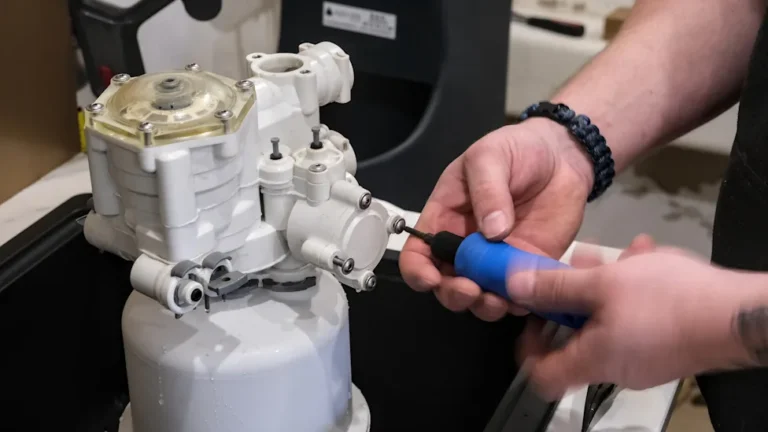
That’s where whole home softener solutions come in. They don’t just filter — they condition. They don’t just improve taste — they improve everything the water touches. Think of them as the difference between wearing a cheap rain poncho versus investing in a high-quality waterproof jacket. One gets the job done. The other transforms your experience.
Whole-home systems treat every drop of water before it enters your home. That means softer laundry, cleaner dishes, smoother skin, and significantly less gunk in your appliances. You may even notice your shampoo lasts longer — because you’re not using half the bottle trying to get a lather going.
Real Talk: Is It Worth the Investment?
Short answer: yes.
Long answer: absolutely, especially if you plan to stay in your home for a while. These systems aren’t just about water quality — they’re about quality of life. They’re also about protecting your property value and saving money over time. Fewer appliance replacements. Fewer plumber visits. Fewer complaints from family members about itchy skin and dry hair.
The upfront cost? Sure, it’s more than a countertop filter. But over five or ten years? The return on investment becomes pretty obvious — and it’s not just financial. It’s about peace of mind.
So, What Should You Do Now?
If you’ve made it this far, you’re probably already suspicious that your water isn’t doing you any favors. The next step? Test it. Water testing kits are affordable and easy to use — or you can hire a professional for a more detailed analysis.
Once you know what you’re working with, look into solutions that fit your needs. Not every home needs the same system. Some may need softening, others more filtration. Some might benefit from a combo approach.
But one thing’s for sure: doing nothing only means more headaches down the line. More sediment in your kettle. More cleaning products wasted on soap scum. More wondering why your skin feels like sandpaper after every shower.
In Conclusion: Water Should Work For You — Not Against You
Let’s be honest — we tend to take water for granted. It’s always there, flowing freely, easy to forget until something starts to go wrong. But just like any other part of your home, your water system deserves attention and care.
With the right approach, you can take control. Eliminate invisible threats. Protect your investment. And maybe even fall back in love with your morning shower. Because when your water is clean, conditioned, and doing its job — everything else in your home just feels better.
So the next time you sip from that glass or step into your bathroom, ask yourself: Is my water really as good as it should be?
Chances are, it’s time to level up.