




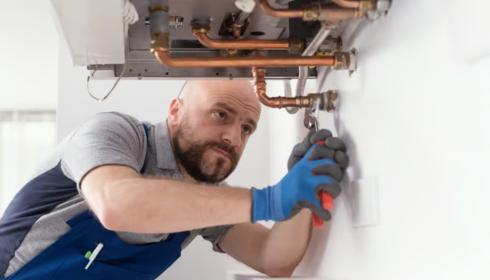
There’s nothing quite like that first blast of hot water in the morning—it wakes you up, washes away yesterday, and gives you a moment of peace before the chaos begins. But if your water heater is old, inefficient, or just can’t keep up, that comfort turns into frustration—cold bursts, rising utility bills, and the occasional “Why is the water doing this again?”
This is where a little planning can go a long way. Investing in better heating systems for your home isn’t just about comfort—it’s about saving money, reducing waste, and getting ahead of annoying plumbing problems that always seem to show up at the worst possible time.
Why Water Heater Installation Is Worth Getting Right
Let’s start with the obvious: if your water heater is on its last leg, leaking, or taking forever to do its job, don’t wait around hoping it’ll magically get better. It won’t. Scheduling a professional water heater installation ensures everything gets done safely, efficiently, and up to code—plus, you’ll sleep better knowing the job’s been handled by someone who knows what they’re doing.
Whether you’re upgrading from a decades-old tank or switching to something more modern, installation isn’t just about hooking up pipes. It’s about checking venting, making sure energy sources are safe, and setting you up for long-term reliability. You don’t want shortcuts when it comes to something that literally powers your showers.
The Not-So-Glamorous Reality of Tankless Water Heater Repair
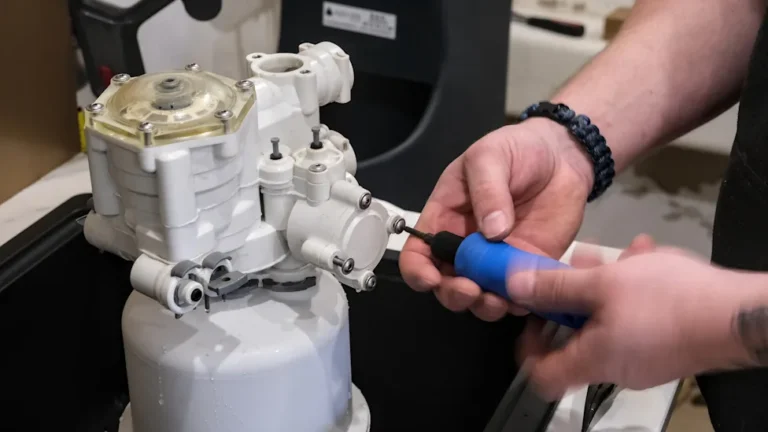
Tankless systems are all the rage—and for good reason. They heat water on demand, save space, and can be incredibly energy efficient. But here’s the part no one mentions: they still need maintenance, and sometimes they break. When they do, it’s not always something you can fix with a YouTube video and a screwdriver.
A clogged inlet screen, a faulty ignition system, or a buildup of scale can bring even the fanciest tankless heater to a standstill. Calling in a pro for tankless water heater repair ensures your unit gets back on track fast, without turning your garage into a DIY war zone. And because these systems are more complex than traditional tanks, it’s smart to have someone experienced handle the guts of it.
So yes, tankless is great. But only when it’s working properly.
Small Adjustments to Improve Hot Water Efficiency
We live in a world where energy bills seem to keep climbing, and every drop of efficiency helps. Thankfully, there are simple ways to improve hot water efficiency without ripping apart your plumbing system.
Start with your habits—shorter showers, turning down the thermostat a few degrees, and insulating exposed hot water pipes can all make a difference. Add in a smart thermostat or install a recirculation pump to reduce the wait time at taps. Even upgrading to a low-flow showerhead can save water (and energy) without sacrificing pressure.
And if your current water heater is more than 10–12 years old? It’s probably time to replace it altogether. The new models—tank or tankless—are designed with energy efficiency in mind, so the upgrade often pays for itself over time.
When the Signs Are There, Don’t Ignore Them
You know your home better than anyone. If something feels off—if your water takes forever to heat, runs out too fast, smells metallic, or if the unit itself is making weird popping noises—it’s not your imagination. Those are all classic signs that your heater needs attention.
You don’t have to be a plumber to spot a problem. But having a plumber you trust? That’s worth its weight in gold. Especially when it’s 6 a.m. and the water’s ice cold.
Is It Time to Go Tankless?
A lot of homeowners ask whether they should make the leap from tank to tankless. The answer? It depends.
Tankless systems are ideal if you’re looking for a long-term, energy-saving solution—especially in smaller homes or for people who don’t use a ton of hot water all at once. They last longer (up to 20 years), use less energy overall, and save valuable floor space.
On the flip side, they cost more upfront, and installation isn’t always plug-and-play. You might need a new gas line or upgraded electrical panel. But if you’re planning to stay in your home for years to come, the investment is usually worth it.
Talk it over with a pro. Don’t just pick what’s trending—choose what makes sense for your home and your habits.
Don’t Forget the Maintenance
This part’s easy to forget… until something breaks. Just like your car, your water heater needs regular checkups. Flushing the system yearly, inspecting valves, and keeping an eye out for corrosion can help your heater live a longer, happier life.
Set a reminder in your phone. Schedule annual service. Do whatever you have to do. Because replacing a heater is never fun—but avoiding that cost for a few more years? Totally doable if you take care of what you’ve got.
Final Thoughts: It’s About Comfort and Control
Your water heater might not be the most exciting thing in your home—but when it fails, it will get your attention. Investing in a better system, keeping it well maintained, and paying attention to small changes can make your everyday life smoother, cheaper, and a lot more comfortable.