



Ever taken a sip of water and paused, wondering what’s really in it? You’re not alone. A lot of folks toss around terms like “TDS” when talking about water quality, but very few know what it truly means. Is it dangerous? Should you be filtering it out? Is it something to obsess over, or just a harmless part of nature’s cocktail?
Let’s take a chill, no-jargon dive into the world of TDS—what it means, why it matters (or doesn’t), and how it can affect everything from your morning coffee to your shower pressure.
Let’s Start at the Beginning — What Is TDS, Anyway?
We hear the term a lot, especially from water filter salespeople and health freaks, but what is TDS?
TDS stands for “Total Dissolved Solids.” Think of it as a measurement of everything that’s not water in your water. That includes minerals (like calcium and magnesium), salts, organic matter, and trace metals. It’s not necessarily a bad thing. Some of these are actually good for your health—or at least harmless. Others, not so much.
It’s kind of like checking your fridge. Not everything in there is a red flag, but it’s good to know what’s taking up space.
The Real-World Breakdown of TDS
So, TDS water meaning isn’t about one specific chemical or contaminant—it’s more of a grand total. Imagine if you boiled away all the water from a glass, leaving just the invisible stuff behind. That leftover gunk is your TDS.
Now, not all TDS is created equal. You might have perfectly healthy minerals that enhance taste and even help with hydration. Or you could be dealing with industrial waste runoff. Gross, right? That’s why TDS is only part of the story.
Some common things that contribute to TDS:
- Calcium
- Magnesium
- Sodium
- Chlorides
- Sulfates
- Nitrates
- Iron
- Lead (yikes)
Notice how some of those are vitamins and others are, well… the kind of stuff you don’t want in your body.
Is High TDS a Problem?
That’s like asking if high calories are a problem—it depends on where they’re coming from. If your water’s loaded with helpful minerals, you’re probably fine. If it tastes metallic or salty, though? That’s worth checking.
Generally, the Environmental Protection Agency (EPA) recommends that TDS levels in drinking water stay below 500 parts per million (ppm). Go much higher, and your water may taste funky, leave residue in appliances, or irritate sensitive stomachs.
Here’s the thing: TDS doesn’t tell you exactly what is in your water. It just says something is. So if your number is high, it’s a good idea to do a more detailed test to find out the source.
Why It Matters — And When It Doesn’t
If you’re relying on tap water for drinking, cooking, or making killer coffee, then yes, TDS deserves your attention. It can impact:
- Taste: Water with moderate TDS often tastes more “complete,” while super-purified water can feel flat.
- Appliances: High TDS can lead to scale buildup in kettles, coffee makers, and humidifiers.
- Health: This is where it gets complicated. A high TDS score doesn’t always mean your water is dangerous, but it could be a red flag.
That’s why TDS meaning water is context-dependent. If you’re in an area with lots of limestone, for example, you might have higher TDS just from natural mineral content. That’s not a reason to panic.
But if you’re near industrial zones or farmland, those solids might include nitrates or heavy metals. Not exactly the kind of garnish you want with dinner.
Measuring TDS at Home
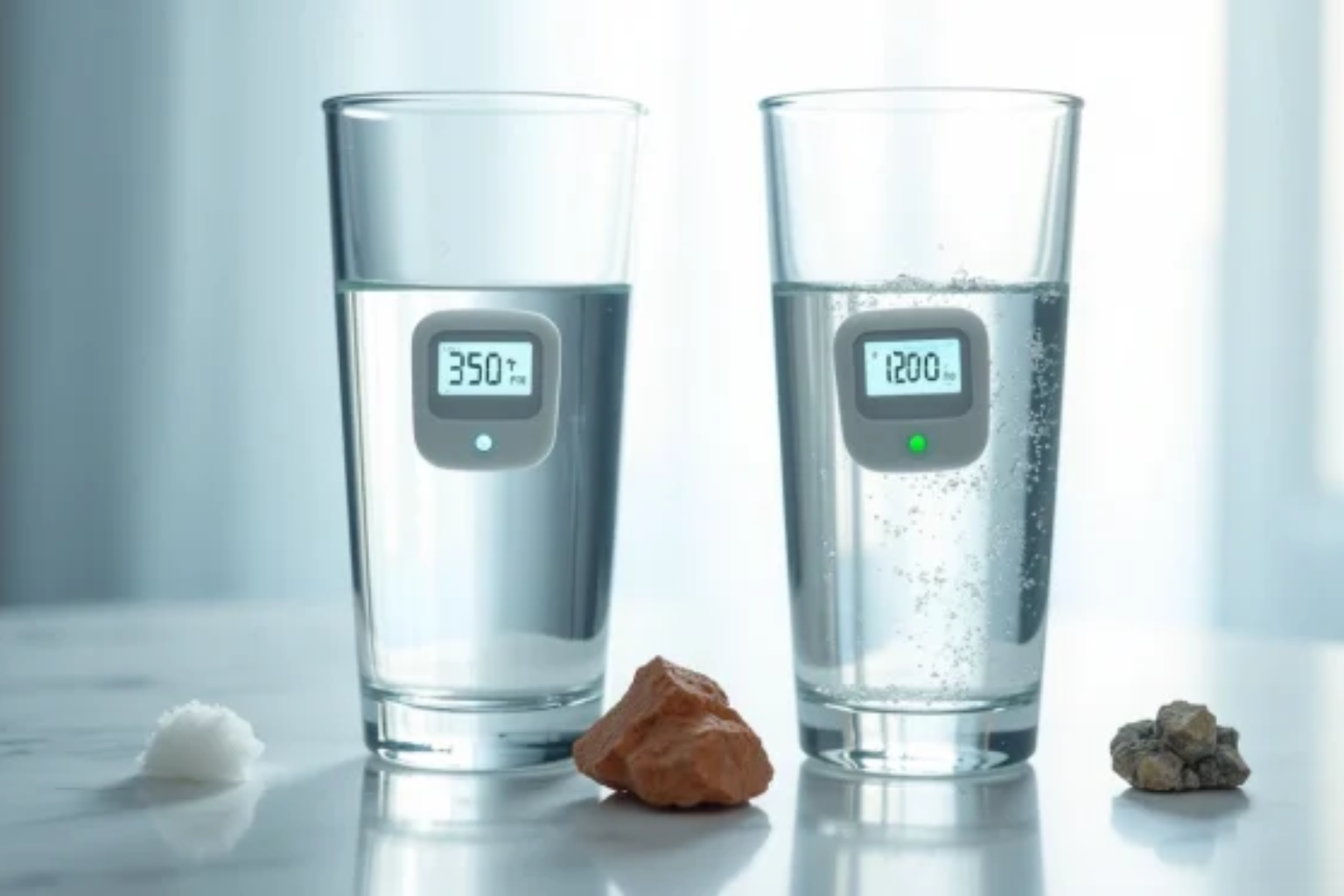
Here’s the good news—you don’t need a lab coat or degree in chemistry to get started. A cheap handheld TDS meter (you can snag one online for under $20) will give you a rough idea of your water’s TDS level in seconds.
It works like this:
- Turn it on.
- Stick it in your water.
- Read the digital display (which will show something like “187 ppm”).
It won’t break down the specific solids in your water, but it’ll let you know if something seems off.
TDS and Filtration — The Right Balance
So, what do you do if your TDS is too high? Or too low?
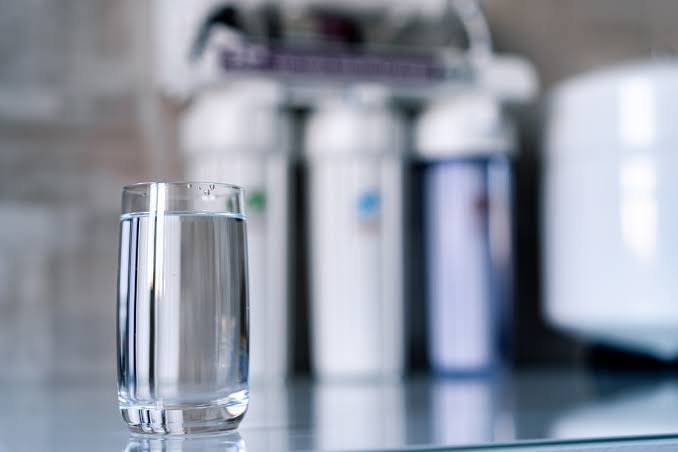
Enter water filters.
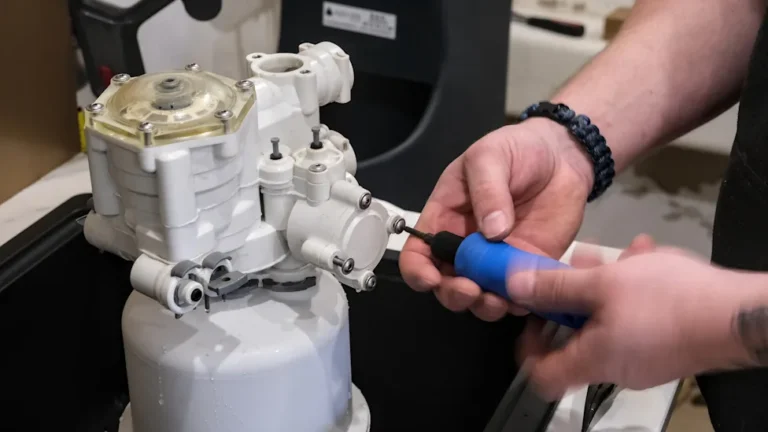
Reverse osmosis (RO) systems are the gold standard for removing TDS. They push water through a semi-permeable membrane, trapping nearly everything that’s not H2O. The downside? They also remove good minerals, so your water might taste a bit lifeless.
That’s why many RO systems include a remineralization filter to bring back the essentials—sort of like a multivitamin for your water.
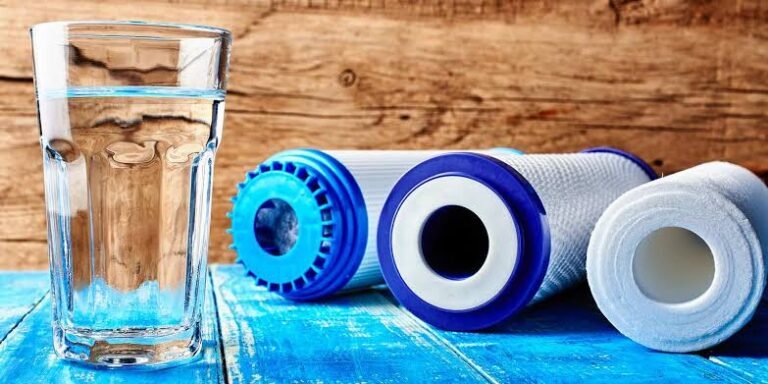
If your TDS is in a healthy range but you’re still worried about specific pollutants, carbon filters can help without removing beneficial minerals. Think Brita pitchers or under-sink filtration systems.
Pro tip: Don’t just filter because you feel like you should. Let the data guide your decision.
Bottled vs Tap — Does TDS Tell the Whole Story?
You might think bottled water automatically means “better,” but not always. Some bottled waters have high TDS because they’re mineral-rich—like San Pellegrino or Evian. That’s part of the appeal.
Tap water, depending on where you live, might have a perfectly reasonable TDS level and still be safe and tasty.
So, before you toss your faucet for a fancy bottle, check the facts. Sometimes your local tap is doing just fine.
Final Thoughts — Don’t Fear the Acronym
When you break it down, TDS water meaning isn’t all that complicated. It’s simply a count of what else is riding along with the water molecules. Some of it’s helpful, some not so much, and all of it is invisible to the naked eye.