






Water is one of those quiet parts of life we never question—until something nudges us to pay attention. Maybe your tap water tastes a little metallic one morning. Maybe your shower leaves your skin feeling oddly dry. Maybe the dishes in the dishwasher don’t come out quite as spotless as you’d like. These tiny signals stack up, and before you know it, you’re wondering what’s actually in your water and whether it’s time to learn a little more about the stuff flowing through your home.
A home’s water has a personality, almost like a story carried through pipes. And in Florida homes, that story can be especially unique. The state’s natural geology, weather patterns, and even its plumbing histories all mix together to create water that sometimes feels crisp and clean, and other times… just a bit questionable.
Let’s walk through this gently—no scare tactics, no rigid textbook explanations. Just a natural, conversational look at what might be going on, why it matters, and how you can make your water feel better, fresher, and more reliable every day.
Water Isn’t Just “Water”—It’s a Whole Mix of Things
We like to imagine water as a simple thing, something pure and untouched. But the truth is, most tap water picks up plenty of other ingredients on its journey from the source to your faucet. These additions aren’t always dangerous, but they can definitely influence how your water looks, tastes, and behaves.
This is where water contaminants come in—not as a looming threat, but more as uninvited guests that you may or may not notice. Some are harmless minerals. Some are natural elements from Florida’s sandy, limestone-heavy soil. And some are human-made, floating in from agriculture, old pipes, or municipal treatment processes.
Learning what’s actually in your water isn’t about panicking—it’s about understanding. Awareness makes everything easier to fix.
The Florida Water Story: A Special Blend
Florida’s water is shaped by nature. Literally. The state sits on limestone bedrock, which means groundwater dissolves the stone and picks up lots of minerals as it moves. This creates hard water, noticeable by its tendency to leave streaks, stains, and that extra “film” feeling on your skin.
But minerals aren’t the only thing influencing water in the Sunshine State. The deeper you look, the more complexities you’ll find—sulfates, sediment, chlorine treatment, even slight saltwater intrusion in some coastal regions.
So when your water tastes off or your shower feels harsher than expected, you’re likely dealing with the natural quirks of Florida geography.
But quirks, unlike problems, can be smoothed out.
Your Household Water Has a Personality
Every home, no matter where it’s located, develops what you could call its own household water profile. This isn’t a scientific label—it’s more like a fingerprint for your plumbing system. It includes things like:
– the hardness level
– how much chlorine is present
– the types of minerals in your pipes
– your plumbing materials
– your filtration system (if you have one)
– where your home sits geographically
– how old your pipes, pump, or water heater are
This profile isn’t necessarily good or bad—it just is. But understanding it can help you make better choices for your water, your appliances, your skin, and your overall comfort.
Think of it like understanding your home’s “water personality.” Once you know that personality, it becomes much easier to improve it.
When Water Starts Talking
Water doesn’t shout, but it hints—quietly, repeatedly, until you notice.
Some signs your home’s water is trying to tell you something:
– metallic or bitter taste
– cloudy water after filling a glass
– white mineral crust around faucets
– a faint chlorine smell
– yellowish or rusty stains
– dry hair or itchy skin
– spots on dishes after a dishwasher cycle
– laundry that feels stiff
These aren’t dramatic emergencies. They’re just clues that your water may need attention. Sort of like how your car gives odd sounds before needing service.
Ignoring the signs won’t always create immediate problems, but addressing them makes daily life more comfortable.
What’s Really in Your Water? A Simple Breakdown
You don’t need a chemistry degree. Here’s the easy version:
Minerals – calcium, magnesium… the culprits behind hard water.
Sediment – tiny flecks of sand or soil. More common near Florida’s coastlines.
Chlorine – used by cities to sanitize water, but not always pleasant in a glass.
Iron – responsible for metallic taste or orange-ish stains.
Sulfates – can contribute to odd smells and certain flavors.
Organic matter – harmless but can make water look cloudy.
Pipes residue – older plumbing systems can release small particles.
Some homes never experience issues. Others deal with several at once. But all of these things can be managed with the right approach.
The Emotional Part We Don’t Talk About
Nobody really mentions how water affects how a home feels. But it does.
Imagine taking a shower that feels soft and refreshing because the water isn’t drying out your skin. Or cooking pasta with water that tastes clean—not faintly metallic. Or confidently filling up your kid’s water bottle knowing it’s pure and fresh. Or making coffee that tastes smoother, more like a café cup.
Good water brings peace. Poor water brings little frustrations.
Those frustrations stack up quietly over time.
Improving Your Water Doesn’t Need to Be Complicated
You don’t need a dozen machines or fancy equipment. Most homeowners only need one or two solutions:
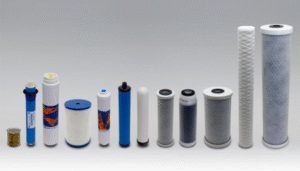
Filtration systems
Great for removing chlorine, sediments, tastes, and odors.
Water softeners
Perfect for improving hardness, preventing scaling, and making showers feel better.
Reverse osmosis (RO)
Ideal for drinking water and cooking—ultra-pure and crisp.
Whole-home treatment systems
A combination approach for homes with multiple water issues.
The best part? Once installed, they mostly work in the background, quietly improving your home without any fuss.
Making Your Home’s Water Feel “Right”
There’s something wonderful about turning on your faucet and trusting what comes out. Water shouldn’t be a mystery. It shouldn’t make you pause or wrinkle your nose. It shouldn’t make your appliances work harder than they should.
It should be clear, clean, refreshing, and gentle.
That’s not too much to ask.
A Calm, Honest Ending
Your home’s water story doesn’t need to be complicated or filled with worry. Understanding the basics—what’s in your water, how Florida’s geology affects it, and how your home’s system shapes it—puts you in control.