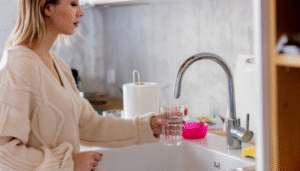






There’s a strange kind of trust we build with the water in our homes. We turn on the faucet without thinking. We fill a glass, make coffee, wash vegetables, run the dishwasher—never really questioning what’s happening inside that little filter tucked away beneath the sink or inside the refrigerator door.
But at some point, you might pause. Maybe your water doesn’t taste quite the same. Maybe your ice looks a little cloudy. Or maybe your appliances are suddenly working harder, making unfamiliar noises. That’s when the quiet question sneaks in: “Wait… when did I last change my water filter?”
It’s funny how something so small can influence the quality of something we use constantly. And yet, most of us forget about it until something feels off.
When the Taste Tells You Before the Calendar Does
You know that moment when you fill a glass and take a sip, expecting crisp, fresh water—but instead you get something mildly stale, metallic, or just… odd? It’s not dramatic, but it’s unmistakable once you notice it.
For many people, that moment is what inspires a frantic late-night search like “how often should you change your water filter”, followed by a realization that the last replacement happened a lot longer ago than they remembered.
Filters don’t last forever. They quietly take on every impurity, every mineral, every unwanted visitor in your water—until they simply can’t take on anymore.
The Invisible Work Your Filter Does Every Single Day
Think of your water filter as a tiny guardian at the gate. Every day, it catches:
– sediment
– chlorine
– contaminants
– rust
– micro-particles
– odd tastes
– lingering odors
All so you never have to think about it. But eventually, that guardian gets tired. Overworked. Clogged. And when that happens, the quality of your water slowly starts to slip.
This is why understanding how often to replace water filter components isn’t just about maintenance—it’s about keeping your water trustworthy.
The Real Answer: “It Depends” (But Here’s a Helpful Guideline)
Every home is different. Every water source has its own quirks. And every type of filter—refrigerator, under-sink, whole-house, pitcher, showerhead—has its own lifespan.
Still, there are general guidelines that make the process feel a little easier:
- Refrigerator filters: every 6 months
- Under-sink carbon filters: every 6–12 months
- Whole-house sediment filters: every 3–6 months
- Pitcher filters: every 2 months
- RO membranes: every 2–3 years
- Shower filters: every 4–6 months
But filters don’t follow calendars—they follow usage, water quality, and household size. A family of five burns through a filter much faster than a single person in a small apartment.
The Signs Your Filter Is Begging for a Replacement
You don’t need to be a water expert to spot the clues. Your home gives you hints. Look for:
– water tasting slightly… “off”
– decreased water pressure
– cloudy ice cubes
– unusual smells
– sinks or glasses showing more residue than usual
– the refrigerator suddenly sounding overworked
– your coffee tasting strangely flat
These aren’t coincidences—they’re warnings.
The Internal Debate: “Do I Really Need to Replace It Right Now?”
We’ve all had that moment. You know the filter needs changing, but you hope you can stretch it another month. Maybe two. The water isn’t that bad yet.
But here’s the truth: a clogged filter doesn’t just stop filtering—it can start releasing what it previously captured. Suddenly, all those contaminants it was guarding you from? They’re finding their way right into your glass.
That little filter affects far more than taste. It protects your appliances, your plumbing, and your long-term health.
Why a Simple Filter Change Makes Life Feel Better
It’s amazing how quickly things improve once you replace a filter. Your water tastes crisp again. Your ice cubes look clear. Your tea or coffee feels richer. Even your dishwasher leaves fewer spots on your dishes.
And there’s this subtle shift—you just feel more comfortable with what you’re drinking.
It’s a tiny upgrade with a strangely large emotional payoff.
Understanding Your Own Water Habits
People don’t think about how often they use water because it’s such a constant part of everyday life. But usage affects filter lifespan more than anything. The more you drink, wash, cook, rinse, and brew, the harder your filter works behind the scenes.
That’s why questions like “how often should I change water filter” don’t have a one-size-fits-all answer. It’s about paying attention—to your water, your appliances, and your daily routines.
Water tells its own truth if you listen long enough.
The Hidden Benefit: Protecting Everything Connected to Water
A good filter doesn’t just protect you—it protects:
– your refrigerator
– your dishwasher
– your hot water tank
– your coffee maker
– your plumbing
– even your skin and hair
Water quality affects everything it touches. Better filtration means less buildup, fewer breakdowns, and fewer unexpected repair bills.
Clean water is cheaper than dirty water in the long run.
Bringing It All Together (In a Way That Actually Feels Human)
Changing your water filter isn’t glamorous. It’s one of those small, practical tasks that quietly influences your daily comfort without fanfare. But it matters. More than most people realize.
Fresh water feels good. It tastes good. It supports your well-being in ways that are easy to forget until you experience the difference again.