




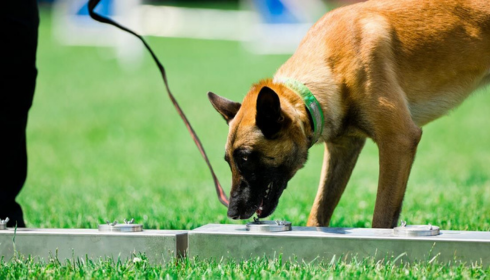
At Rob’s Dog Training, we know that the right scent for dog training can unlock your dog’s natural instincts, helping them learn faster, stay engaged, and thrive. Using scent in training is not just about obedience; it’s about stimulating your dog mentally, improving their confidence, and creating a deeper bond between you and your canine companion. Whether you have a young puppy or an older dog, incorporating scent work into your training routine can be transformative.
Why Scent Training Works for Dogs
Dogs experience the world primarily through their noses. Their sense of smell is tens of thousands of times more sensitive than humans’, making scent-based training a highly effective tool. When we use a scent for dog training, we tap into their natural instincts to track, search, and locate objects or even people. This method:
- Boosts mental stimulation: Dogs love using their noses. It’s a workout for their brains, keeping them sharp.
- Encourages problem-solving skills: Following a scent trail requires focus, memory, and decision-making.
- Strengthens the human-dog bond: Working together on scent activities promotes trust and communication.
Dogs trained with scent-based methods are often calmer, more focused, and exhibit fewer destructive behaviors, as they have a constructive outlet for their energy.
Choosing the Right Scent for Dog Training
Not all scents are created equal for training purposes. At Rob’s Dog Training, we recommend starting with simple, consistent scents that your dog can easily recognize and follow. Popular options include:
- Essential oils like lavender or chamomile (used sparingly)
- Food-based scents, such as small pieces of cheese or treats
- Specialized scent training kits available from pet supply stores
When selecting a scent, ensure it is safe and non-toxic for dogs. Begin with one scent at a time to avoid confusion, and gradually increase complexity as your dog becomes more confident.
Step-by-Step Scent Training for Beginners
Introducing scent work into your dog’s routine can be simple if approached methodically. Here’s a step-by-step guide:
- Introduce the scent: Let your dog sniff the training scent and reward them for showing interest.
- Hide the scent: Start with easy-to-find locations and gradually increase difficulty.
- Encourage tracking: Use cues like “find it” to signal your dog to follow the scent.
- Reward success: Positive reinforcement is crucial praise, treats, or play can reinforce correct behavior.
- Gradually increase challenge: Add more hidden items or use outdoor environments to simulate real tracking situations.
Consistency is key. Short, frequent training sessions work better than occasional long sessions, as dogs retain scent skills more effectively when practiced regularly.
Advanced Scent Techniques for Skilled Dogs
Once your dog masters basic scent tracking, you can explore more advanced techniques:
- Multiple scent discrimination: Teach your dog to distinguish between different scents, a skill used in search-and-rescue or detection work.
- Scent games and puzzles: Hide multiple objects and let your dog identify the correct one based on smell.
- Outdoor tracking: Practice scent trails in varied terrain to challenge your dog’s tracking ability.
Advanced scent training not only sharpens your dog’s skills but also provides significant mental enrichment, helping reduce stress and behavioral issues.
Common Mistakes in Scent-Based Training
Even experienced dog owners can make errors when using scent for dog training. Avoid these pitfalls:
- Over-rewarding early: Rewarding too soon can confuse your dog about the goal.
- Using multiple scents too quickly: Introduces confusion and slows learning.
- Inconsistent cues or commands: Dogs need consistent verbal or hand signals to succeed.
- Long sessions without breaks: Mental fatigue can reduce effectiveness.
Correcting these issues ensures your dog remains motivated, focused, and eager to participate.
The Benefits of Professional Guidance
While scent training can be done at home, professional guidance accelerates learning and ensures safety. Trainers at Rob’s Dog Training bring experience, structured programs, and proven techniques that adapt to your dog’s breed, age, and temperament. Working with professionals:
- Helps avoid common training mistakes
- Offers personalized scent selection and progression plans
- Provides expert advice on integrating scent work into daily routines
Scent Training as Enrichment and Therapy
Beyond obedience and tracking, scent work serves as excellent enrichment for dogs of all ages. It can:
- Reduce anxiety in nervous or rescue dogs
- Encourage gentle activity for senior dogs
- Provide outlets for high-energy breeds
- Improve focus and patience, even in young puppies
Dogs that engage in regular scent work are often calmer, more confident, and more adaptable to new situations, making it an invaluable part of comprehensive dog care.
Tools and Resources for Scent Training
Investing in the right tools can make scent work more engaging and effective. Consider:
- Scent articles or training kits specifically designed for dog noses
- Treat-dispensing toys that hide scented treats
- Clickers or reward markers to reinforce successful tracking
- Training mats or hide-and-seek games for indoor practice
These tools enhance the learning experience and allow for creative variations in scent exercises.
Integrating Scent Training into Daily Life
Scent-based exercises don’t have to be a separate, time-consuming activity. Incorporate them naturally into your dog’s routine:
- Hide treats around the house during playtime
- Use scent trails during walks or in your yard
- Create small indoor “search zones” when weather limits outdoor activity
- Rotate scents to maintain novelty and engagement
By weaving scent work into everyday life, dogs learn without feeling pressured and remain mentally stimulated throughout the day.
Success Stories from Rob’s Dog Training
We’ve seen firsthand how scent for dog training transforms dogs:
- A timid rescue dog developed confidence tracking a favorite treat scent
- A high-energy Labrador improved focus and reduced destructive behaviors through daily scent games
- A senior dog regained engagement and alertness, thanks to simple scent enrichment exercises
These examples show that scent training isn’t just a technique it’s a pathway to happier, healthier dogs.
Final Thoughts on Scent for Dog Training
Scent-based training taps into a dog’s most natural sense, offering cognitive stimulation, emotional balance, and stronger bonding. Whether you are a novice or an experienced dog owner, incorporating scent for dog training can transform your approach to obedience, enrichment, and overall wellbeing.
For dog owners in Phoenix and beyond, Rob’s Dog Training provides expert guidance, structured programs, and practical tips to ensure your dog thrives using scent-based methods. Ready to unlock your dog’s full potential? Explore our resources and training services at Rob’s Dog Training to get started today.