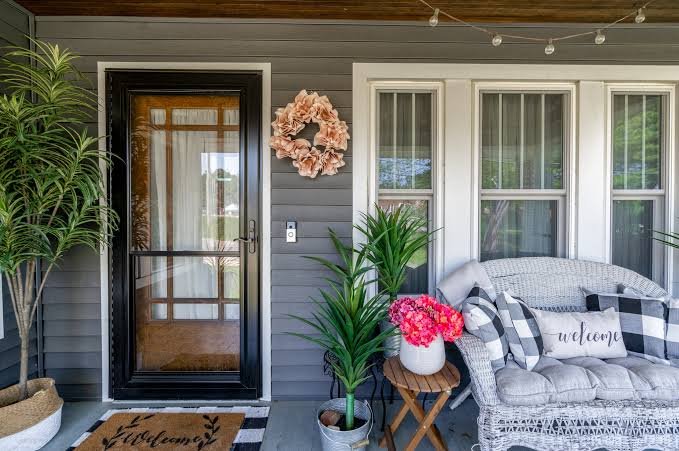
A door does more than separate one room from another or mark the entrance to a house. It affects how a home looks, how comfortable it feels, and even how much energy it uses. The right door can make an older property feel refreshed, brighten a dark space, or give a busy family home a little more security.
That’s why choosing doors shouldn’t be treated as a quick hardware-store decision. Materials, glass, insulation, weather exposure, security, maintenance, and everyday habits all matter. And while style is important, the best choice is usually the one that quietly makes daily life easier.
Start With the Purpose of the Door
Before thinking about colors or finishes, consider where the door will be installed and what you expect it to do.
A front entrance, for example, needs a different balance of security and appearance than a door leading to the backyard. A door connecting the kitchen to an outdoor entertaining area may need to provide plenty of natural light and easy access. A side entrance exposed to harsh weather might need extra protection against wind and rain.
For main entrances, entry doors can provide a strong combination of security, insulation, durability, and curb appeal. Fiberglass, steel, and solid wood are among the common choices, and each has its own advantages.
Fiberglass is popular because it can mimic the appearance of wood without requiring quite as much maintenance. Steel offers excellent strength and security, while wood has a warmth and character that’s difficult to reproduce perfectly. The right choice depends on the home, climate, budget, and how much upkeep you’re willing to handle.
Think About Natural Light
There’s something about natural light that makes a home feel more welcoming. It can change the mood of a hallway, make a living room appear larger, and reduce the need for artificial lighting during the day.
That’s one reason glass doors have become so popular. They’re particularly useful when a home has a beautiful garden, deck, balcony, or backyard that homeowners actually want to see from inside.
Patio doors are especially useful in these spaces because they can create a visual connection between indoor and outdoor areas. Sliding versions are practical where floor space is limited, while hinged or French-style designs can provide a more traditional appearance.
Of course, glass brings up another concern: privacy. Frosted, textured, tinted, or decorative glass can offer a reasonable compromise. You get daylight without feeling like the whole neighborhood has a front-row seat to your living room.
Security Shouldn’t Be an Afterthought
A beautiful door isn’t much use if it doesn’t provide adequate protection.
Look at the entire door system rather than just the slab itself. The frame, hinges, locks, strike plates, and glass all play a role. A strong door installed poorly can still leave weaknesses around the edges.
For exterior doors, quality locks and sturdy hardware are worth paying attention to. If there’s glass close to a lock, consider how easily it could potentially be broken or reached through. Smart locks and other modern security features can add convenience, too, but they shouldn’t replace basic physical security.
Installation matters just as much. Even an expensive door can perform poorly when it isn’t fitted correctly. Gaps, misalignment, weak fasteners, and poor sealing can affect both security and weather resistance.
Weather Protection Matters More Than You Think
Doors are constantly exposed to changing conditions. Heat, cold, rain, humidity, wind, and sunlight can all take their toll over time.
A properly sealed exterior door helps reduce drafts and keeps unwanted moisture from finding its way indoors. Weatherstripping around the edges and a good threshold beneath the door can make a noticeable difference.
In areas that experience strong winds or severe storms, homeowners may also want additional protection. Storm doors can provide another barrier between the interior of the home and outdoor conditions. They can also allow ventilation when the weather is pleasant, depending on the design.
It’s easy to overlook small signs of weather-related wear. Peeling finishes, cracked seals, fogged glass, sticking doors, or water marks near the frame may indicate that something needs attention. Catching these issues early is usually easier and less expensive than waiting until the damage spreads.
Energy Efficiency Is Worth Considering
A door can be a surprisingly important part of a home’s energy performance.
If outside air slips through gaps around the frame, heating and cooling systems have to work harder to maintain a comfortable indoor temperature. Over time, those small losses can add up.
Look for doors designed with insulation in mind. Energy-efficient glass, insulated cores, quality weatherstripping, and tight installation can all help reduce unwanted heat transfer.
But don’t assume that buying the most expensive door automatically solves the problem. Installation is crucial. A well-designed product won’t perform properly if there are gaps around the frame or the door isn’t aligned correctly.
For homeowners replacing several doors, it can make sense to prioritize the ones most exposed to the outdoors first. A poorly sealed back door or patio opening may be a bigger concern than an interior door that rarely experiences temperature changes.
Materials: Wood, Fiberglass, or Steel?
There isn’t one perfect material for every home.
Wood remains a favorite for people who value traditional craftsmanship and natural beauty. It can be stained or painted and repaired in many cases, but it generally needs more maintenance, particularly when exposed to moisture and direct sunlight.
Fiberglass is often chosen for its durability and relatively low maintenance. Modern designs can look surprisingly close to real wood, making it a practical option for homeowners who want appearance without constant refinishing.
Steel is known for strength and security. It’s also generally affordable compared with many premium wood options. However, damaged finishes should be addressed promptly because exposed metal can eventually develop corrosion.
The best material is the one that fits your lifestyle. If you enjoy regular home maintenance, wood may be perfectly reasonable. If you’d rather install a door and not think about it much, a low-maintenance material could be the better fit.
Don’t Forget the Small Details
Door selection often comes down to details that aren’t particularly glamorous, but they matter.
Think about handles, hinges, thresholds, screens, glass patterns, trim, and swing direction. Even the color can change how a door relates to the rest of the exterior.
Accessibility is another consideration. A frequently used entrance should be easy to open and wide enough for the people using it. Families may also want to think about pets, children, deliveries, and furniture movement.
And then there’s maintenance. Ask yourself a simple question: Will I actually keep up with what this door requires? A finish that needs frequent attention might look wonderful on day one but become frustrating a few years later.
Installation Can Make or Break the Result
Choosing a quality door is only half the job.
Professional installation can help ensure the frame is level, the door closes properly, seals are positioned correctly, and hardware works as intended. This is particularly important for exterior doors where small installation problems can lead to drafts, water intrusion, or premature wear.
If an existing frame is damaged or out of square, replacing only the door may not solve the underlying problem. Sometimes the surrounding structure needs attention first.
It’s also worth checking warranties and installation requirements before buying. Some manufacturers have specific conditions that affect warranty coverage, and knowing them beforehand can prevent an unpleasant surprise later.
A Door Should Work With the Home, Not Against It
The best doors don’t simply look good in a catalog. They make sense once they’re part of the house.
Think about your home’s architecture, local weather, security needs, maintenance habits, and how each space is actually used. A sleek glass door might be perfect for a bright backyard living area, while a solid, insulated entrance door may be better suited to the front of the house.
Most importantly, don’t rush the decision. Doors are used every single day, often without much thought. When they’re well chosen and properly installed, that’s exactly how it should feel — effortless.
A good door quietly keeps the weather out, lets the light in, protects the people inside, and complements the character of the home. That combination of practical performance and everyday comfort is what makes the investment worthwhile.