
There’s a moment most homeowners have experienced. You pull a “clean” glass out of the dishwasher, hold it up to the light, and see cloudy spots staring back at you. You wipe them away, but they return. Or maybe you notice your showerhead spraying unevenly, tiny white flakes clinging to the nozzles. It’s subtle. Annoying. Easy to ignore—at least for a while.
Hard water rarely feels urgent. It doesn’t break down your door or flood your basement. It just lingers in the background, slowly affecting the systems you rely on every single day.
And over time, that quiet impact adds up.
What’s Really Happening Inside Your Pipes
Hard water contains higher levels of dissolved minerals, mainly calcium and magnesium. These minerals aren’t harmful to drink, but they leave behind scale when water evaporates or heats up.
That scale forms on faucets and shower doors, yes—but it also builds up inside your plumbing. Inside your dishwasher. Inside your water heater.
Picture a thin layer of chalk lining a heating element. It doesn’t look dramatic at first, but that layer forces the system to work harder to produce the same result. Multiply that by years of daily use, and the effects become noticeable.
This is where the conversation shifts from inconvenience to long-term maintenance.
Why Appliances Feel the Impact First
One of the most overlooked aspects of hard water is how it affects the appliances you’ve already invested in.
Water heaters, washing machines, and dishwashers depend on consistent flow and heat transfer. When scale accumulates inside them, performance gradually declines. Heating elements strain. Internal parts wear out sooner than expected.
That’s why many homeowners start thinking about appliance protection as more than just an extended warranty. Treating hard water reduces the mineral buildup that quietly shortens equipment lifespan.
It’s not a flashy improvement. It’s preventative.
And prevention, as it turns out, is often cheaper than repair.
The Everyday Feel of Softer Water
Beyond appliances, there’s a more personal side to water treatment. You feel it.
When minerals are reduced, showers often feel smoother. Soap lathers more easily. Shampoo rinses clean without leaving residue. Towels seem less stiff straight from the dryer.
That’s the practical beauty of softer water—it changes daily routines in small but meaningful ways.
You may find yourself using less detergent. Less fabric softener. Fewer cleaning products to combat mineral spots. The bathroom mirror fogs up the same way, but the sink beneath it stays cleaner longer.
It’s not life-changing in a dramatic sense. But it’s noticeable.
Energy Use and Efficiency
There’s another angle that rarely gets enough attention: energy.
Scale buildup acts like insulation inside water heaters. When heating elements are coated in mineral deposits, they must work harder—and longer—to heat the same volume of water.
Over time, this reduces operational performance. The system consumes more energy to maintain output.
Addressing mineral buildup contributes to efficiency enhancement, especially in homes where water heaters operate daily at high demand.
The savings aren’t always obvious month to month. But over years, reduced strain on heating systems can translate into measurable energy cost reductions.
It’s a slow burn benefit—quiet but consistent.
Is Hard Water Always a Problem?
Not necessarily.
Some regions naturally have softer water supplies. Others fall into moderate hardness ranges where scale effects are minimal.
Testing your water is the smartest first step. Municipal water reports often list hardness levels. Simple home test kits provide additional confirmation.
If your water measures above 7 grains per gallon, you’ll likely begin noticing scale-related effects. Above 10, the impact becomes more visible.
Numbers matter. They remove guesswork.
Maintenance and Reality
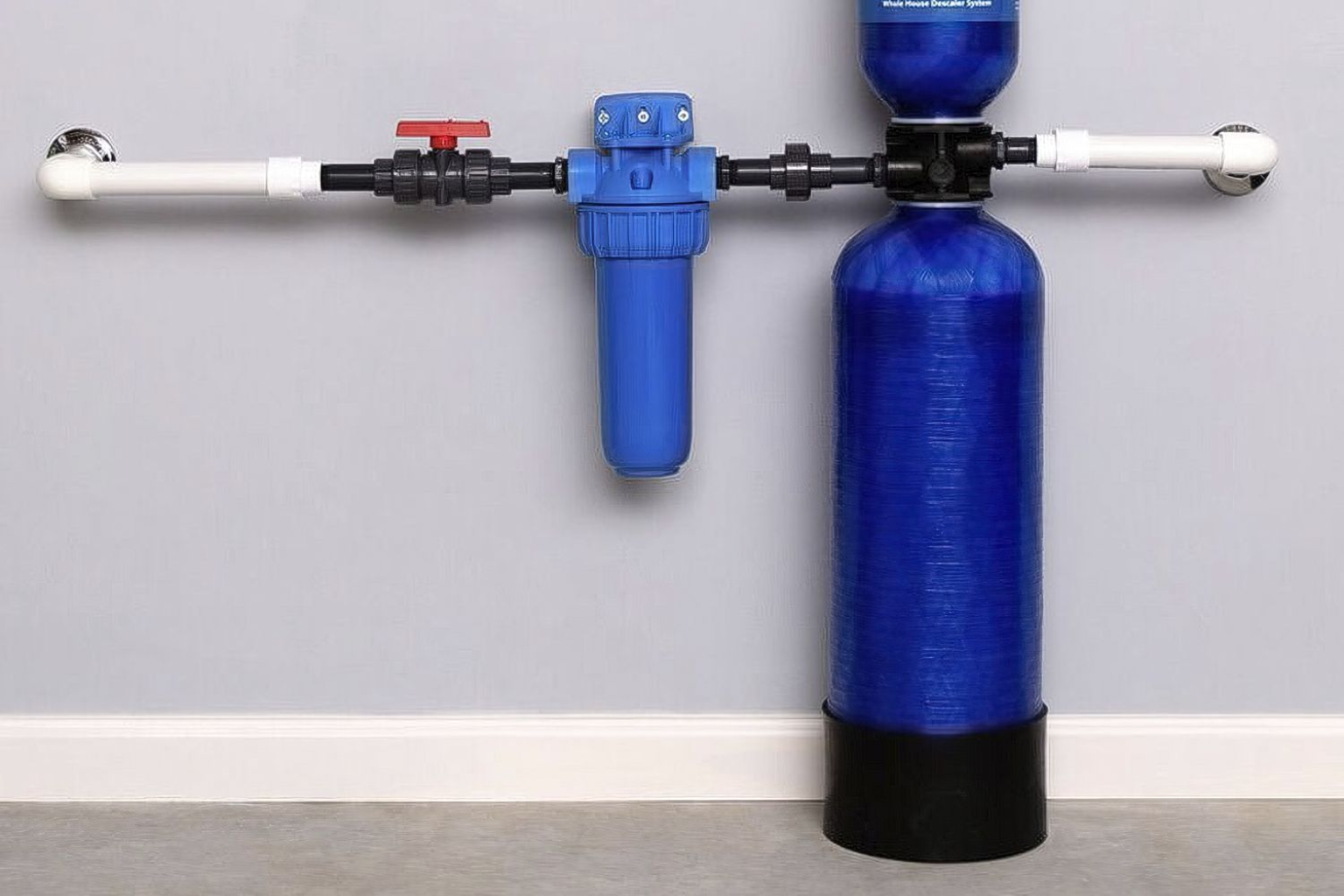
Water treatment systems—whether softeners or scale control devices—require upkeep. Salt refills, occasional inspections, and periodic cleaning are part of the equation.
Skipping maintenance defeats the purpose. A system only works as well as it’s maintained.
Fortunately, most upkeep tasks are straightforward. Once they become routine, they fade into the background—just like the benefits.
Balancing Cost and Long-Term Value
Installing a softening or treatment system involves upfront expense. Equipment, installation, and ongoing supplies all factor in.
But consider what untreated hard water costs over time: appliance wear, energy inefficiency, cleaning products, time spent scrubbing mineral residue.
The value isn’t always dramatic on day one. It accumulates quietly, much like the scale it prevents.
There’s also something intangible about turning on a faucet and not worrying about buildup. About knowing your appliances aren’t under constant mineral stress.
That confidence carries weight.
A Practical Upgrade
Hard water doesn’t demand immediate action. It’s not a flashing red light. It’s more like a slow ticking clock.
Addressing it isn’t about chasing perfection or luxury. It’s about protecting what you already own and smoothing out daily routines.
When water works better, everything else follows—appliances run more efficiently, showers feel more comfortable, and cleaning becomes less of a battle.
It’s not glamorous. It doesn’t earn compliments from guests.
But sometimes the best home improvements are the quiet ones—the ones that work behind the scenes, supporting your home without drawing attention to themselves.
And when you notice fewer spots on your dishes or feel your water heater running smoothly year after year, you’ll realize the upgrade wasn’t dramatic at all.
It was simply smart.