


Most homeowners don’t wake up excited to read a water analysis. It’s not exactly light bedtime reading. Yet every year, municipalities send out documents filled with numbers, chemical names, and abbreviations that sound like high school chemistry class all over again.
The irony? Those pages matter more than we realize.
Water flows through nearly every part of our lives. We cook with it, drink it, shower in it. So when a water quality report lands in your inbox or mailbox, it deserves more than a quick skim before recycling.
The challenge is knowing what you’re actually looking at.
Decoding the Numbers Without a Chemistry Degree
If you’ve ever opened one of these reports, you’ve probably seen tables listing contaminants, maximum allowable levels, and something called “MCL.” It can feel intimidating at first glance.
But here’s the reassuring part: most public water systems meet federal safety standards. The report isn’t necessarily warning you of danger. It’s showing transparency.
Still, transparency without understanding doesn’t help much.
For example, you might see chlorine levels listed in parts per million (ppm). That doesn’t mean your water tastes like a swimming pool. It simply indicates the amount needed to disinfect safely. Similarly, trace levels of certain minerals may appear — iron, manganese, calcium — all common and often harmless in small quantities.
The key is learning the basics of test interpretation. What’s the acceptable limit? How close is your local reading to that limit? Are certain levels trending upward year over year?
Sometimes the numbers are comfortably low. Other times, they’re within legal limits but higher than you’d personally prefer. And that’s okay. Standards define safety, not necessarily optimal taste or personal comfort.
When “Safe” Doesn’t Feel Ideal
Here’s something important to remember: regulatory compliance and personal preference are two different things.
Water can meet every federal guideline and still have a noticeable odor or taste. Chlorine, while essential for disinfection, often leaves a distinct smell. Hard water can create mineral buildup even if it’s technically safe to drink.
This is where homeowners begin thinking about adjustments. Not out of panic, but practicality.
Reading your report carefully allows you to pinpoint whether you’re dealing with cosmetic issues — like hardness or sediment — or something that warrants deeper investigation.
It’s empowering, really. Instead of guessing, you’re making informed choices based on documented data.
Looking Beyond the Municipal Summary
Municipal reports provide a broad overview. But they reflect water quality at the treatment facility — not necessarily what arrives at your specific tap.
Older homes, for example, may have plumbing materials that influence water chemistry after it leaves the main supply line. Corrosion, aging pipes, and local conditions can introduce variations.
For homeowners on private wells, the responsibility is even greater. There’s no annual city report. Testing must be arranged independently.
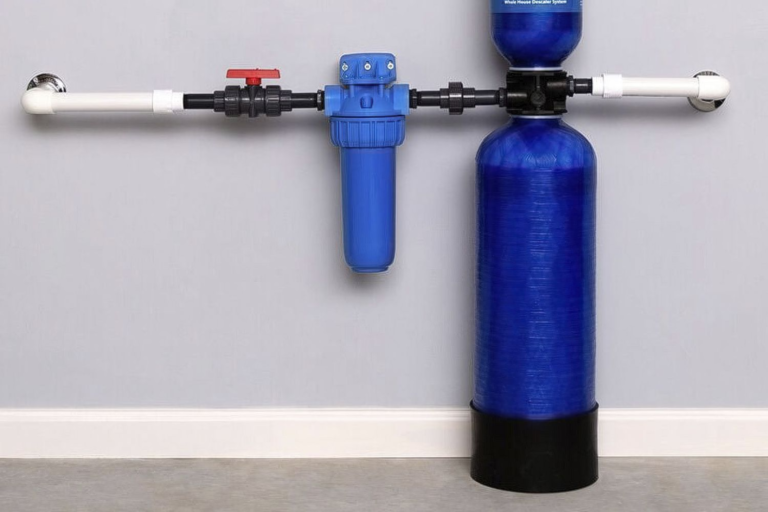
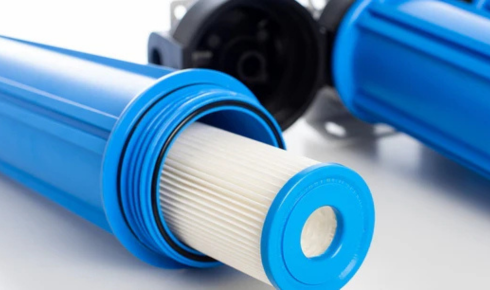
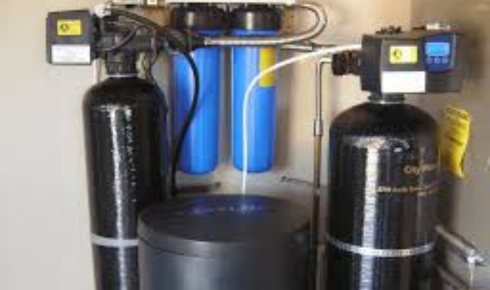
In both cases, understanding your specific results leads naturally to treatment recommendations tailored to your home’s needs. Maybe a simple carbon filter addresses taste concerns. Maybe a water softener prevents mineral buildup. In some cases, no action is needed at all.
The point isn’t to install equipment blindly. It’s to respond thoughtfully.
Common Elements You’ll See in Reports
Let’s break down a few frequent entries you might encounter:
- Chlorine: Added for disinfection. Within limits, it’s safe but can affect taste.
- Hardness (calcium and magnesium): Not harmful but contributes to scale buildup.
- Iron and manganese: Naturally occurring minerals that may stain fixtures.
- Nitrates: Often related to agricultural runoff, particularly in rural areas.
- Lead: Typically introduced through old plumbing rather than the source water itself.
Understanding what each element represents removes the fear factor. It shifts the focus from alarm to awareness.
The Role of Professional Guidance
Sometimes reading a report still leaves you uncertain. That’s where professionals can help.
Certified water specialists can review your data, conduct additional testing if needed, and explain findings in plain language. It’s not about upselling products — at least it shouldn’t be. It’s about clarity.
If additional filtration or treatment is recommended, ask why. What contaminant is being addressed? How does the proposed solution solve it? Are there alternatives?
Good guidance feels collaborative, not pushy.
The Balance Between Data and Peace of Mind
Here’s something I’ve noticed: once homeowners truly understand their water report, their anxiety often decreases.
Knowledge replaces speculation. Numbers replace rumors. Instead of wondering whether something might be wrong, you see the evidence.
In many cases, the conclusion is reassuring. Your water meets standards comfortably. Perhaps a minor aesthetic improvement could enhance taste, but safety isn’t in question.
And if adjustments are needed, they’re targeted and specific — not dramatic overhauls.
Why This Matters More Than We Think
Water may seem mundane, but it’s foundational. Every cup of tea, every pot of soup, every shower relies on it.
Taking the time to read and understand your water analysis is one of the simplest proactive steps you can take as a homeowner. It’s not flashy. It doesn’t show off like new countertops. But it affects daily life quietly and consistently.
When you know what’s in your water, decisions become easier. Whether you choose additional filtration or simply feel reassured, you’re acting from knowledge rather than assumption.
And honestly, that’s the real goal — not perfection, but confidence.
Because at the end of the day, water should be something you trust without hesitation.