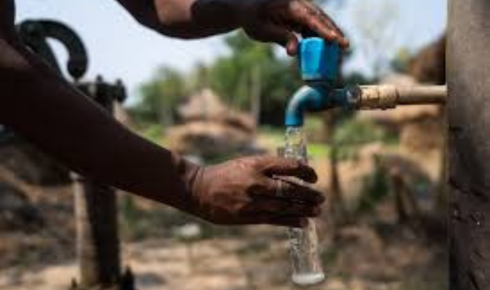





Most of us don’t spend much time thinking about water — at least not in a deliberate way. It’s just there. You turn on a tap, and it flows. You run a shower, fill a kettle, wash dishes. It’s routine, almost automatic. In fact, water is probably one of the most quietly essential parts of our lives — so consistent that we barely notice it.
Until something feels off.
Maybe the pressure drops unexpectedly. Maybe your coffee tastes slightly different one morning. Or you notice your shower leaving your skin feeling dry instead of refreshed. These little signs often reveal something we rarely consider: the condition of the water flowing through our homes plays a much bigger role in everyday comfort than we realize.
And once you start paying attention to it, it’s hard to ignore.
Every Home Has Its Own Water Story
One of the most interesting things about residential water is that no two homes really have the same experience. Even houses in the same neighborhood can have different water conditions.
It depends on many factors — local water sources, plumbing materials, mineral levels, filtration systems, and even seasonal changes.
That’s why a one-size-fits-all solution rarely works when it comes to improving water quality. Each household has unique needs that require thoughtful assessment.
This is where the idea of tailored water care becomes important. Instead of applying generic fixes, tailored solutions address the specific challenges of each home’s water system.
By understanding individual water characteristics, homeowners can create systems that truly improve performance and comfort.
The Everyday Impact of Water Quality
Water quality affects far more than drinking. It influences nearly every activity that involves water in some way.
When water contains excess minerals or impurities, it can leave residue on dishes, reduce soap effectiveness, and contribute to scale buildup inside appliances.
On the other hand, properly treated water enhances cleaning efficiency, protects plumbing systems, and improves overall household maintenance.
Maintaining good home water quality ensures consistent performance across all water uses — from bathing and laundry to cooking and cleaning.
These improvements may seem subtle at first, but over time they contribute significantly to daily comfort.
How Water Systems Work Behind the Scenes
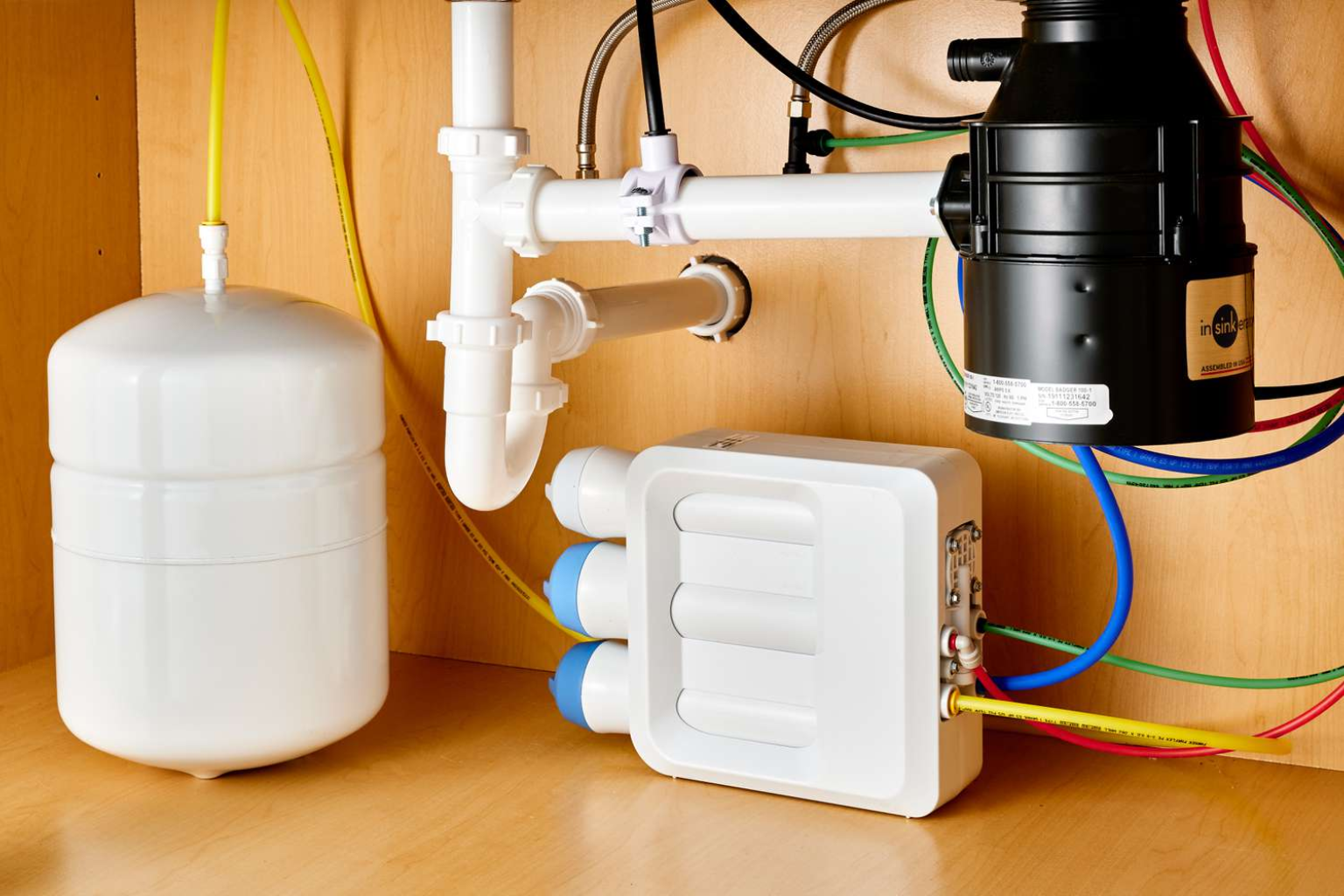
Most homeowners don’t see the infrastructure responsible for delivering clean water. Pipes, filtration units, pressure tanks, and treatment systems operate quietly in the background.
These components must function together seamlessly to provide reliable water flow and consistent quality.
Regular maintenance and system optimization help prevent issues such as pressure fluctuations, contamination risks, and mechanical failures.
Understanding how these systems operate can help homeowners make informed decisions about upgrades and maintenance.
The Benefits of Consistent Performance
Reliable water systems do more than improve convenience — they protect long-term investments.
Consistent water treatment prevents corrosion, reduces scale buildup, and extends the lifespan of appliances and plumbing components.
This contributes to dependable performance across the entire household water network.
When systems operate smoothly, homeowners experience fewer unexpected repairs and lower maintenance costs over time.
Reliable water infrastructure supports both financial efficiency and everyday comfort.
Why Preventive Care Matters
Many water-related problems develop gradually. Minor changes in pressure, taste, or clarity often signal underlying issues.
Routine inspections and water testing help identify these problems early, allowing homeowners to address them before they escalate.
Preventive maintenance may include filter replacements, system cleaning, and equipment calibration.
These proactive steps ensure consistent water quality and reduce the likelihood of sudden disruptions.
Technology Is Improving Water Management
Advances in technology have made residential water systems more efficient and user-friendly.
Modern monitoring tools can track water usage, detect leaks, and analyze water quality in real time.
Some systems provide automated alerts when maintenance is needed, helping homeowners maintain optimal performance without constant oversight.
These innovations make water system management more convenient and reliable.
Environmental Advantages of Efficient Water Systems
Improving water quality at home also supports environmental sustainability.
Efficient treatment systems reduce reliance on bottled water, minimizing plastic waste.
They also help conserve resources by optimizing water usage and reducing energy consumption.
By investing in effective water systems, homeowners contribute to both personal comfort and environmental responsibility.
The Emotional Comfort of Reliable Water
Beyond technical benefits, there’s an emotional aspect to having dependable water systems.
Clean, consistent water creates a sense of reassurance. You don’t worry about unexpected changes or disruptions.
You simply trust that your home’s water will function as expected.
This quiet confidence enhances overall quality of life.
A Foundation Worth Appreciating
Water is often overlooked because it works so reliably — until it doesn’t.
By paying attention to water quality, system performance, and maintenance, homeowners can ensure long-term reliability and comfort.
Investing in tailored solutions and preventive care helps create a stable foundation for everyday living.
Because in the end, water isn’t just a household utility. It’s an essential part of daily life — quietly supporting health, comfort, and peace of mind every single day.