Science projects have always been a creative way to understand how things work in the real world. But some projects go beyond just learning—they actually solve real-life problems. Two great examples are the windmill generator science project and the gas leakage detector. Both are simple enough for students to build, yet powerful enough to demonstrate practical applications of science and technology.
Understanding the Windmill Generator Concept
A windmill generator is a brilliant demonstration of renewable energy. At its core, the idea is simple: convert wind energy into electrical energy. When wind rotates the blades of the windmill, it spins a shaft connected to a small generator or motor. This motion produces electricity through electromagnetic induction.
What makes this project interesting is how it connects theory with reality. You’re not just learning about energy conversion—you’re seeing it happen in front of you. It also opens up discussions about sustainable energy sources, which are becoming more important every year.
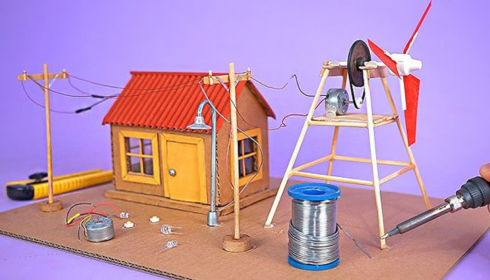
To build a basic model, you typically need lightweight blades (often made from plastic or cardboard), a small DC motor, wires, and a base structure. Once assembled, even a gentle breeze or a fan can get the blades spinning. Watching a small LED light up from that motion feels oddly satisfying—it’s like capturing energy out of thin air.
Why This Project Matters
Renewable energy isn’t just a buzzword. Countries around the world are investing heavily in wind power. By working on a windmill generator, students begin to understand the importance of reducing dependence on fossil fuels. It’s a hands-on way to explore how clean energy solutions actually work.
Beyond that, it teaches problem-solving. You may need to adjust blade angles, test different materials, or experiment with positioning. That trial-and-error process is where real learning happens.
Exploring Gas Leakage Detection
While windmills focus on energy creation, gas detectors focus on safety. A gas leakage detector is designed to identify harmful gases in the air and alert people before things become dangerous. It’s one of those inventions you don’t think about until you need it—and then it becomes critical.
In this project, sensors play the main role. Gas sensors like MQ-series sensors can detect gases such as LPG, methane, or carbon monoxide. When gas concentration exceeds a certain limit, the system triggers an alarm—usually a buzzer or LED.
This project introduces students to electronics and programming, especially if they use microcontrollers like Arduino. It also teaches how sensors interact with the environment, converting physical data (gas presence) into electrical signals.
Real-Life Importance of Gas Detection
Gas leaks can lead to serious accidents, including fires and health hazards. In homes, industries, and laboratories, gas detectors are essential safety tools. By building one yourself, you gain a deeper appreciation for how these devices work and why they are so important.
It’s also a great way to learn about environmental monitoring. Air quality is becoming a growing concern, and projects like this help students understand how technology can be used to make environments safer.
Combining Learning with Innovation
What makes both of these projects stand out is their relevance. One teaches about sustainable energy, while the other focuses on safety and prevention. Together, they cover two major aspects of modern science—efficiency and protection.
Students often find these projects engaging because they can see immediate results. A spinning windmill lighting a bulb or a buzzer going off when gas is detected creates a sense of accomplishment. It’s not just theory anymore—it’s working science.
Final Thoughts
If you’re looking for science projects that are meaningful, practical, and a bit exciting, these two are excellent choices. They don’t just help you score good marks; they help you think differently about the world around you.
The beauty of such projects lies in their simplicity and impact. Whether it’s generating clean energy from wind or preventing accidents through early gas detection, these ideas show how science can directly improve everyday life. And once you build them yourself, you don’t just understand the concept—you remember it.