






There’s something oddly comforting about turning on a faucet and knowing water will flow. No drama. No surprises. Just that steady stream we’ve come to rely on without a second thought.
But here’s the thing—water doesn’t just pass through your home. It interacts with it. Constantly. It runs through pipes, settles inside appliances, touches heating elements, fills tanks, and evaporates on surfaces. And over time, those interactions leave a mark.
Most of the time, we don’t notice what’s happening behind the walls. Until we do.
The Hidden Cost of “Good Enough” Water
Maybe your dishwasher isn’t cleaning quite as well as it used to. Maybe your water heater seems louder. Maybe your energy bills have crept up a little without a clear explanation.
These aren’t always mechanical failures. Often, they’re gradual consequences of mineral content, sediment, or scale forming where you can’t see it.
Water that’s even moderately hard carries calcium and magnesium. As water heats or evaporates, those minerals settle and harden. Inside pipes. On heating elements. Along valves and connectors.
That accumulation doesn’t announce itself. It builds layer by layer, quietly narrowing passageways and insulating components that are meant to transfer heat efficiently.
And that’s where performance begins to slip.
Small Adjustments, Big Impact
Improving your water setup isn’t about installing the most complex system available. It’s about identifying friction points and addressing them intelligently.
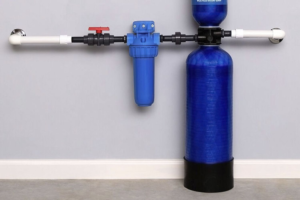
In many homes, simple filtration paired with mineral management can improve system efficiency in surprisingly noticeable ways.
When heating elements stay clean, water warms faster. When pipes remain clear, pressure remains steady. When filters catch sediment before it circulates, downstream components last longer.
None of this is flashy. But it’s practical.
Water systems perform best when they’re not fighting invisible obstacles.
Appliances Feel It First
If you’ve ever replaced a water heater sooner than expected or called a technician for a dishwasher that just “isn’t working like it should,” you’ve likely encountered the ripple effects of untreated water.
Scale on heating elements forces them to work harder. That extra strain leads to overheating and premature wear. Washing machines exposed to mineral-heavy water often require more detergent to achieve the same results.
That’s why water treatment isn’t just about comfort—it’s about durability. Proper filtration and softening help protect appliances that represent significant investments in your home.
And let’s be honest. Replacing a dishwasher is a lot more inconvenient than replacing a filter cartridge.
The Battle Against Buildup
Mineral scale isn’t the only culprit. Sediment and debris also play a role.
After heavy rain or municipal repairs, tiny particles can enter water lines. In well systems, sand and silt may be naturally present. Over time, these particles settle in fixtures and clog aerators.
Targeted filtration helps reduce buildup before it reaches critical components.
A sediment pre-filter is often the unsung hero of a water system. It catches what you can’t see but would definitely feel later—through reduced pressure or frequent maintenance calls.
It’s a small addition that prevents bigger headaches.
Maintenance Isn’t Complicated
There’s a misconception that water treatment systems are high-maintenance. In reality, they’re fairly straightforward.
Check salt levels if you have a softener. Replace filters as recommended. Inspect for leaks or unusual noises. That’s about it.
Most performance issues stem not from system design but from neglect. Filters left unchanged. Resin beds left unregenerated. Pre-filters ignored until they’re clogged.
Consistency matters more than complexity.
Testing Before Tinkering
If you’re unsure where to begin, start with a water test.
Hardness levels, sediment presence, pH balance—these metrics tell a story. Without them, improvements are guesses. With them, solutions become precise.
You might discover that hardness is mild and only minor filtration is needed. Or you might find that mineral levels are higher than expected, justifying a softener installation.
Data keeps decisions grounded.
Energy Efficiency You Can’t See
One of the most overlooked aspects of water treatment is its relationship to energy use.
Scale buildup acts like insulation around heating elements. The thicker the scale, the harder those elements must work to heat water. That translates into longer cycles and higher energy consumption.
Maintaining clean internal surfaces through proper treatment reduces that inefficiency. The savings may not appear overnight, but over years, they accumulate.
Sometimes, the smartest upgrades are the ones that quietly lower costs in the background.
A Balanced Perspective
It’s easy to swing between extremes—either ignoring water entirely or obsessing over every potential impurity.
The sweet spot is somewhere in the middle.
Most water systems are safe and functional. But optimizing them makes everyday life smoother. Less maintenance. More consistent performance. Fewer surprises.
You don’t need to overhaul everything at once. Small, thoughtful improvements go a long way.
Final Thoughts
Water is foundational. It touches every part of your home, from the pipes in the walls to the appliances in your kitchen.
When treated properly, it helps systems run efficiently and quietly. When ignored, it slowly erodes performance.
Improving system efficiency, protecting appliances, and reducing buildup aren’t dramatic goals—but they’re practical ones.
And sometimes, practical improvements are the ones that matter most.
Because when your water system works the way it should, you don’t notice it.
You just enjoy the benefits.