

There’s a moment most homeowners remember. It’s usually small. You pour a glass of water expecting something refreshing, but instead, you hesitate. Maybe it tastes slightly metallic. Maybe there’s a faint odor. Or perhaps you notice stubborn white spots clinging to your dishes no matter how carefully you wash them.
At first, you brush it off. It’s just water, right?
But over time, these little clues start adding up. Soap doesn’t lather like it should. Laundry feels stiff. Shower glass develops cloudy streaks that never fully disappear.
Eventually, you start wondering whether your home’s water is quietly working against you instead of for you.
The Hidden Reality of Hard Water
In many growing communities, groundwater sources naturally contain high levels of dissolved minerals like calcium and magnesium. These minerals aren’t harmful to drink, but they can create a range of everyday frustrations.
Hard water leaves residue on fixtures, clogs pipes over time, and reduces the efficiency of appliances that rely on heated water.
You might notice that your water heater struggles to keep up. Or that your dishwasher seems to work twice as hard for half the results.
These issues rarely happen overnight—they build slowly, making it easy to overlook their cause.
Local Solutions for Local Water Conditions
What many homeowners don’t realize is that water conditions vary widely by location. Even neighboring communities can experience completely different mineral levels depending on local geology and water sources.
That’s why choosing solutions tailored to your area makes such a difference.
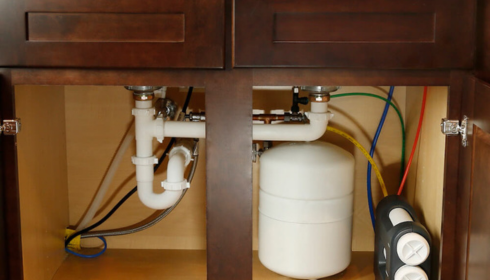
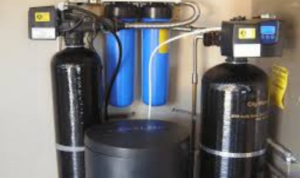
For residents dealing with regional mineral-heavy supplies, installing a manor tx water softener often becomes a turning point. These systems are designed specifically to address the hard water conditions commonly found in that area.
Instead of relying on generic treatment approaches, local solutions focus on real water characteristics—making them far more effective in the long run.
How Water Softening Changes Daily Life
The benefits of water softening aren’t dramatic at first. They’re subtle, almost quiet. But once you notice them, they’re hard to forget.
Soap starts lathering easily again. Hair feels softer after washing. Dishes dry without spots. Clothes come out of the laundry feeling fresh rather than stiff.
Even your skin may feel less dry after showers.
What surprises many people most is how much easier everyday cleaning becomes. Softened water helps detergents work more efficiently, reducing both effort and product usage.
It’s one of those improvements that quietly simplifies daily routines.
Why One-Size-Fits-All Systems Don’t Always Work
Water treatment isn’t a universal formula. Different homes face different challenges depending on water source, plumbing infrastructure, and usage patterns.
Some households deal primarily with mineral hardness. Others struggle with sediment, chlorine taste, or trace contaminants.
That’s where custom water systems come into play.
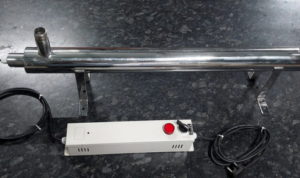
These solutions are designed based on detailed water testing and individual household needs. Instead of addressing just one issue, they provide comprehensive treatment tailored to specific conditions.
This personalized approach often delivers better performance and long-term reliability compared to standard off-the-shelf systems.
The Role of Filtration in Safe Drinking Water
While softening addresses mineral content, many homeowners also want to improve the taste and purity of their drinking water.
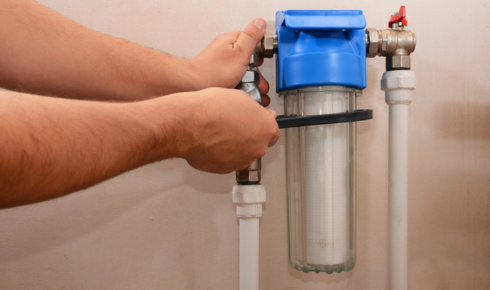
This is where water filtration becomes essential.
Filtration systems remove sediments, chlorine, and other impurities that can affect both flavor and overall water quality. For families, this often leads to noticeable changes in hydration habits.
Water tastes cleaner. Cooking becomes more enjoyable. Even coffee and tea can taste significantly better.
Perhaps most importantly, filtration provides peace of mind—knowing the water you consume daily meets higher standards of purity.
Protecting Appliances and Reducing Costs
One of the less obvious benefits of water treatment involves protecting your home’s infrastructure.
Hard water buildup can reduce the efficiency of appliances like water heaters, washing machines, and dishwashers. Over time, this leads to higher energy consumption and more frequent repairs.
By addressing these issues early, water treatment systems can extend appliance lifespan and reduce maintenance costs.
It’s an investment that pays off gradually, often saving homeowners more than they expect.
A Healthier, More Comfortable Home Environment
Clean, well-treated water doesn’t just improve convenience—it enhances overall comfort.
Better water quality supports healthier skin and hair, reduces cleaning frustrations, and ensures drinking water is safe and enjoyable.
It also contributes to a more pleasant home environment by eliminating odors and preventing mineral stains.
These improvements may seem small individually, but together they create a noticeable shift in everyday living.
Making the First Step Toward Better Water
For many homeowners, the journey toward better water begins with a simple step: testing.
Professional water testing provides clear insight into mineral levels, contaminants, and overall water quality.
From there, tailored recommendations can ensure treatment systems address real needs rather than guesswork.
Working with experienced local providers often leads to smoother installation and better long-term performance.
A Quiet Upgrade That Changes Everything
Unlike visible home improvements, water treatment works silently in the background.
You don’t see it happening. You simply experience the results—in softer laundry, cleaner dishes, smoother showers, and fresher-tasting water.