



There’s a certain rhythm to everyday life that we barely notice—until something interrupts it. Laundry is one of those quiet routines. Toss in a load, press a button, move on. It’s simple, predictable… almost invisible.
But when the dryer starts acting up, that rhythm breaks. Suddenly, you’re dealing with damp clothes, extended drying times, or worse—loads that just don’t dry at all.
And it’s strange how quickly such a small inconvenience can turn into a real frustration.
It’s Rarely a Sudden Failure
Most dryers don’t just stop working overnight. They hint at trouble first. Maybe your clothes take a little longer to dry than usual. Maybe the machine feels hotter than it should, or there’s a faint noise you can’t quite place.
We tend to ignore these signs. Life’s busy. You think, “It’s probably nothing.”
But those small signs are often the beginning of something bigger. A blocked vent, a worn-out component, or even a sensor that’s not reading correctly anymore.
Catching these early can save you a lot of trouble later. It’s not about being overly cautious—it’s about paying attention to patterns.
Why Timing Matters More Than You Think
When your dryer isn’t working properly, waiting too long to fix it can make things worse. What starts as a minor issue can slowly affect other parts of the machine.
And let’s be honest—no one wants to deal with a backlog of laundry.
This is where rapid scheduling options become incredibly valuable. Being able to book a repair without jumping through hoops or waiting days for availability makes a real difference.
It’s not just about convenience. It’s about preventing small problems from turning into expensive repairs. A quick response often means a simpler fix.
And in a way, that kind of efficiency feels like a relief.
The Problem Isn’t Always What You Expect
One of the most confusing things about dryer issues is how misleading they can be.
Clothes not drying? You might assume it’s a heating problem. But sometimes, the heat is working perfectly fine. The real issue could be airflow, moisture sensors, or even something as simple as overloading the drum.
Dryers are interconnected systems. When one part struggles, the whole machine feels it.
That’s why guessing rarely works. You might fix one thing, but the underlying problem remains.
And that’s where proper evaluation becomes essential.
Experience Changes the Entire Process
There’s a noticeable difference when someone experienced looks at your dryer. They don’t just check the obvious—they understand how the machine behaves as a whole.
They listen to the sounds, observe the cycle, and connect the dots in a way that isn’t always obvious to the average homeowner.
This is what makes experienced dryer diagnosis so important. It’s not just about identifying a faulty part; it’s about understanding why it failed in the first place.
That deeper understanding leads to better repairs—ones that last longer and prevent repeat issues.
It’s the difference between a temporary fix and a proper solution.
Airflow: The Hidden Factor Most People Overlook
If there’s one thing that causes more dryer problems than people realize, it’s airflow.
Lint buildup doesn’t just sit in the filter. It travels—into vents, ducts, and hidden areas of the machine. Over time, it restricts airflow, making it harder for heat to circulate.
The result? Longer drying times, overheating, and unnecessary strain on the system.
Cleaning the lint trap after every load is important, sure. But it’s only part of the picture.
A deeper inspection—checking the entire ventilation path—can reveal issues that aren’t immediately visible.
And fixing those can dramatically improve performance.
DIY Fixes: Helpful, But Limited
There’s no denying the appeal of fixing things yourself. A quick search, a tutorial, and a bit of confidence—it feels empowering.
And sometimes, it works.
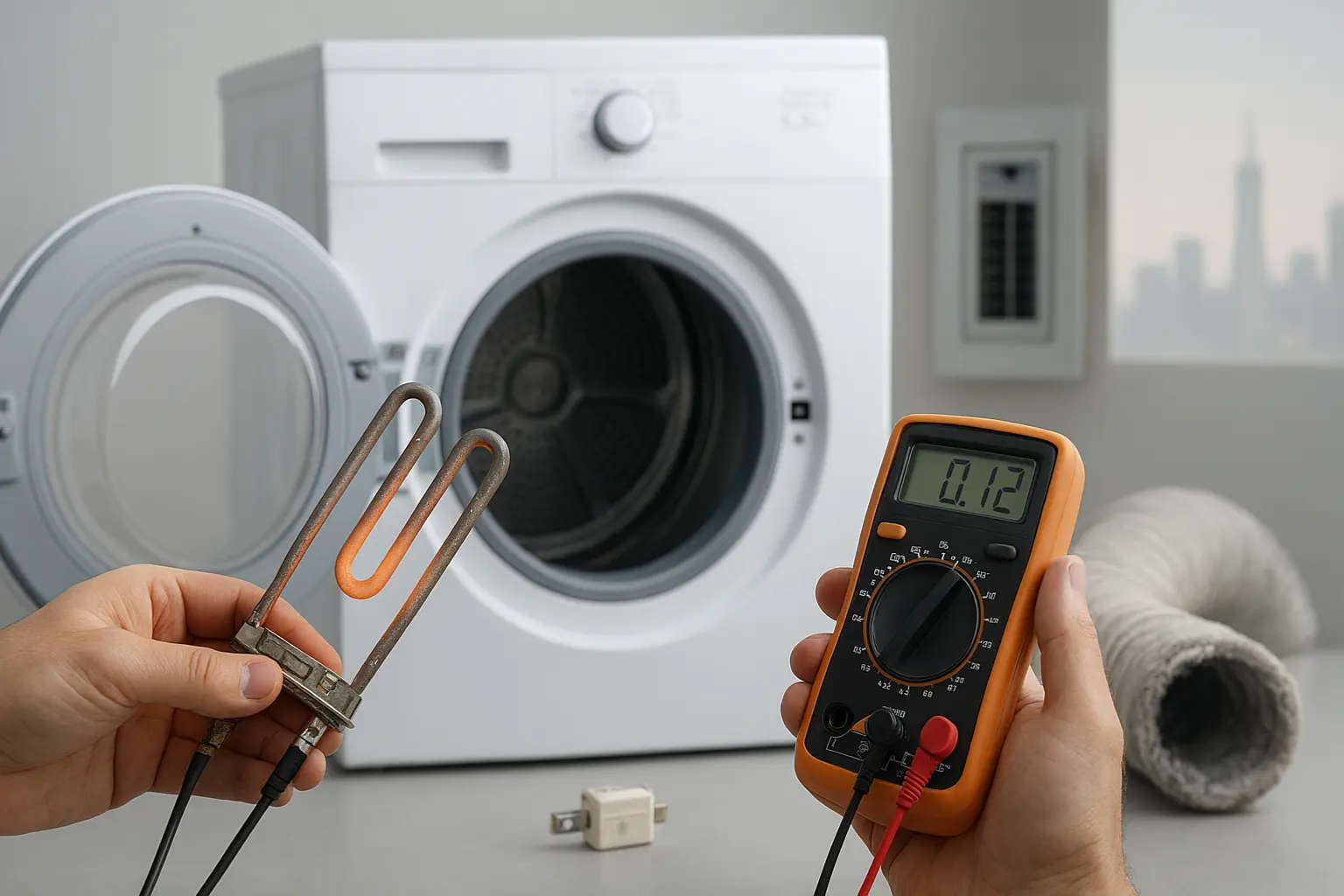
Basic maintenance, like cleaning filters or checking for obvious blockages, is absolutely worth doing. But when it comes to internal components or electrical systems, things get complicated.
One wrong move can lead to bigger issues—or even safety risks.
It’s not about discouraging DIY efforts. It’s about knowing where to draw the line.
Maintenance Isn’t Just a Suggestion
Most dryer problems are preventable. That’s the part many people overlook.
Regular cleaning, occasional inspections, and paying attention to how your dryer behaves can go a long way. It doesn’t take much effort, but it makes a noticeable difference.
Think of it as small check-ins rather than major tasks.
Because once a problem develops, fixing it is always more complicated than preventing it.
Repair vs Replacement: Making the Right Call
When your dryer stops working, it’s easy to assume you need a new one. But that’s not always the case.
Many issues—heating problems, airflow restrictions, sensor failures—can be fixed without replacing the entire unit.
The key is understanding the severity of the problem.
A good technician will give you an honest assessment. Not every repair is worth it, but many are. And knowing the difference can save you a lot of money.
Back to Normal, Without the Stress
There’s a quiet satisfaction in getting your dryer back to working condition. Clothes come out warm and dry. Towels feel soft again. The routine returns to normal.
It’s not something you celebrate—but you notice it.
Because when things work the way they should, life feels just a little bit easier.
And maybe that’s the real value of a good repair. Not just fixing what’s broken, but restoring that everyday sense of ease we often take for granted.