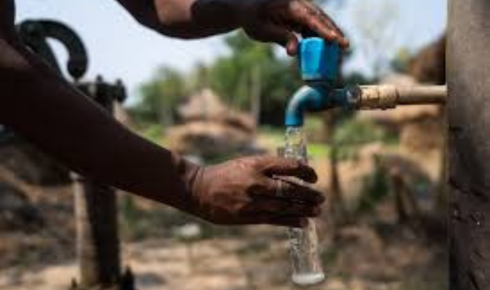

Most of us rarely think about water until something goes wrong. The tap slows down unexpectedly. The water starts tasting different. Or perhaps a piece of equipment in a factory stops working because scale buildup has quietly been growing for months.
Water is one of those invisible essentials — it flows in the background of life, supporting homes, businesses, and entire industries without demanding attention. Yet behind that simplicity lies an intricate network of treatment technologies designed to keep water safe, efficient, and consistent.
The truth is, modern water systems are far more advanced than many people realize. They combine engineering, chemistry, and automation to ensure reliability at every level, from drinking water safety to large-scale industrial operations.
And once you start understanding how these systems work, it’s hard not to appreciate the complexity behind something that seems so ordinary.
Why Water Quality Challenges Continue to Evolve
Water quality issues aren’t static. Environmental conditions change. Infrastructure ages. Industrial processes introduce new contaminants. Even natural mineral composition varies widely depending on geographic location.
As industries grow and urban populations expand, water systems must adapt to increasing demand while maintaining safety standards.
This ongoing evolution is one reason why water treatment technologies continue advancing. What worked decades ago often isn’t sufficient for today’s needs.
Modern systems must address a broader range of challenges — from microbial safety to mineral management to large-scale operational efficiency.
The Role of Disinfection in Water Safety
One of the most critical aspects of water treatment involves eliminating harmful microorganisms. Bacteria, viruses, and other pathogens can pose serious health risks if not properly controlled.
Traditional chemical disinfection methods remain effective, but they sometimes leave residual tastes or byproducts.
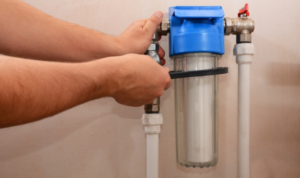
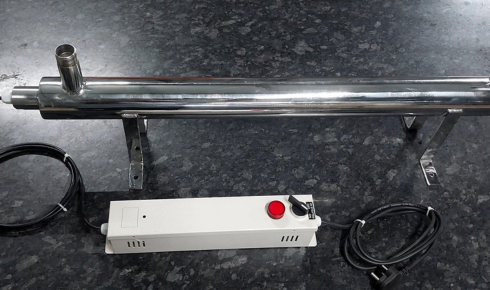
This is why many facilities now rely on uv water treatment technology. By using ultraviolet light to neutralize microorganisms, UV systems provide effective disinfection without adding chemicals to the water supply.
These systems operate quietly and efficiently, making them suitable for both residential and commercial applications.
UV technology represents a significant advancement in modern water safety.
Understanding Water Treatment in Industrial Settings
While residential water treatment focuses on comfort and safety, industrial applications present entirely different challenges. Factories, processing plants, and manufacturing facilities often require highly specific water conditions.
Mineral content, temperature stability, and chemical composition all influence equipment performance and product quality.
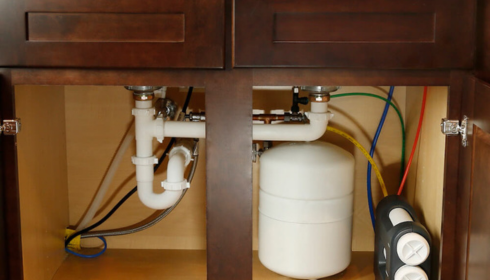
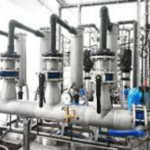
This is where industrial water systems become essential. These large-scale treatment setups are designed to handle high volumes while maintaining precise water characteristics.
Without proper industrial treatment, equipment can fail prematurely, energy costs can rise, and production quality may suffer.
Water management in industrial environments is as much about efficiency as it is about safety.
Managing Hardness in High-Demand Applications
Hard water remains one of the most common challenges across both residential and industrial environments. Calcium and magnesium minerals can accumulate inside pipes, boilers, and processing equipment, reducing efficiency and increasing maintenance needs.
Advanced softening systems are designed to address this issue effectively.
Many facilities utilize h-300 series softeners engineered for high-capacity performance. These systems help prevent scale buildup, extend equipment lifespan, and improve operational reliability.
Softening technology plays a crucial role in protecting infrastructure and maintaining consistent system performance.
The Financial Benefits of Effective Water Treatment
Investing in modern water treatment systems often results in significant long-term savings. Proper treatment reduces equipment wear, lowers energy consumption, and minimizes maintenance requirements.
In industrial environments, even small improvements in water efficiency can translate into substantial cost reductions.
Preventive water management helps avoid expensive repairs and downtime, which can disrupt operations and affect productivity.
Reliable water systems support financial stability as much as operational efficiency.
Environmental Considerations in Modern Water Systems
Sustainability has become an increasingly important factor in water treatment. Modern technologies are designed to minimize chemical usage, reduce waste, and improve energy efficiency.
Advanced filtration and softening systems often operate with lower environmental impact compared to older methods.
Efficient water management also supports conservation efforts by reducing unnecessary consumption.
Environmental responsibility is now closely linked to effective water treatment practices.
The Human Element Behind Reliable Water Systems
While advanced technology plays a central role in water treatment, human expertise remains equally important.
Engineers, technicians, and system operators monitor performance, conduct maintenance, and ensure compliance with safety standards.
Their work often goes unnoticed because successful water systems operate quietly in the background.
Yet their expertise ensures that water remains safe, consistent, and reliable for both residential and industrial use.
Practical Steps for Maintaining Water System Efficiency
Whether in homes or industrial facilities, proper maintenance is essential for long-term performance.
Key practices include:
- Regular system inspections
- Monitoring water pressure and flow rates
- Replacing filtration components as recommended
- Conducting periodic water quality testing
These steps help preserve efficiency and prevent unexpected issues.
Consistency remains the foundation of reliable water management.
A Final Thought: Appreciating the Systems We Rarely See
Water systems rarely demand attention when they function properly. They work quietly, supporting daily life and complex operations without interruption.
Yet behind that simplicity lies a network of technologies designed to protect safety, improve efficiency, and support sustainability.
Understanding how modern water treatment works offers a new perspective on something we often take for granted.
Because ultimately, reliable water isn’t just a convenience.
It’s the result of careful engineering, ongoing innovation, and dedicated expertise working together — quietly ensuring that one of life’s most essential resources continues to flow smoothly every single day.