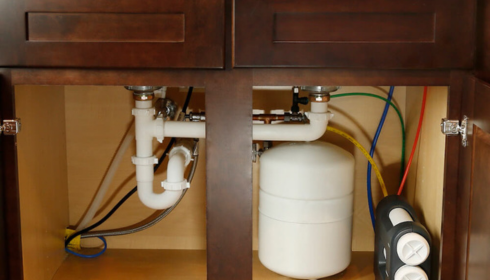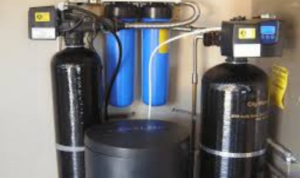


Most homeowners think about water filtration only when they first install a system. But what truly determines how well it performs over time isn’t the equipment itself — it’s the small, routine maintenance steps that often go unnoticed.
There’s something satisfying about having a water filtration system at home. You turn the tap and feel confident that the water is cleaner, clearer, and better tasting. It becomes part of everyday life so quickly that you almost forget it’s there.
And that’s exactly where the problem begins.
Because when something works quietly in the background, it’s easy to forget it needs attention. Months pass, sometimes even years, without anyone checking the internal components that keep everything running.
Then slowly, things start to change.
Water pressure might drop slightly. The taste may feel different. You might notice faint particles in a glass that weren’t there before.
None of these signs feel urgent — but they’re often early indicators that your system needs maintenance.
Why Sediment Filters Play a Bigger Role Than You Think
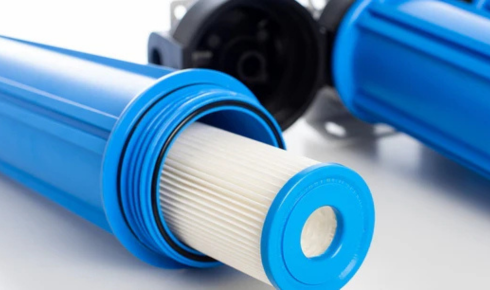
One of the most important parts of any water filtration setup is the sediment filter.
This filter acts as the first line of defense, capturing dirt, rust, sand, and other physical particles before water moves through additional filtration stages.
Without it, downstream filters can become clogged much faster.
Over time, sediment filters fill with trapped debris, reducing their effectiveness and restricting water flow. That’s why regular sediment cartridge replacement is essential for maintaining consistent water clarity and pressure.
It’s a simple step, but it protects the entire system from unnecessary strain.
The Hidden Impact of Clogged Filters
When sediment filters aren’t replaced on time, the effects often extend beyond just reduced water flow.
Clogged filters force water systems to work harder to push water through restricted pathways. This can increase pressure on internal components like valves and pumps.
In some cases, untreated particles may bypass filtration entirely, entering plumbing systems and causing long-term damage.
These issues don’t appear overnight — they develop gradually, making them easy to overlook.
But addressing them early can prevent much larger problems later.
Understanding the Role of Specialized Filters
While sediment filters handle physical particles, many water systems also include specialized filters designed to target specific contaminants.
These may include carbon filters for chlorine removal, iron filters for well water, or chemical-specific media for addressing unique water quality challenges.
Maintaining these components requires careful attention.
Regular specialty filter maintenance ensures that each filtration stage continues to function effectively without becoming saturated or ineffective.
Unlike sediment filters, which primarily affect flow, specialty filters directly influence water taste, odor, and chemical balance.
Their upkeep plays a crucial role in preserving overall water quality.
Why Maintenance Directly Affects System Longevity
Many homeowners assume that once a filtration system is installed, it will function reliably for years without much intervention.
In reality, consistent maintenance is what determines how long a system lasts.
Neglecting filter replacements can lead to increased wear on internal components, reduced efficiency, and potential system failure.
Proper upkeep helps preserve system performance, ensuring that water treatment continues to deliver expected results without interruptions.
It also helps prevent costly repairs by identifying minor issues before they escalate.
The Subtle Signs Your System Needs Attention
Water filtration systems rarely fail suddenly. Instead, they send subtle signals when maintenance is overdue.
Some common signs include:
- Decreased water pressure
- Changes in water taste or odor
- Increased noise during filtration cycles
- Visible particles in water
Because these changes occur gradually, many homeowners adapt to them without realizing they indicate maintenance needs.
Recognizing these early warning signs can help prevent more serious issues down the line.
The Convenience of Scheduled Maintenance
One of the easiest ways to ensure consistent filter care is by following a maintenance schedule.
Many systems include manufacturer guidelines specifying recommended replacement intervals for different filter types.
Some homeowners choose to handle maintenance themselves, while others prefer professional service to ensure proper installation and performance testing.
Either approach can be effective as long as maintenance remains consistent.
The Financial Benefits of Regular Filter Care
Routine filter replacement may seem like an ongoing expense, but it often results in long-term savings.
Maintained systems operate more efficiently, reducing energy consumption and minimizing wear on components.
They also help prevent plumbing damage caused by sediment buildup, which can lead to costly repairs.
In this sense, regular maintenance acts as preventative care for both water systems and household infrastructure.
The Emotional Comfort of Reliable Water Quality
Beyond practical benefits, there’s also a human side to maintaining filtration systems.
Knowing that your water system is functioning properly provides peace of mind. You trust the water you drink, cook with, and use daily.
This confidence enhances everyday comfort in ways that are easy to overlook.
Until, of course, it’s gone.
Why Maintenance Is Often Overlooked
Despite its importance, water system maintenance is one of the most commonly neglected household tasks.
Unlike visible chores like cleaning or landscaping, filter upkeep happens out of sight, making it easy to forget.
But understanding its impact can shift this perspective.
Maintenance isn’t just about replacing parts — it’s about preserving the benefits that filtration systems provide.
The Bigger Picture: Small Efforts, Big Impact
At its core, water filtration maintenance isn’t complicated.
It involves simple, routine actions that ensure systems continue operating effectively over time.
These small efforts prevent larger problems, protect investments, and maintain consistent water quality throughout the home.
And often, they make a bigger difference than homeowners initially expect.
The Bottom Line: Consistency Keeps Everything Flowing
Water filtration systems offer significant improvements in taste, clarity, and safety.
But achieving these benefits over the long term requires consistent care and attention.
By replacing sediment filters regularly, maintaining specialty components, and monitoring system performance, homeowners can ensure their filtration systems deliver reliable results for years to come.