




For many homeowners, having a private well is simply part of life. You turn on the faucet, fill a glass, take a shower, and go about your day. There’s no reason to think much about where the water came from—until something changes.
Maybe the water develops a strange smell. Perhaps there are orange stains around the sink, cloudy glasses after washing, or a noticeable metallic taste. Sometimes the problem is obvious. Other times, it’s subtle enough that you wonder whether you’re imagining it.
These are common reasons homeowners start looking more closely at their well water. The good news is that most concerns become much easier to understand once you stop guessing and start testing.
Why Well Water Can Be Unpredictable
Groundwater doesn’t have a fixed recipe. It moves through soil, sand, gravel, and rock before reaching a private well. Along the way, it can pick up naturally occurring minerals and other substances.
Local geology plays a big role, too. Two neighboring properties can have wells with noticeably different water characteristics.
Weather can also make a difference. Heavy rainfall, flooding, drought, or changes in groundwater levels may influence conditions around a well.
This doesn’t mean private well water is automatically problematic. Plenty of households use wells successfully for decades. It simply means that well owners need to understand and monitor their own water.
Common Well Water Problems to Watch For
Some well water problems are easy to recognize.
Iron may leave reddish or orange stains on sinks and laundry. Hard water can create white mineral deposits on faucets and showerheads. Sulfur compounds may produce an unpleasant rotten-egg smell.
Sediment is another concern. You might notice tiny particles floating in a glass or collecting around faucet aerators.
There can also be concerns that aren’t visible at all. Certain substances can’t be detected reliably by sight, smell, or taste, which is why regular testing is more useful than relying solely on your senses.
Why Water Testing Matters
One of the smartest things a well owner can do is arrange appropriate water testing.
Testing gives you actual information instead of assumptions. Depending on the circumstances, tests may examine characteristics such as pH, hardness, iron, manganese, nitrate, and microbial indicators.
The exact testing schedule and parameters can vary based on location, well type, environmental conditions, and local guidance.
For homeowners, the important point is simple: don’t choose treatment equipment before you understand what you’re treating.
A filter that works beautifully for sediment may do very little for dissolved minerals. A softener designed for hardness isn’t a universal solution either.
Your Water Can Change Over Time
A test result from several years ago shouldn’t necessarily be treated as a permanent guarantee.
Wells and groundwater conditions can change. Construction nearby, flooding, damage to well components, changes in land use, or other environmental events can potentially affect water conditions.
That’s why monitoring matters.
If your water suddenly changes color, taste, odor, or appearance, take the change seriously enough to investigate it. You don’t need to panic, but you also shouldn’t simply ignore it.
Sometimes the cause is minor. Sometimes it points to a larger issue that deserves professional attention.
Understanding Hard Water
Hard water is one of the more common concerns among well owners.
It contains calcium and magnesium, which can create scale on plumbing fixtures and appliances. You may notice spots on dishes, reduced soap lather, or mineral buildup around faucets.
A water softener can often help with these hardness-related issues.
But before installing one, test the water and determine how hard it actually is. There’s little value in buying a large system without understanding the level of hardness you’re dealing with.
It’s better to match the equipment to the household’s actual needs.
Iron and Those Annoying Orange Stains
Iron can be especially frustrating because the water may look perfectly normal when it first comes from the tap.
As dissolved iron comes into contact with oxygen, however, it can oxidize and leave reddish or brown staining.
You might notice it in toilets, bathtubs, sinks, or freshly washed clothes.
The appropriate treatment depends on the concentration and form of iron present. Some systems are designed for specific iron conditions, while others may combine multiple treatment stages.
This is another reason testing should come before shopping.
What Causes a Rotten-Egg Smell?
A rotten-egg odor is often associated with hydrogen sulfide or other sulfur-related conditions.
The smell can be particularly noticeable when using hot water. In some situations, the water heater can contribute to the issue, while in others the source may be the well or groundwater itself.
Don’t assume that installing a random filter will solve it.
If the smell is persistent, determine where it occurs and have the water evaluated. Knowing whether the odor comes from hot water, cold water, one fixture, or the entire house can provide useful clues.
Sediment Can Affect More Than Appearance
Sand, silt, rust particles, and other material can enter well water under certain conditions.
A small amount of sediment may seem harmless, but recurring particles can clog faucet aerators and filtration equipment. They may also reduce water flow or create problems for appliances.
A sediment filter can help capture particles, but frequent or sudden sediment should still be investigated.
If your filters are becoming clogged far faster than expected, there may be an underlying issue with the well, plumbing, or incoming water.
Choosing the Right Water Treatment Systems
Modern water treatment systems can address a wide range of concerns, but they don’t all work in the same way.
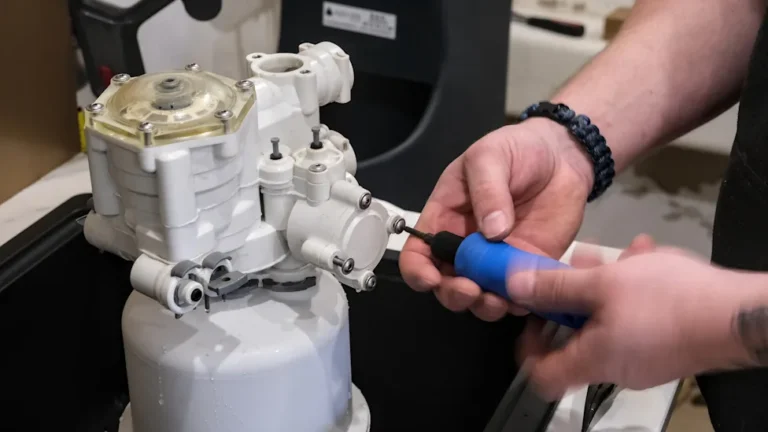
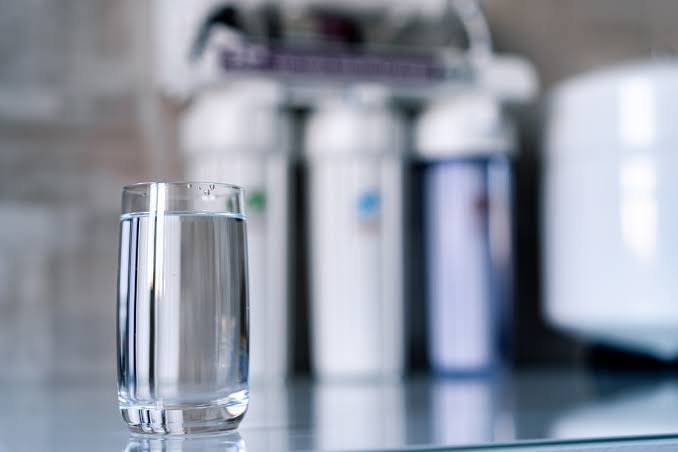
Water softeners are generally designed for hardness. Sediment filters capture particles. Activated carbon can help with certain taste and odor concerns. Reverse osmosis can reduce many dissolved substances, while other specialized technologies address specific water conditions.
Sometimes a household needs more than one treatment stage.
That’s perfectly normal.
The key is to build a system around actual test results instead of buying equipment because it has the longest list of features.
Don’t Forget the Well Itself
Homeowners sometimes focus so much on filtration that they forget about the well.
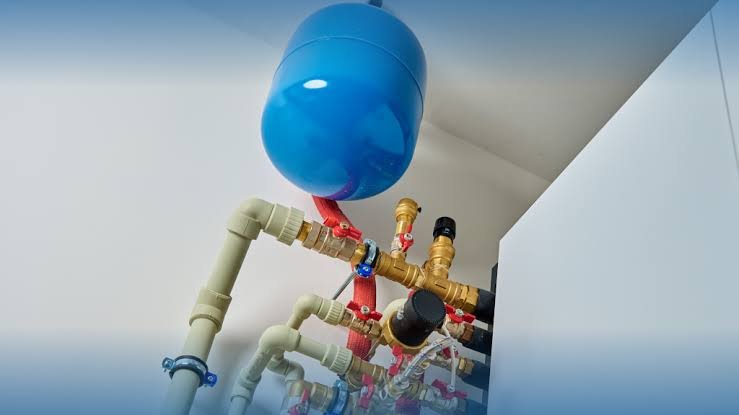
The well cap, casing, pump, pressure tank, surrounding drainage, and other components all deserve appropriate attention.
If water conditions change suddenly, treatment equipment may not be the only thing worth checking.
A damaged well component or environmental issue can continue causing problems even after you install a new filter.
In other words, treat the source—not just the symptom.
Maintenance Makes a Difference
Once treatment equipment is installed, regular maintenance becomes part of owning it.
Filters need replacement. Some systems need cleaning or servicing. Water softeners may require salt or other routine care, depending on their design.
Keep track of service dates and filter changes. It’s a small habit, but it makes household maintenance much easier.
And if something suddenly changes—water pressure, taste, odor, or appearance—don’t wait months to investigate.
When Professional Help Is Worth Considering
Some simple filter changes are easy enough to handle yourself. More complicated water issues are different.
Persistent odors, significant staining, recurring sediment, unusual test results, or sudden changes after flooding may justify professional evaluation.
A qualified water professional can help interpret test results and determine whether the issue comes from the well, plumbing, or treatment equipment.
That can save you from buying one product after another and hoping something works.
Better Well Water Starts With Knowing Your Water
Owning a private well doesn’t have to be complicated. The most useful approach is surprisingly straightforward.
Test your water appropriately. Pay attention to changes. Maintain the well and equipment. Most importantly, choose treatment based on what the water actually contains.
There isn’t one perfect system for every home, and there doesn’t need to be.
When you understand your water, you can make calmer, smarter decisions about filtration and treatment. And once the right solution is in place, the best outcome is almost boring: turn on the tap, fill the glass, and get on with your day.