




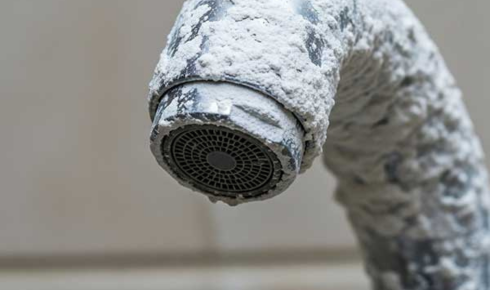
You probably don’t think twice when you turn on the tap, jump in the shower, or run a load of laundry. It’s just water, right? Clear, odorless, perfectly harmless? Maybe not. If you’ve noticed your faucets wearing a crusty ring of white, your kettle slowly becoming a rock garden, or your freshly washed dishes looking worse than before — your water might be trying to tell you something.
And it’s not good.
Let’s have an honest, no-fluff conversation about what’s lurking in your water and why it might be sabotaging your home (and patience).
The Sneaky Effects of Hard Water That Nobody Warns You About
We don’t always notice it at first. Hard water shows up in subtle ways — the towels that never feel soft again, the constant scrubbing around the showerhead, or how your favorite shampoo seems to have lost its mojo. Over time, though, the signs become impossible to ignore.
One of the biggest offenders? That stubborn white crust that forms around faucets, fixtures, and even glassware. It’s not just ugly. It’s a flashing red light for deeper mineral issues. That crust is calcium and magnesium clinging to your surfaces like barnacles. And the longer it stays, the harder it gets to remove.
Why Everything Feels Off: From Hair to Home
Living with hard water is like living with static in the background. It messes with everything — but just enough that you can almost ignore it… until you can’t. Your hair starts feeling like straw. Your skin? Dry and flaky no matter how much lotion you slather on. Clothes come out of the wash feeling stiff, colors fading faster than you’d expect.
And don’t get me started on appliances.
Your Appliances Are Working Harder Than They Should
You ever wonder why your washing machine starts groaning like it’s aged a decade in a year? Or why your water heater seems to be struggling to do the one job it was designed for?
The culprit is scale, a crusty layer of mineral deposits that collects on heating elements, clogs pipes, and narrows flow in your plumbing like plaque in arteries. Scale reduces efficiency, increases energy usage, and shortens the lifespan of everything it touches — from your dishwasher to your water heater. It’s like trying to jog in wet cement. You’ll get there… eventually. But you’ll burn out a lot faster.
The Battle of the Soap
Here’s a less dramatic but equally frustrating effect: soap. Or more specifically, the way it refuses to behave properly in hard water. You’re pumping and scrubbing and still wondering why there’s no satisfying suds.
That’s because hard water reacts with soap to form soap scum, not lather. So instead of cleaning your skin, clothes, or dishes, it’s just leaving a weird film behind. If you’ve ever washed your hands and still felt like they weren’t quite clean — that’s why. Hard water kills soap lather, and that kills the cleaning power you rely on.
And the cycle continues — more detergent, more rinsing, more frustration. It’s wasteful. And expensive.
The High Cost of Doing Nothing
Let’s talk numbers. Because while this may all sound like minor irritation, hard water can hit your wallet harder than expected. Between replacing appliances, using more electricity, and burning through cleaning products faster, you’re essentially paying extra every month just to live with the problem.
You know those inefficient appliances we were just talking about? They’re not just annoying — they’re money pits. When your water heater struggles to heat through a layer of scale, your energy bills spike. Same with dishwashers and laundry machines. More work, more wear, more waste.
Over time, the costs of doing nothing far outweigh the cost of dealing with the root issue.
So, What’s the Fix?
Cue the water softener. This is the unsung hero of households plagued by hard water. A good softening system removes the minerals responsible for all this nonsense — usually swapping them out with sodium or potassium ions — and prevents scale from forming in the first place.
Once installed, it doesn’t just make things better. It changes the way you live with water. Soap lathers again. Skin feels soft. Faucets stay clean. And your appliances? They breathe a little easier. You might even hear them sigh in relief.
But Is It Safe?
This is usually the next question: “Okay, so now my water’s soft. Is it still safe?”
Short answer? Yes.
Softened water is safe for most uses. If you’re on a sodium-restricted diet or concerned about sodium content, many systems let you use potassium instead. And if drinking softened water still gives you pause, you can always install a separate drinking water filter at your tap.
The point is — softening doesn’t make your water “unnatural.” It just removes the stuff that’s making your life harder than it needs to be.
What If You Rent or Live in a Smaller Space?
Not ready to commit to a full-house system? There are other options. Portable or under-sink units can handle smaller loads — think apartment kitchens or RVs. Shower filters help reduce scale buildup and dry skin, even if they don’t catch everything.
Bottom line? Any step you take to deal with hard water is better than letting it run wild.
Real Talk: It’s About Quality of Life
We often don’t realize how much stress water issues create — until they’re gone. It’s not just about shiny fixtures or fewer cleaning products. It’s about less irritation. Fewer breakdowns. More comfort.
It’s about feeling like your home works with you instead of against you.
Because when you strip it down, hard water is an invisible weight you carry every day. It’s the reason for extra loads of laundry, for itchy skin, for that “off” feeling after a shower. It’s small frustrations adding up — a quiet thief of time, money, and peace of mind.
Wrap Up: Stop Settling for Less
So here’s the real question: Are you okay living with it? Or is it time to finally listen to what your water’s been trying to tell you?
Maybe it’s time to stop scrubbing white crust from your faucets like it’s your part-time job. Maybe you’re tired of dull hair, stiff clothes, and water that just doesn’t play fair. Maybe your appliances deserve a break. Maybe you do.