There’s something reassuring about knowing exactly what’s coming out of your kitchen faucet. Yet many homeowners know surprisingly little about the water they use for drinking, cooking, bathing, and cleaning.
Perhaps you’ve noticed an earthy smell after heavy rainfall, or your morning coffee doesn’t taste quite right anymore. Maybe you’ve recently moved into a new property and aren’t familiar with the local water supply.
Whatever brought water quality to your attention, investigating the issue makes more sense than immediately purchasing treatment equipment.
A reliable testing process can reveal useful information about your water, helping you distinguish between ordinary mineral-related inconveniences and concerns that require more careful attention.
Better decisions begin with understanding the problem, and sometimes that starts with nothing more complicated than collecting a water sample.
What Happens When Your Water Is Tested?
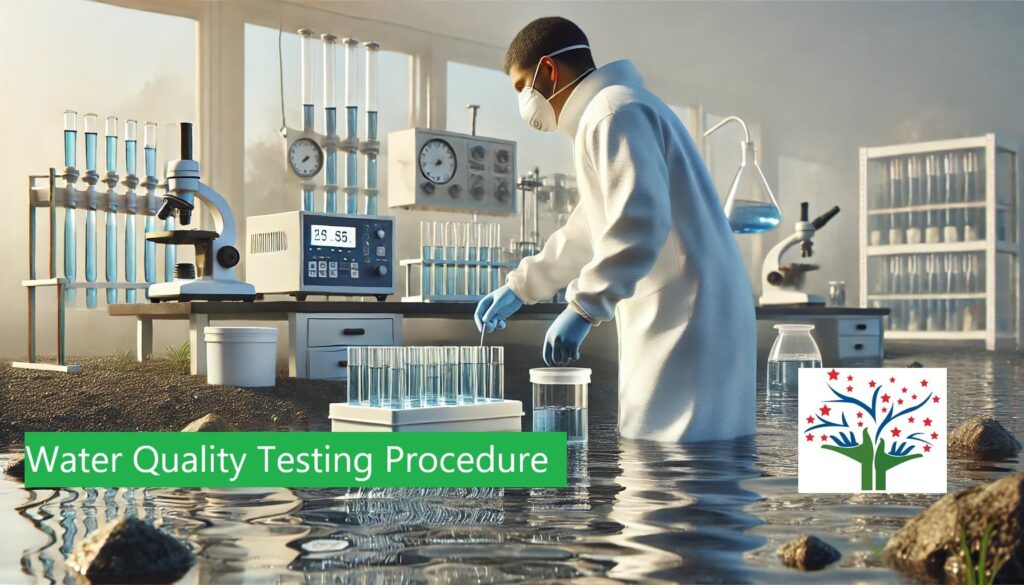
The process of water sample testing and evaluation involves examining collected water to identify particular physical, chemical, or microbiological characteristics.
Depending on the selected testing panel, an assessment may measure mineral hardness, pH, iron, dissolved metals, or specific contaminants.
Collecting the sample correctly is especially important. Using an unsuitable container or failing to follow laboratory instructions could affect the accuracy of certain results.
Different tests may also require different sampling procedures.
For example, collecting a sample to investigate lead from household plumbing may involve different instructions from collecting one to examine bacterial contamination.
An appropriately certified laboratory can provide guidance about sample collection, storage, and transportation.
Taking these details seriously helps ensure the results provide a reliable foundation for future treatment decisions.
Understanding What Your Water Test Results Actually Mean
Receiving a laboratory report can feel a little intimidating. There are unfamiliar abbreviations, numerical measurements, and technical descriptions that don’t necessarily make sense at first glance.
That’s where professional water treatment consultation and testing can help bridge the gap between laboratory findings and practical household improvements.
A knowledgeable specialist can explain which results relate to everyday maintenance concerns and which might require more urgent investigation.
Elevated calcium and magnesium concentrations, for instance, may contribute to mineral deposits around fixtures. Other findings could indicate the need for specialized drinking water treatment or further laboratory analysis.
Ask about the significance of each relevant result rather than focusing solely on whether a particular number appears high.
Understanding the information properly can prevent unnecessary worry and help you avoid investing in equipment that isn’t appropriate for your circumstances.
Why Water Quality Concerns Aren’t Always Visible
A glass of clear water might look perfectly refreshing, but appearances don’t reveal everything.
Certain contaminants cannot be reliably identified through taste, smell, or color. Meanwhile, some noticeable water characteristics may represent aesthetic concerns rather than significant health risks.
Arranging water testing to identify quality concerns allows homeowners to investigate these differences using measurable information instead of personal impressions.
This can be particularly valuable when purchasing an older property, moving into a home supplied by a private well, or noticing unexpected changes in water characteristics.
Even if your neighbors haven’t experienced similar problems, your property’s plumbing and water supply conditions could be different.
It’s always worth considering your individual circumstances rather than assuming that every household in the neighborhood receives identical water.
Choosing Treatment Equipment Based on Actual Findings
Water treatment products are widely available, but that doesn’t mean they’re interchangeable.
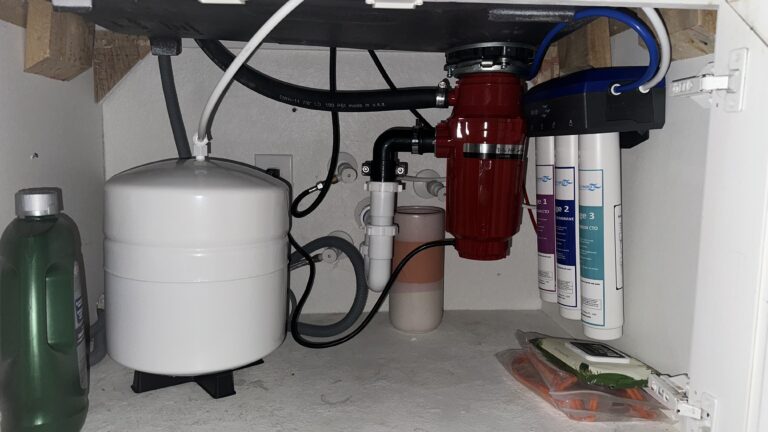
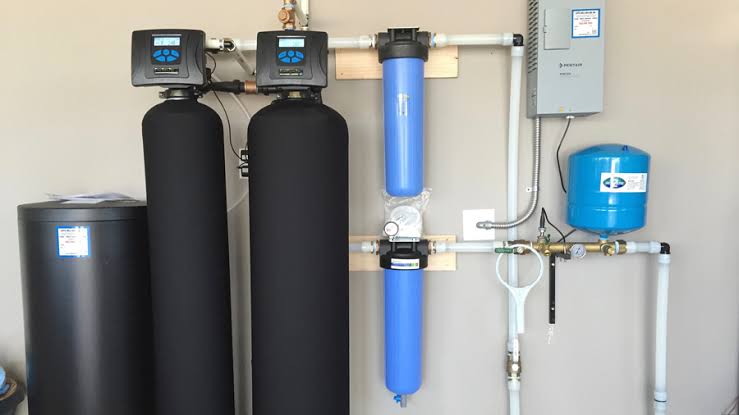
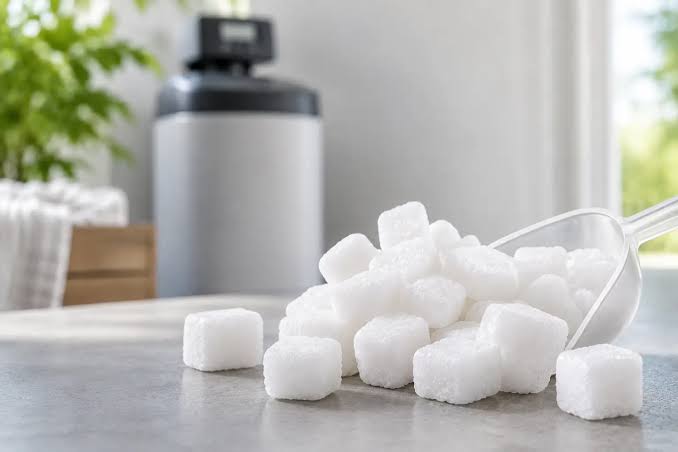
A sediment filter captures suspended particles. An activated carbon filter may reduce certain unpleasant tastes and odors. Traditional softening equipment addresses excessive calcium and magnesium.
Each technology serves a particular purpose.
If your water test reveals several concerns, combining appropriate treatment stages might make more sense than relying on a single device.
However, more equipment doesn’t automatically mean better results.
Consider independently verified contaminant reduction capabilities, installation requirements, household water consumption, and long-term maintenance costs.
Sometimes, a straightforward filtration arrangement provides precisely what your home needs without introducing unnecessary complexity.
Why Private Well Owners Should Pay Particular Attention
Living in a property supplied by a private well offers certain advantages, but it also comes with additional responsibilities.
Unlike customers receiving publicly monitored municipal water, private well owners are generally responsible for arranging their own water quality assessments.
Groundwater conditions can change following flooding, nearby construction, agricultural activity, or other environmental developments.
Even a well that’s supplied pleasant-tasting water for years may experience changes that aren’t immediately noticeable.
Following recommended testing schedules and consulting local public health authorities can help homeowners monitor their supplies appropriately.
Additional testing may be necessary following significant environmental events or repairs to the well.
Checking Whether Your Treatment System Is Doing Its Job
Installing filtration equipment is an important step, but how do you know whether it’s performing as intended?
Follow-up testing can help assess whether targeted water quality concerns have been adequately addressed.
This is especially important when treatment is installed to reduce potentially harmful contaminants.
Regular maintenance also plays a significant role. Filter cartridges become exhausted, membranes require replacement, and treatment media may gradually lose effectiveness.
Keep your original laboratory reports alongside equipment manuals and servicing records. Having this information available makes it easier to compare results and identify changes over time.
Making Informed Water Quality Decisions With Confidence
Understanding your household water doesn’t require becoming an expert in chemistry. It simply means asking sensible questions, arranging appropriate testing, and choosing solutions supported by reliable information.
Perhaps you’ll discover that your water only needs a minor improvement. Or maybe the results will highlight a concern that deserves more specialized attention.
Either way, knowing is better than guessing.
Water is part of nearly everything that happens inside your home. Giving its quality the attention it deserves can support more enjoyable daily routines, better-informed maintenance decisions, and greater confidence in the water your household depends on.