It’s usually the little things that make a home comfortable. A kitchen sink that drains properly after dinner, a toilet that works without making strange noises, and drinking water that tastes refreshing straight from the faucet. None of these things seems particularly remarkable until something stops working.
Plumbing problems have an unfortunate habit of appearing when life is already busy. And while some issues require immediate professional attention, others can be prevented through sensible maintenance and thoughtful equipment upgrades.
Understanding how your kitchen and bathroom plumbing works can help you avoid unnecessary expenses, reduce water waste, and make better decisions when repairs become necessary.
Let’s look at a few household plumbing essentials that deserve more attention than they typically receive.
Making Kitchen Cleanup Less of a Chore
Preparing a delicious family dinner is enjoyable. Dealing with the mess afterward? Not quite as much.
Properly installed garbage disposals can make kitchen cleanup more convenient by breaking down suitable food scraps into smaller particles that travel through the drainage system.
However, these appliances aren’t designed to handle everything that comes off your dinner plate. Cooking grease, fibrous vegetable scraps, and large bones can contribute to drainage problems or interfere with equipment performance.
Following manufacturer recommendations helps prevent unnecessary blockages and mechanical damage.
If your disposal begins making unusual noises, develops persistent odors, or stops operating altogether, it may need professional attention.
Never reach inside the grinding chamber, and disconnect the power before any inspection or maintenance.
When choosing a replacement unit, consider motor capacity, noise levels, available space, and compatibility with your plumbing. A dependable appliance should make kitchen maintenance easier rather than create another household responsibility.
When Your Bathroom Toilet Needs Professional Attention
A toilet that continues running long after flushing can become surprisingly irritating. Besides the constant noise, it may waste considerable amounts of water over time.
Arranging professional toilet service can help identify problems involving worn flappers, malfunctioning fill valves, leaking seals, and recurring drainage issues.
Fortunately, many common toilet problems don’t require complete replacement. Sometimes, changing a relatively inexpensive internal component restores normal operation.
However, older fixtures experiencing frequent breakdowns, structural cracks, or persistent leakage may be better candidates for replacement.
Modern water-efficient toilets can also help households reduce unnecessary water consumption.
If you’re considering an upgrade, look beyond appearance. Flushing performance, comfort, cleaning requirements, and replacement part availability all deserve consideration.
A properly installed toilet should provide dependable everyday performance without requiring constant adjustments or repairs.
Enjoying Better Drinking Water Straight From Your Kitchen
Water quality is another aspect of household plumbing that’s easy to overlook. Perhaps your tap water has a noticeable aftertaste, or you’ve grown tired of purchasing bottled water every week.
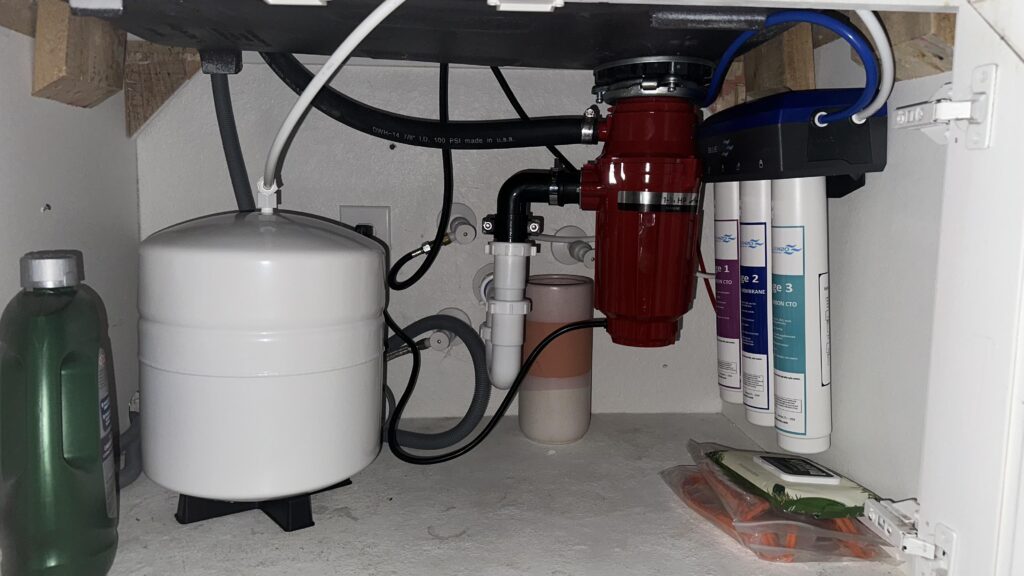
For many households, reverse osmosis provides a practical approach to dedicated drinking water treatment.
The process uses pressure to move water through a semipermeable membrane, reducing various dissolved substances according to the equipment’s verified treatment capabilities.
Residential units are commonly installed beneath the kitchen sink, providing treated water through a separate drinking water faucet.
Depending on the model, these systems may help reduce specific contaminants and improve certain taste characteristics.
Before purchasing equipment, consider appropriate water testing, available installation space, water efficiency, and replacement filter expenses.
Regular maintenance matters as well. Filters and membranes have limited service lives, even when treated water continues tasting perfectly normal.
Recognizing Plumbing Problems Before They Get Worse
Most plumbing emergencies don’t appear entirely without warning. Sometimes, the early signs are simply easy to miss.
A kitchen sink that drains more slowly than usual, moisture around the toilet base, or an unusual sound beneath the cabinet might indicate a developing problem.
Pay attention to these changes rather than waiting until equipment stops working completely.
For example, persistent moisture around a toilet could indicate a leaking connection or damaged seal. Left unaddressed, it may eventually affect surrounding flooring.
Similarly, recurring kitchen blockages could suggest a deeper drainage problem that requires investigation.
Getting minor concerns checked early can often prevent unnecessary damage and more expensive repair work.
Should You Repair or Replace Aging Plumbing Equipment?
This question comes up frequently, particularly when household budgets are already stretched.
Repairing a relatively modern fixture with a minor component failure can make excellent financial sense. Repeatedly repairing aging equipment with extensive deterioration, however, may become more expensive than replacing it.
Consider the appliance’s condition, repair history, efficiency, and expected remaining service life.
A knowledgeable plumber should explain the available options without automatically recommending the most expensive solution.
Sometimes, keeping existing equipment in good working order is the smartest decision you can make.
Simple Maintenance Habits That Are Worth Keeping
Looking after your plumbing doesn’t need to become another time-consuming weekend project.
Avoid pouring grease into kitchen drains, use suitable drain strainers, and flush only human waste and toilet paper.
Occasionally inspect accessible plumbing connections for moisture, particularly beneath kitchen and bathroom sinks.
Keep track of drinking water filter replacement schedules and follow equipment-specific maintenance recommendations.
It’s also worth knowing where your main water shutoff valve is located. During a significant leak, shutting off the supply safely can help prevent extensive property damage.
These everyday habits require relatively little effort but can make a meaningful difference over time.
A More Comfortable Home Starts With Practical Decisions
Reliable kitchen and bathroom plumbing isn’t about having the most sophisticated fixtures or expensive equipment. It’s about choosing products that suit your household, maintaining them properly, and addressing problems before they become serious.
Whether you’re preparing dinner, cleaning the bathroom, or filling a reusable water bottle before work, dependable plumbing makes ordinary routines easier.
Invest in quality workmanship, seek professional assistance when necessary, and give your existing equipment the attention it deserves.
Sometimes, the best improvements are the ones nobody else notices. They’re simply the things that make your home work better, reduce everyday frustrations, and give you a little more time to enjoy life beyond household maintenance.