Having your own well is one of the appealing aspects of living away from crowded urban neighborhoods. There’s a certain satisfaction in having an independent water supply. Of course, that feeling can change rather quickly when your water develops an unpleasant smell, leaves orange stains around the bathtub, or creates stubborn mineral deposits inside the kettle.
Exploring suitable private well water treatment options can help homeowners address these frustrations while maintaining a dependable water supply for everyday household activities.
The important thing to remember is that groundwater isn’t the same everywhere. Two properties located surprisingly close together can have completely different water quality concerns.
Finding the right solution takes a little investigation, but it doesn’t need to become an overwhelming home improvement project.
Understanding What Comes Out of Your Well
Groundwater travels through layers of soil and rock, collecting various naturally occurring minerals and dissolved substances along the way.
Calcium and magnesium contribute to water hardness, while iron may cause reddish-brown stains around plumbing fixtures. Hydrogen sulfide can produce that unmistakable rotten egg odor.
Some wells also contain suspended sand, silt, or other particles that affect water clarity.
Then there are concerns you can’t necessarily see or smell. Certain microorganisms and dissolved contaminants may be present even when water appears perfectly clean.
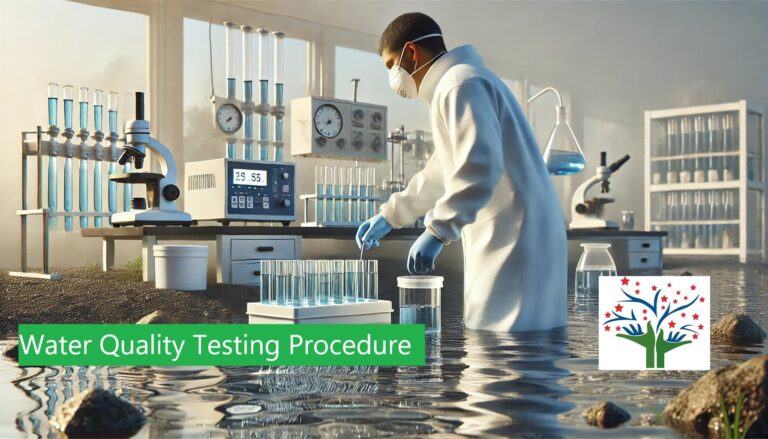
That’s why water testing deserves more attention than many homeowners initially give it.
Understanding the composition of your water makes it considerably easier to select appropriate treatment rather than spending money on equipment that addresses the wrong problem.
Combining Filtration and Conditioning for Better Results
Well water often presents more than one concern. You might experience excessive hardness alongside iron staining, for example, or unpleasant odors accompanied by visible sediment.
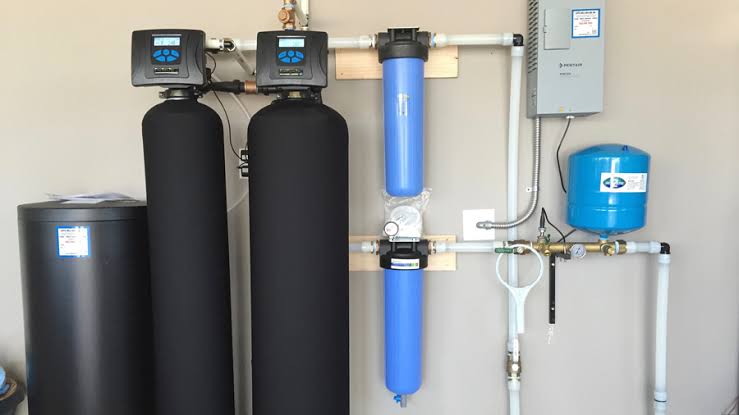
A thoughtfully designed approach to well water filtration and conditioning can address several water characteristics through specialized treatment technologies selected according to testing results.
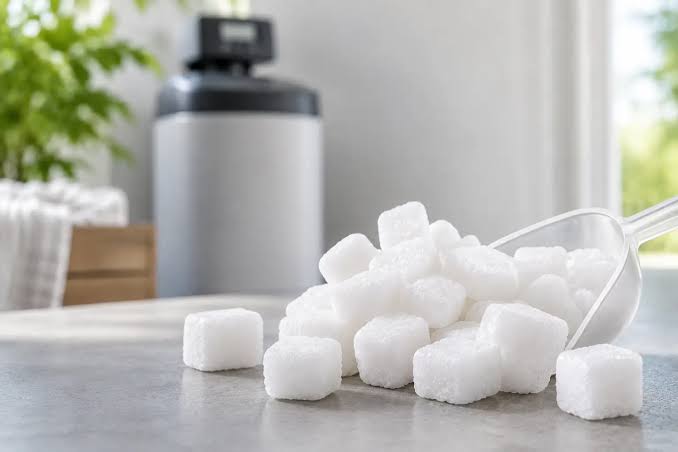
Sediment filters help capture suspended particles, while conventional water softeners reduce dissolved calcium and magnesium.
Specialized oxidation and filtration equipment may address certain iron and sulfur-related problems.
Each component performs a different function. Installing an ordinary carbon filter won’t necessarily resolve mineral scale, just as a water softener shouldn’t be expected to eliminate microbial contamination.
The goal is to create a treatment arrangement that addresses genuine concerns without adding unnecessary complexity or expense.
Why Professional Water Assessment Is Worth Considering
Choosing water treatment equipment can be confusing, particularly when every product seems to promise impressive results.
Experienced providers of well water treatment services can help homeowners evaluate water conditions, understand available technologies, and determine which equipment is appropriate for their property’s requirements.
A professional assessment may consider household consumption, incoming water pressure, existing plumbing arrangements, and noticeable water quality problems.
Laboratory testing for bacteria, nitrates, and other relevant contaminants remains important when evaluating drinking water safety.
Depending on the findings, your property might require several treatment stages or something considerably simpler.
Getting informed guidance early can help prevent expensive mistakes. Nobody wants to install a brand-new filtration system only to discover that the original problem hasn’t gone away.
Making Everyday Household Activities More Comfortable
Water quality affects more aspects of household life than we sometimes realize.
Think about washing white clothes, preparing dinner, cleaning bathroom fixtures, or enjoying a relaxing shower after a particularly long day.
Iron-related staining can make laundry frustrating, while excessive hardness may interfere with soap performance and contribute to mineral buildup.
Appropriate treatment can help reduce these inconveniences, depending on the original water conditions.
You might find that bathroom fixtures stay presentable for longer or that cleaning requires a little less effort.
These aren’t necessarily dramatic changes. Nevertheless, when you’re completing the same household chores week after week, even modest improvements can make a welcome difference.
Giving Your Plumbing and Appliances Better Protection
Replacing household appliances is rarely an expense anyone looks forward to.
Unfortunately, certain water characteristics may contribute to additional maintenance requirements over time.
Hardness-related scale can accumulate on heating surfaces inside water heaters and other appliances. Suspended particles may collect inside faucet aerators and sensitive plumbing components.
Suitable treatment can help limit future accumulation, although existing deposits or damage may still require separate servicing.
Preventive maintenance is often easier to manage than unexpected repairs.
Considering how heavily most households depend on their water heaters, dishwashers, and washing machines, addressing persistent water quality problems makes practical sense beyond simply improving appearance or taste.
Choosing Equipment That Won’t Become a Maintenance Burden
A water treatment system should make household life easier, not introduce another complicated responsibility.
Before installation, consider available space, peak water demand, drainage requirements, and accessibility for routine servicing.
Ask about replacement cartridges, treatment media, salt consumption, and anticipated operating expenses.
An affordable system isn’t necessarily economical if it requires frequent and expensive maintenance.
Regular laboratory testing is also important because groundwater conditions may change following heavy rainfall, flooding, or well repairs.
Keep previous test results and servicing records somewhere accessible. These can help identify changes in water quality and equipment performance.
Remember that pleasant-tasting water isn’t automatically safe drinking water.
Looking After Your Well for the Years Ahead
Managing your own water supply comes with responsibilities, but it doesn’t have to mean constant worry or frustration.
Start with reliable testing, select treatment equipment according to actual water conditions, and establish a maintenance routine you can comfortably manage.
A well-maintained system can help address specific water quality concerns while making everyday household activities more enjoyable.
Ultimately, having your own well should remain a source of independence. With thoughtful treatment choices and consistent care, it can continue serving your household reliably for years to come.