





Most of us only think about water when we’re thirsty — but the truth is, it quietly shapes almost every moment of daily life, from morning showers to late-night cups of tea.
There’s something almost invisible about water in our homes. It runs through pipes behind walls, hums inside appliances, and appears instantly when we turn a tap. Because it’s so effortless, we rarely stop to question its quality — until something feels off.
Maybe it’s a faint smell that lingers after filling a glass. Or that strange film left behind on dishes. Sometimes it’s just a feeling — dry skin after every shower or laundry that never quite feels fresh.
These small annoyances often lead homeowners down a surprisingly complex rabbit hole. Suddenly you’re reading about filtration systems, water hardness, contaminants, and plumbing protection — topics that never seemed relevant before.
And somewhere along the way, one realization usually hits: water quality isn’t just about drinking water.
It’s about everything.
The Quiet Role Water Plays in Everyday Comfort
Think about how often water touches your life in a single day.
It wakes you up in the morning shower. It cleans the dishes after dinner. It washes clothes, fills coffee makers, and even impacts the air inside your home through humidity systems.
Yet many households focus only on filtering the kitchen sink, overlooking the fact that untreated water still flows everywhere else — through bathrooms, laundry rooms, and appliances.
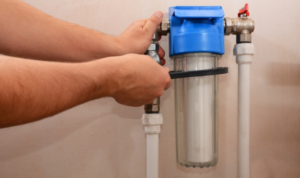
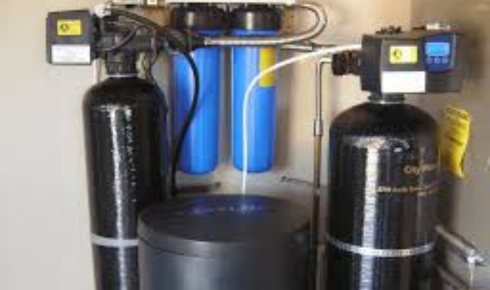
That’s where whole house water systems come into the picture. Unlike small filters that treat water at a single tap, these systems work at the source, improving water quality before it travels through the entire plumbing network.
It’s not just about drinking water anymore — it’s about creating consistency across the entire home.
Why Water Quality Affects More Than Just Taste
When people first start thinking about water filtration, they usually focus on taste and safety. But water quality influences far more than what ends up in a glass.
For example, poor-quality water can cause mineral buildup in pipes, reducing water pressure over time. It can damage appliances like dishwashers and water heaters, shortening their lifespan. Even soap and cleaning products behave differently depending on water composition.
Then there’s the personal side — skin, hair, and comfort. Hard or chemically treated water can lead to dryness, irritation, or that persistent feeling of residue after a shower.
Once homeowners experience improved water quality, they often describe it as subtle but transformative — not dramatic, just noticeably better.
Understanding the Idea of Treating Water at the Source
One concept that tends to resonate with homeowners is treating water before it spreads throughout the house. Instead of filtering water only where you drink it, you improve it at the point where it enters your plumbing system.
This is often referred to as point of entry filtration, and it focuses on addressing water issues at the earliest possible stage.
Think of it like air purification for an entire home rather than a single room. By treating water at the source, you create a consistent baseline of quality for every tap, appliance, and fixture.
It’s a preventative approach rather than a reactive one.
The Emotional Impact of Reliable Water Quality
There’s also something quietly reassuring about knowing your water is consistently clean and balanced.
It’s hard to quantify, but the peace of mind matters. You fill a glass without hesitation. You cook meals without wondering about hidden chemicals. You let children drink freely without second-guessing.
For many families, improving home water quality becomes less about technology and more about confidence — the feeling that something fundamental in their environment is dependable.
And once that confidence is in place, it’s hard to imagine living without it.
Small Signs That Often Get Ignored
Interestingly, many water issues go unnoticed for years because they don’t appear urgent.
A slight metallic taste might be dismissed as normal. Soap scum on bathroom tiles becomes part of routine cleaning. Laundry that feels stiff is blamed on detergent rather than water quality.
But these small clues often point to underlying issues that, if addressed early, could prevent long-term costs and frustrations.
That’s why water testing has become more common in recent years. Once people see actual data about their water composition, they tend to understand their situation more clearly.
And clarity makes decisions easier.
Balancing Practical Needs with Long-Term Benefits
Choosing how to improve water quality isn’t always straightforward. Every home has different needs depending on water sources, plumbing conditions, and household priorities.
Some homeowners focus primarily on taste and safety. Others prioritize protecting appliances or reducing maintenance costs. Many simply want an overall improvement in comfort and reliability.
There’s no single perfect solution — only the one that aligns with your lifestyle.
What matters most is understanding that water quality isn’t a luxury upgrade. It’s an investment in daily living.
The Bigger Picture: Water as a Foundation of Everyday Life
At the end of the day, water isn’t just another utility. It’s woven into nearly every aspect of home life, often in ways we barely notice.
Improving its quality doesn’t create dramatic, attention-grabbing changes. Instead, it delivers subtle improvements — smoother showers, cleaner laundry, longer-lasting appliances, and better-tasting food.