





There’s been a lot of buzz lately about Ozempic and its role in helping people manage type 2 diabetes — and, more recently, its off-label fame in the world of weight loss. But if you’ve ever wondered how it actually works, whether it can be taken in pill form, or how long it takes to show results, you’re not alone. Let’s break this down in a real, human way — not with medical jargon, but with clarity and common sense.
The Basics of Ozempic
Ozempic isn’t some miracle drug that melts fat overnight. It’s a medication developed to help people with type 2 diabetes control their blood sugar levels more effectively. Its active ingredient, semaglutide, mimics a natural hormone in your body called GLP-1, which helps regulate insulin production, appetite, and digestion.
Think of it as a gentle helper that nudges your body toward balance — not an instant fix. People often notice they feel fuller sooner, their cravings shrink, and their blood sugar readings look better over time.
Can Ozempic Be Taken Orally?
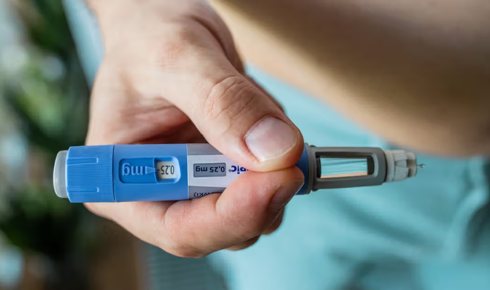
That’s one of the most common questions people ask. For years, Ozempic was only available as an injection — a weekly shot under the skin. But science evolves, and researchers found a way to deliver semaglutide in pill form.
So yes, can ozempic be taken orally? The short answer is yes, but technically, it’s not called Ozempic when it’s in pill form. The oral version goes by the name Rybelsus, which contains the same active ingredient (semaglutide) but comes in tablet form.
However, it’s not as simple as popping a vitamin. The pill must be taken on an empty stomach with a small sip of water — and you have to wait at least 30 minutes before eating or drinking anything else. That’s because semaglutide can be tricky to absorb through the stomach lining. Timing and consistency make a big difference in how well it works.
How Does It Work Inside the Body?
Once in your system, semaglutide works in three smart ways:
- It increases insulin secretion when your blood sugar rises.
- It slows down how fast food leaves your stomach (so you stay full longer).
- It signals your brain that you’re satisfied, reducing hunger and cravings.
Together, these effects help people manage their glucose levels and, for many, lose weight gradually and safely.
How Long Does It Take Semaglutide to Start Working?
This one’s tricky because everyone’s body is different. Some notice small changes within a week — maybe less appetite, maybe smoother blood sugar levels. But others might not feel much for a month or two.
So, how long does it take semaglutide to start working? Generally, it begins to take effect within the first 1–2 weeks, but the full benefits build gradually over 8 to 12 weeks. The reason for this slow ramp-up is that doctors usually start with a small dose to help your body adjust and reduce side effects like nausea.
Think of it like easing into a workout routine — you wouldn’t start lifting the heaviest weights on day one, right? The same principle applies here. Slow, steady, and patient wins the race.
The Role of Lifestyle Choices
It’s tempting to rely on medication alone, but even the best drugs work best alongside healthy habits. Ozempic or Rybelsus can help control appetite and improve insulin sensitivity, but your diet, sleep, stress, and physical activity still play a huge role.
If someone eats balanced meals, stays hydrated, and moves a little every day, semaglutide tends to perform even better. It’s like giving your body the right tools so the medication can do its job efficiently.
Side Effects: The Honest Talk
Let’s be real — no medication is free from side effects. Most people handle semaglutide well, but some experience mild nausea, bloating, or fatigue, especially during the first few weeks. These effects usually fade as the body adapts.
In rare cases, people might face more serious reactions, but doctors monitor for those. The goal isn’t to scare anyone — it’s to highlight that awareness and communication with your healthcare provider matter. If something feels off, always speak up.
Ozempic Oral Medication: Is It as Effective as the Shot?
The comparison between the injectable and oral forms often sparks debate. While both contain semaglutide, their absorption differs. The injectable version goes directly under the skin, ensuring steady absorption, whereas the pill has to survive the stomach’s harsh environment before reaching the bloodstream.
Still, many people find the oral route easier, especially if they dislike needles or travel frequently. Ozempic oral medication (Rybelsus) has shown comparable benefits for many users, though results can vary slightly based on individual metabolism and adherence.
Ultimately, the best version is the one you’ll stick with consistently. Whether that’s a weekly shot or a daily pill depends on your comfort and doctor’s recommendation.
Real Expectations: It’s a Marathon, Not a Sprint
Here’s the truth: semaglutide isn’t a magic wand. It’s a tool — a highly effective one, yes, but still a tool. You won’t wake up one morning suddenly 20 pounds lighter or with perfect A1C levels. Real, sustainable changes take time.
The people who see the best results are those who treat it as part of a bigger picture: consistent check-ups, mindful eating, and gradual lifestyle shifts.
You might start noticing changes in appetite first, then in energy levels, and finally in weight or blood sugar improvements. The timeline isn’t rigid — it’s personal.
The Takeaway
If you’ve been wondering whether Ozempic is right for you, the key lies in understanding your body, your goals, and your commitment. Whether you choose the injectable or oral version, consistency and communication with your healthcare provider are crucial.
Remember — health journeys aren’t about perfection. They’re about progress.
Semaglutide, whether branded as Ozempic or Rybelsus, gives many people a real shot (no pun intended) at better blood sugar control and a healthier relationship with food. Just keep realistic expectations, stay patient, and don’t forget that medicine works best when paired with mindful living.
In the end, it’s not just about a pill or an injection — it’s about taking small, steady steps toward a body that feels balanced, strong, and truly yours.