



There’s nothing worse than trying to beat the heat, only to realize your air conditioner has once again decided to take an unannounced break. You set the thermostat, settle in with an iced drink, and boom—it shuts off. No warning. Just silence. If this scene feels all too familiar, you’re not alone. It’s one of the most common complaints homeowners and renters share: Why does my AC keep turning off by itself? Is it broken? Is it haunted? Or is something else going on behind the scenes?
Let’s unpack this mystery, in plain human terms, and finally make sense of why your air conditioner keeps cutting out when you need it most.
The “Short Cycling” Saga
When your air conditioner keeps shutting off frequently, it’s usually not just being moody. It’s doing something known as short cycling. That’s when the unit turns on, cools briefly, then turns off before completing a full cooling cycle. Not only is it super annoying, but it’s also incredibly inefficient. Your electricity bill might start creeping up, and your AC will likely wear out faster than it should.
But here’s the kicker: short cycling isn’t a disease in itself — it’s a symptom. And there are quite a few possible culprits behind it.
Dirty Air Filters (Yes, Really)
It’s the first thing HVAC technicians ask about for a reason. A clogged air filter can choke the airflow, make the system overheat, and force it to shut down early. Think of it like trying to jog with a pillow over your face. Not exactly sustainable.
Check your filter. If it looks like a dusty relic from an ancient tomb, it’s time to swap it out. In fact, this should be part of your regular maintenance habit, not just something you do when things go wrong.
Thermostat Trouble
Sometimes, the issue isn’t the AC unit at all—it’s the thermostat. If it’s located in a spot that gets cooler faster than the rest of the room (like right under a vent), it might be tricked into thinking the whole place is cool enough. So, it signals your system to shut off.
Also, older or malfunctioning thermostats can misread temperatures, causing erratic behavior. Double-check your thermostat placement, and consider upgrading to a programmable or smart thermostat if yours is outdated.
Refrigerant Woes
If your ac unit keeps shutting off and you’ve already ruled out the obvious stuff, refrigerant levels might be the next thing to check. Low refrigerant can cause the system to freeze up, overheat, or both—leading to premature shutdowns.
Here’s the bad news: handling refrigerant isn’t a DIY job. You’ll need to call a certified HVAC pro for this one. They can check for leaks, recharge the refrigerant, and get things running smoothly again.
Electrical and Sensor Issues
Modern AC units are full of sensors and safety switches. If one of them malfunctions—or detects a potential hazard—it can cut off the system automatically.
This is actually a good thing. It means your AC is protecting itself (and your home) from damage. But it also means you’ll need a technician to diagnose the problem. It could be a faulty relay, a worn capacitor, or just a loose wire causing chaos.
Oversized AC Units: Bigger Isn’t Always Better
If your AC is too powerful for the size of your room or home, it’ll cool the space quickly… too quickly. That might sound like a good thing, but it means the unit doesn’t run long enough to dehumidify properly, and it shuts off before distributing air evenly.
This also leads to—you guessed it—short cycling.
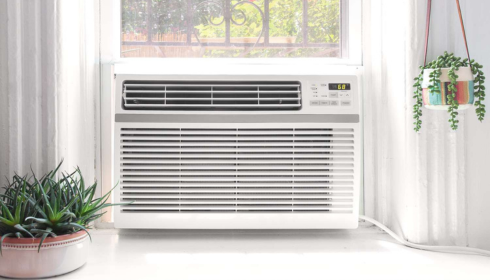
If your window ac unit keeps shutting off, it might be because it’s simply too large for the space it’s meant to cool. Oversized units are common in older buildings or when people buy on impulse, thinking “more power” equals “better performance.”
Spoiler: It doesn’t.
Dirty Condenser Coils or Evaporator Coils
Over time, your outdoor unit collects dirt, leaves, and other debris. When the coils get covered, the AC struggles to expel heat efficiently. It gets hot, then shuts off to protect itself. Same story indoors if the evaporator coil is clogged.
Give those coils a good cleaning or have a professional do it during a tune-up. It’s like brushing your AC’s teeth—it keeps it happy and humming.
Drain Line Blockages
Many people don’t realize their AC has a drain line to get rid of excess moisture. But when that line gets clogged with algae or gunk, the system might shut off as a precaution to avoid water damage.
It’s easy to check this. Look for a small PVC pipe near the outdoor unit, and make sure it’s not backed up. Flushing it with vinegar every few months helps prevent clogs.
What You Can Do Right Now
Before you panic and call in reinforcements, try this simple checklist:
- Replace or clean your air filter
- Check for ice around the evaporator coils
- Make sure the thermostat is in a good location
- Clean the area around the outdoor unit
- Check if your drain line is clogged
If none of these quick fixes do the trick, it’s time to call in a professional. Better safe than sweating buckets.
When to Call in the Pros
If your unit is shutting off randomly and you’ve done all the easy stuff, don’t keep running it “just to see if it works again.” You might end up doing more harm than good.
Most HVAC technicians offer affordable diagnostic visits, and they can often spot problems you’d never think to look for. Sometimes, what looks like a huge issue (like a failing compressor) turns out to be a simple sensor fix or a $50 part.
Final Thoughts: Keep Cool and Carry On
Nobody likes dealing with a finicky air conditioner—especially in the middle of summer. But before you assume your unit is on its last legs, step back, breathe (hopefully cool air), and take a closer look.
Most of the time, it’s something minor causing the issue. And once fixed, your AC will be back to keeping your space comfortable without throwing tantrums every 20 minutes.
So, next time you wonder why your air conditioner keeps shutting off, remember: your unit’s not being lazy. It’s probably trying to tell you something. Listen carefully, and you just might save yourself a sweaty summer—and a chunk of change on repairs.