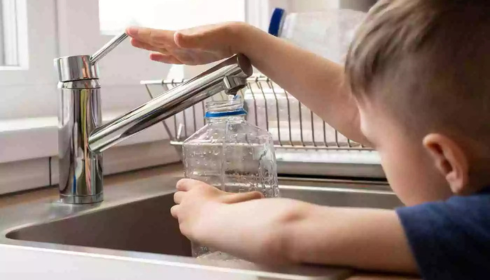






Some mornings, you pour a glass of water and take a sip… only to wonder if you’ve just licked a rusty pipe. Or maybe it smells faintly like rotten eggs, or it leaves a strange film on your hands after washing. These little red flags? They aren’t just oddities—they’re clues. Your water’s trying to tell you something.
And let’s be honest, most of us ignore these signals. We chalk it up to “just the way it is around here” and carry on. But here’s the thing: you don’t have to settle. In fact, you shouldn’t.
It Starts With a Sip
Water is a constant in our lives. We cook with it, clean with it, drink it, bathe in it. It’s the quiet hero of our daily routines. So when something feels off—even slightly—it’s worth digging into. That metallic taste, that sulfur smell, or those weird stains in the toilet bowl? They’re not just quirks. They’re signs of deeper issues.
Let’s break this down in a way that’s not overwhelming, technical, or full of jargon. Just real talk about what you can do when your water isn’t what it should be.
Getting to the Root: Water Symptoms & Solutions
When it comes to water issues, most people notice the symptom first—discoloration, odd tastes, skin irritation. But the key is understanding what’s behind the curtain.
This is where knowing your water symptoms solutions really matters. Because if you treat the wrong problem, you’ll just waste money and frustration.
For example, reddish stains in your sinks or tubs? That’s probably iron. Soap that won’t lather? Hello, hard water. Rotten egg smell? You’re likely dealing with hydrogen sulfide. The good news? These are all fixable.
But no solution works universally. What fixes one household might not work for the next. That’s why a bit of curiosity and testing go a long way.
Iron in Your Water: What You Should Know
Iron is one of the most common culprits in household water issues—and one of the most misunderstood. It sneaks into your water from natural deposits or aging pipes. In small amounts, it’s not harmful. But once it crosses a certain threshold, it’s all downhill from there.
You’ll see rust-colored stains on your fixtures, laundry that never quite looks clean, and water that tastes like metal. It’s not dangerous to drink (usually), but it’s definitely not pleasant.
Understanding iron removal basics helps you take the right step. It could be as simple as a sediment filter or as complex as an oxidation system, depending on the iron type (yeah, there’s more than one kind). Either way, the right approach starts with identifying what kind of iron is in your water—ferric, ferrous, or bacterial.
Okay, So Now What? Let’s Talk Filtration
Once you’ve figured out what’s wrong, the next logical step is fixing it. And no, you don’t need to install a lab in your garage. Water filtration these days is surprisingly user-friendly—if you know what to look for.
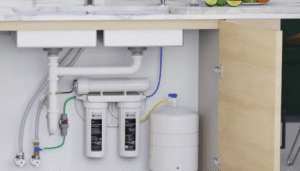
Here’s where water filtration strategies come in. Not just filters, but strategies. That means finding a setup that makes sense for your household’s water use, contaminants, budget, and even your lifestyle.
Some families just need a pitcher filter to get rid of chlorine taste. Others need a whole-home system that tackles iron, hardness, and sulfur in one go. And some, especially those on well water, need more aggressive solutions like reverse osmosis or oxidation tanks.
It’s not one-size-fits-all. But once you dial it in, the difference is night and day. Your coffee tastes better. Your hair feels softer. Your white clothes stop turning orange. And you stop second-guessing every sip.
The Human Side of Clean Water
We don’t talk enough about the emotional impact of having (or not having) clean water. There’s a certain peace that comes with turning on the tap and knowing you’re not inviting a cocktail of unknowns into your body.
For parents, that peace of mind is amplified. No one wants their kid brushing their teeth with water that smells weird. And let’s not even start on how hard water messes with baby skin.
So yeah, fixing your water isn’t just a tech project—it’s a life upgrade. A quieter, calmer kitchen. A smoother shower. Less stress over why the dog isn’t drinking from his bowl anymore.
You Don’t Have to Be an Expert (But Find One)
You don’t need to become a water chemist to get this right. But it does help to call someone who knows their stuff. Local water specialists, certified filtration companies, even your plumber might have insights.
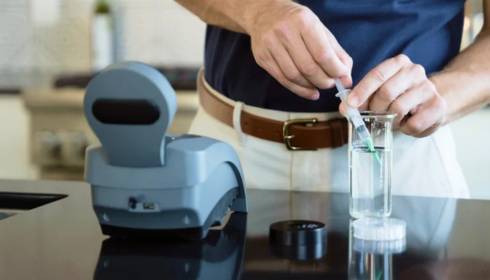
The key is to ask questions. Get your water tested—some companies even do it for free. Learn what’s in it. And then figure out the smartest path forward.
It’s not about fancy marketing terms or the biggest system on the shelf. It’s about matching the problem to the solution, and doing it in a way that fits your life.
In Closing: Don’t Wait for the Stains
If your water looks fine but tastes weird—or vice versa—trust your gut. You don’t need dramatic symptoms to take action. A little prevention now can save you a lot of mess later.
Whether it’s a rusty ring in the tub or a bitter taste in your glass, listen to the small stuff. Your water is talking. The question is—are you ready to listen?