



If you’ve ever woken up to the unmistakable gurgle of a backed-up drain or found your lawn suspiciously soggy for no good reason, welcome to the not-so-glamorous world of sewer problems. It’s one of those home issues that’s out of sight—until it’s very, very not. Whether it’s a faint smell wafting up from your basement or water pooling where it definitely shouldn’t, sewer problems are a wake-up call you can’t snooze.
Let’s dig into what causes these issues, how to handle them like a pro (or at least know when to call one), and why some of the newer solutions are seriously game-changing.
The Early Signs You Shouldn’t Ignore
Sewer issues rarely come out of nowhere. More often than not, your house tries to drop hints. Slow-draining sinks, gurgling toilets, a foul smell near your drains—all these are subtle cries for help. It’s easy to ignore them at first. Life’s busy. You jiggle the handle. Maybe pour a little drain cleaner. Problem solved, right?
Wrong. Those are often symptoms of a bigger issue hiding deeper in your plumbing system. And that’s where a residential sewer service earns its keep. They go beyond plungers and quick fixes, diving into the messy depths (literally) to diagnose and fix what’s really going on.
The Usual Suspects: What’s Messing With Your Pipes?
Let’s talk causes. What’s really behind all those nasty backups and weird smells?
- Tree roots: Yep, your charming old oak tree might be the villain. Roots love sewer lines—they’re warm, wet, and full of nutrients. Over time, they creep into cracks, causing blockages or even total pipe collapse.
- Grease and food waste: Pouring hot grease down the sink is a recipe for disaster. It cools, hardens, and clings to pipes like an unwanted guest.
- Aging infrastructure: If your house was built before the 1980s, there’s a decent chance your sewer pipes are made from clay or cast iron—materials that degrade over time.
- Flushing non-flushables: Baby wipes, paper towels, feminine hygiene products—none of these belong in the toilet. They don’t break down like toilet paper and can create gnarly clogs.
At the end of the day, sewer problems often boil down to poor maintenance and bad habits—but even the most careful homeowners aren’t immune to the surprise curveballs nature or aging infrastructure can throw.
When the Worst Happens: Coping with Sewer Backups
Let’s be real—sewer backups are every homeowner’s nightmare. You flush the toilet and instead of everything going away, it comes back. Into your tub. Onto your floor. Into your day.
Backups often start small: a slow-draining toilet here, a backed-up sink there. But left untreated, they can escalate quickly, flooding basements, damaging floors, and exposing your home to bacteria and mold.
What should you do if this happens?
First: don’t panic. Second: don’t try to fix it all by yourself. A bucket and plunger aren’t going to cut it. You’ll need professional help—someone who can assess the damage, find the blockage, and clear it without making things worse.
And please, turn off your water. It’ll keep things from escalating while you wait for help.
Enter the High-Pressure Hero: Hydro-Jetting
If your mental image of sewer cleaning involves a snake-like auger or someone elbow-deep in sludge, prepare to be amazed by hydro-jetting.
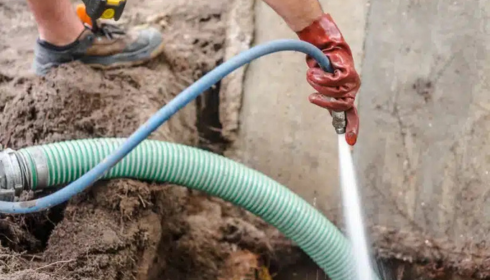
Hydro-jetting is exactly what it sounds like: a high-pressure water jet that blasts through stubborn blockages like grease, tree roots, and mineral deposits. It’s like pressure-washing your insides—well, your house’s insides, anyway.
This method is fast, efficient, and doesn’t involve harsh chemicals. Plus, unlike traditional snaking, it doesn’t just punch a hole in the clog—it scours the entire pipe clean, making it far less likely you’ll be calling a plumber again next month.
It’s a great example of how modern technology can transform even the dirtiest jobs into something surprisingly effective.
Sewer Cameras: The Eyes Inside the Earth
Before anyone starts digging up your yard or tearing out drywall, a good technician will start with a sewer camera inspection. Think of it like a colonoscopy for your house. (Yeah, we said it.)
A waterproof camera is snaked through your pipes to spot the exact source of the problem. Cracks? Collapsed sections? Roots? You’ll see it all, in glorious high-def. It’s efficient, accurate, and can save you thousands in guesswork repairs.
You shouldn’t trust any residential sewer service that jumps straight to big-ticket repairs without scoping things out first.
Proactive Maintenance: Because Prevention Beats Panic
Here’s a crazy thought: what if you never had to deal with a sewer emergency in the first place? Regular maintenance can make that dream a reality.
Schedule annual inspections. Don’t flush junk. Keep grease out of the sink. Use enzyme-based drain cleaners once a month to keep organic build-up at bay. And if you’ve got trees near your sewer line, consider root barriers or regular clearing services.
It’s not glamorous. It’s not exciting. But it’s way better than ankle-deep water in your basement.
What to Look For in a Sewer Pro
When it’s time to bring in help, choose wisely. Not all plumbers are created equal.
Look for licensed, insured professionals with experience in trenchless repairs, hydro-jetting, and camera inspections. Read reviews. Ask questions. A good sewer pro will walk you through the process, show you the problem, and offer clear, honest solutions.
If someone’s pushing for major excavation without offering proof? Red flag.
The Bottom Line: Don’t Wait Until It’s Too Late
Sewer problems aren’t just gross—they can be expensive, destructive, and dangerous to your health. But the good news? They’re also preventable.
With the right tools, habits, and help from a reliable residential sewer service, you can keep your plumbing in check and your home safe from surprise eruptions.
Because let’s face it: the only thing that should back up in your life is traffic, not your toilet.
Final Thought
Your house speaks to you. Sometimes it whispers. Sometimes it screams. When it comes to sewer problems, a little early attention goes a long way. Listen to the gurgles, act on the slow drains, and let the pros handle the dirty work—preferably before your carpets get involved.