




You know that moment when you walk into a bathroom and it just feels right? Not because it’s the biggest or trendiest. Not because it looks like something out of a luxury hotel. But because it works—every drawer opens smoothly, the lighting is soft but strong, and the space flows in a way that makes getting ready feel effortless. That’s no accident. That’s thoughtful design in action.
Bathroom design is so often treated like a box to check—pick the tile, choose a vanity, toss in some lighting, done. But this space, used multiple times a day, deserves so much more. It should be a room you look forward to walking into. A place to wake up slowly, wind down gently, and breathe for a few quiet minutes in between.
So, how do you design a bathroom that feels as good as it functions? Let’s break it down.
Showers That Do More Than Just Get You Clean
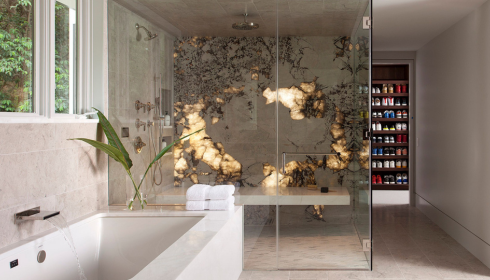
There’s a lot of focus in bathroom remodels on the look of the shower—beautiful glass enclosures, designer tile, matte black fixtures (and yes, those things do matter)—but the experience inside that shower? That’s where the magic is.
If you’re exploring shower design options, start with the question: What kind of experience do I want every day?
Do you want a rainfall head that mimics a spa? Body jets for a full-body rinse? A handheld sprayer for practicality? Built-in bench seating to linger a little longer? Maybe even a steam shower if you’re really leaning into wellness.
And think about layout—do you want a curb or a curbless entry? Glass enclosure or open concept? Even niches for shampoo can make or break your morning routine. The key is to create a space that feels good to be in, not just looks good from the doorway.
Let There Be (Better) Light
Lighting can completely change how a space feels. You’ve probably been in a bathroom where the light was either way too harsh or so dim you couldn’t tell if your eyeliner was even on straight. That’s because bad lighting is often overlooked—or worse, left to a single overhead fixture to do all the work.
When it comes to bathroom lighting, think in layers. Overhead lighting provides general illumination, but it’s task lighting—especially around the vanity—that does the heavy lifting. Sconces at eye level or backlit mirrors make a world of difference when shaving, applying makeup, or just trying to look human at 7am.
Don’t forget mood, either. Consider adding dimmers or low-level lighting options for late-night trips that don’t blind you. And if you’re lucky enough to have natural light in your bathroom, celebrate it—keep window treatments light and minimal to let that sunshine in.
Function Before Flash: Why Layout Matters More Than You Think
The truth is, you can fill a bathroom with the most beautiful finishes in the world, and it’ll still feel wrong if the layout doesn’t work. Great design starts with understanding how you use the space.
That’s what separates a pretty bathroom from a truly functional bathroom space. Do you share the room in the morning? Then maybe dual sinks make sense. Are you constantly bumping into open doors or drawers? Time to rethink the flow. Can you reach towels without dripping water across the room? Little details, big difference.
And then there’s storage—yes, it’s worth obsessing over. Drawers that hold hair tools, a pull-out trash can, built-in niches in the shower, cabinets tall enough for toiletries. Every square inch counts.
Because at the end of the day, your bathroom isn’t just a showpiece. It’s a working room. It should make your daily routines easier—not more frustrating.
Pick Materials That Feel Like You
Forget rules. Design trends come and go, but your space should reflect what you love. Want moody dark tile and brass fixtures? Go for it. Prefer something light, bright, and Scandinavian-inspired? That’s cool too. The goal isn’t to follow a trend—it’s to create a space you’ll still love stepping into years from now.
That also means choosing materials you can live with. Love marble but hate maintenance? Consider quartz that mimics the look. Want tile that’s warm underfoot? Add radiant heat. Hate cleaning grout? Use larger format tiles or slab surfaces.
Design is all about choices—and the best ones are the ones that support your habits, quirks, and lifestyle.
It’s the Small Things That Make a Big Difference
You know what people always notice in a great bathroom? The details. A towel hook right where you need it. A soft-close toilet seat. A little shelf for your book next to the tub. A niche that holds exactly what you use and nothing more.
These are the kinds of things that turn “nice bathroom” into “I never want to leave this room.”
So while it’s tempting to focus on the big-ticket items—tile, vanities, lighting—don’t forget to spend time thinking about how you move through the space, and what would make those movements smoother, easier, more joyful.
Final Thoughts: Design for the Life You Live
At the end of the day, a good bathroom isn’t about impressing anyone else. It’s about designing a space that supports you, every single day.