

There’s something oddly personal about water.
We drink it every day, trust it to keep our bodies functioning, and rarely give it a second thought—until we move to a new city and suddenly it tastes… off. Or until that fancy bottled brand we just paid $3.49 for ends up tasting like it was filtered through a garden hose.
Living in California, water is a constant topic. Droughts, conservation, infrastructure challenges—sure, those conversations happen. But for the average person trying to stay hydrated, the more pressing question is this: Which water actually tastes good and makes you feel good?
After years of taste-testing, filter-switching, and label-reading, here’s what I’ve learned about finding the best bottled water in California, and why it matters more than you might think.
Bottled Water Isn’t Just Bottled Hype (Well, Not Always)
Let’s be honest—half the water brands on grocery shelves are selling you on the vibe. Sleek designs, buzzwords like “electrolyte-enhanced” or “alkaline-infused,” and images of glaciers that definitely don’t exist in the Mojave Desert.
But if you pay attention to labels (and taste), you’ll start noticing which California water brands are actually doing it right.
Crystal Geyser, for instance, sources its water straight from Mount Shasta. It’s got that natural, crisp taste that doesn’t feel overly processed. Palomar Mountain Spring Water is another under-the-radar brand sourced in Southern California that quietly delivers great flavor without the heavy minerals some waters carry.
Then there’s Castle Rock Water—bottled at the base of Mount Shasta, minimally processed, and naturally alkaline. You’ll taste the purity. It doesn’t scream at you with flavor, but it doesn’t need to. It just feels right, especially after a hike or long day out in the heat.
Some other California brands are essentially filtered municipal water with a markup. Not necessarily bad, but maybe not worth the price tag if you’re trying to be picky.
What Makes a Bottled Water the “Best”?
Is it taste? Source? Mineral content? For me, it’s a blend.
If I’m reaching for bottled water, I want it to taste clean, light, and leave no weird aftertaste. I also want to know where it’s coming from. And let’s not ignore packaging—glass feels fancier, but I’ll take recyclable plastic if the taste delivers.
The best bottled water in California isn’t always the most expensive one. Sometimes it’s the quiet local brand, tucked on the bottom shelf, with a loyal customer base that doesn’t need flash to prove quality. Sometimes, it’s the one that’s been there all along, overlooked in favor of trendier imports.
Tap Water: It’s a Wild West Out Here
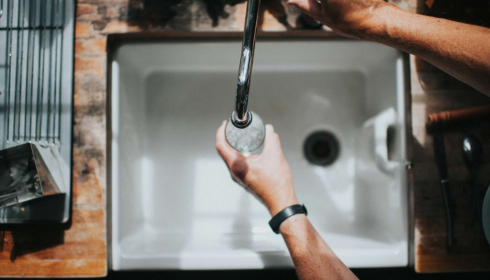
Bottled water gets a lot of attention, but for most Californians, tap water is the daily driver. And wow—talk about inconsistency. In one city, your tap water tastes like a fresh mountain spring. In another, it smells faintly like bleach and leaves your kettle crusty in a week.
I lived in San Francisco for a few years, and I have to say—they’ve got it dialed in. Sourced from the Hetch Hetchy Reservoir in Yosemite, their water is clean, lightly mineralized, and often ranked as the best tap water in California. You don’t even need a filter. Just fill a glass and go.
Contrast that with some inland cities, where water is pulled from wells or blended with recycled sources, often heavily treated to meet safety standards. Totally safe, yes—but you can taste the process. Chlorine, minerals, and sometimes that flat, stale flavor that makes you instinctively reach for a Brita pitcher.
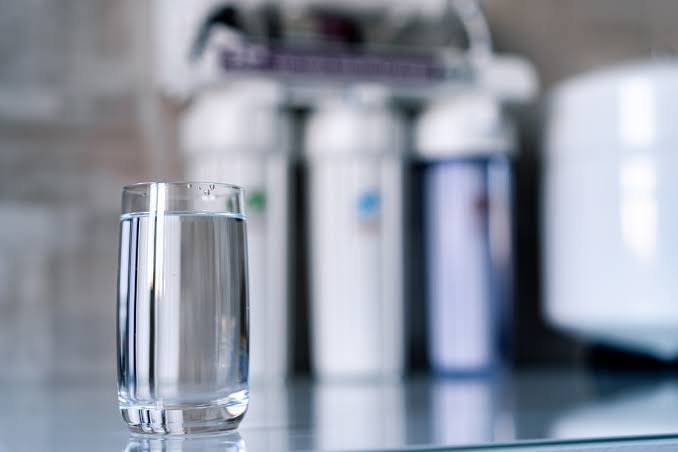
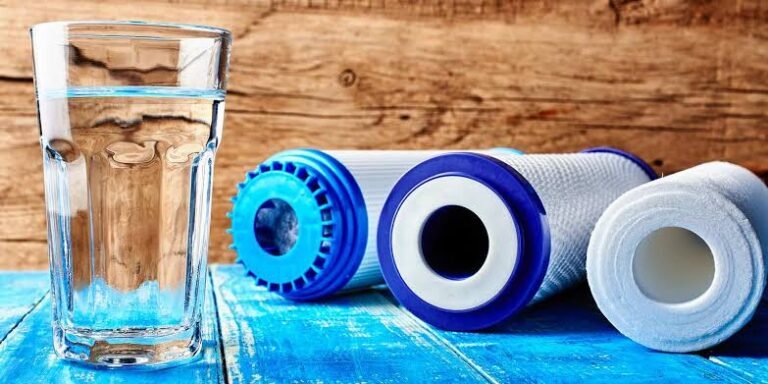
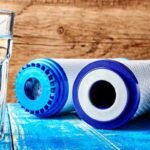
A good filter helps—especially a carbon filter or reverse osmosis system. But even the best filter can’t turn low-quality source water into a mountain spring.
Filtering Through the Noise (and the Faucets)
If you’re not ready to shell out for boutique bottled brands or deal with the environmental guilt of single-use plastic, home filtration is the way to go. The key? Know what you’re filtering out.
Start by checking your city’s annual water quality report. Then choose a filter that addresses those issues—chlorine, lead, sediment, whatever your neighborhood’s got going on. For folks in Southern California with harder water, systems that remove calcium and magnesium make a huge difference—not just for drinking, but for showers, laundry, and appliances.
You don’t have to spend a fortune. A solid countertop filter or under-sink unit can upgrade your daily hydration game and save money over time. Combine that with reusable bottles, and you’ve got the convenience of bottled water without the waste.
Water Is Personal — And Local
One of the things I love most about California is that you can drive a few hours and discover a completely different taste in the water. From the mountain-fed systems in Northern towns to the heavily engineered Southern pipelines, it’s a reminder that water isn’t just a utility. It’s part of the place, the culture, the vibe.
What you prefer might not be what your neighbor prefers. Some people like their water “minerally.” Others want it as neutral as possible. That’s the beauty of choice—and in California, choice is something we definitely don’t lack.
Final Thoughts: Don’t Just Drink Any Water—Drink Your Water
Whether you’re filling your glass from a kitchen faucet, grabbing a bottle on the go, or investing in a sleek filtration setup, the point is this: pay attention. Not all water is created equal, and your taste buds—and body—deserve better than “whatever comes out of the tap.”